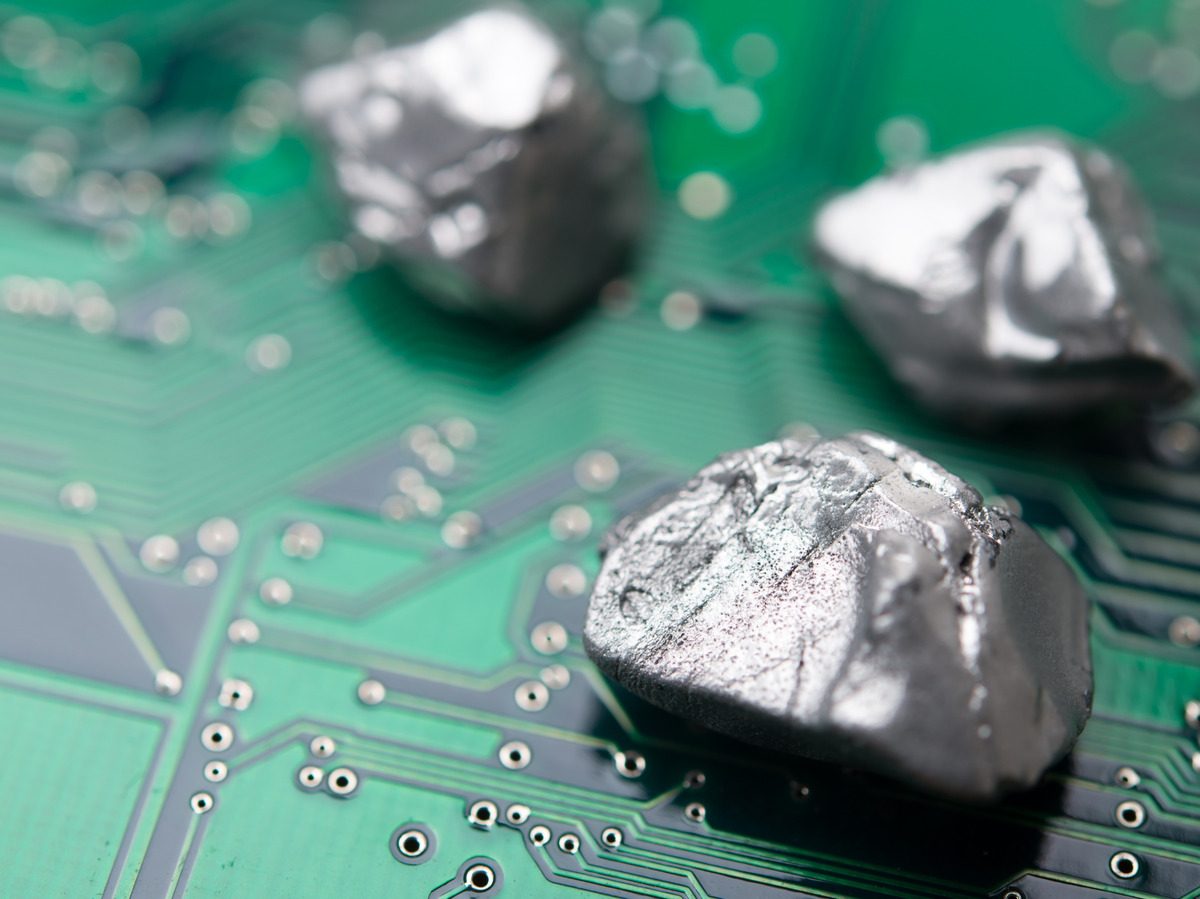

Rare earth elements (REE) are a group of 17 metallic elements that are increasingly important in the modern world. This importance is fueling an increasing global demand for these essential commodities. The figures speak for themselves: Worldwide REE production reached 390,000 metric tons in 2024 — nearly triple the level recorded in 2017. Currently, the vast majority of these important minerals are mined in China, which produced 69% of the total production in 2024.
Now, a new discovery by Canadian company Tsodilo Resources Limited could bring a new player into the market — Botswana. This is important, as much of the modern world relies on these elements. Technologies like wind turbines, telecommunication systems, the defense industry, and many high-tech consumer industries all rely on them, including in the rare earth magnets used in electric vehicles.
In an announcement, Tsodilo said that drilling at its Gcwihaba Metals Project identified high-grade mineralization at two exploration targets known as C26 and C27. The deposit, located at depths of between 20 and 50 meters (66 and 164 feet) below the surface, is located in what geologists call a skarn system — a type of metamorphic rock formation that’s been altered by hot and chemically active fluids like magma.
Company data indicates that the deposit contains all 15 REEs listed as critical by the U.S. Geological Survey, along with more common metals like copper, cobalt, nickel, and silver. The project remains in the exploration stage, with further drilling planned to define its full scale.
How rare are rare earths and why do they matter so much?
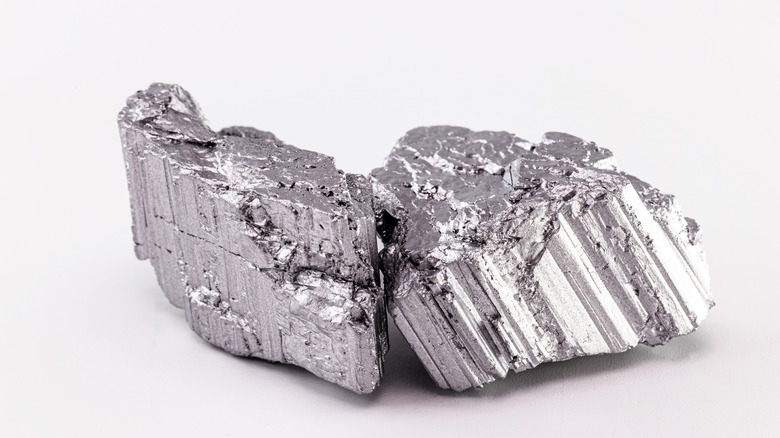
Despite the name, rare earths are not actually that rare. For instance, cerium — an element used in catalytic converters — is actually the planet’s 25th most abundant element. However, what is rare is finding REEs in high enough concentrations that mining becomes viable. The initial findings from the Gcwihaba sites suggest that this is one of these rare instances.
Some of these elements, including neodymium and praseodymium, are essential for producing high-strength permanent magnets. These are used in everything from electric motors to wind turbines, and from MRI scanners to audio speakers, including the neodymium drivers found in some of the best Bluetooth speakers.
Other REEs, such as dysprosium and terbium, are added to improve heat resistance in magnets. As an example, a typical neodymium-iron-boron magnet works effectively in temperatures up to 176 degrees Fahrenheit. Add a touch of dysprosium to the recipe, and you raise this threshold to 392 degrees Fahrenheit. Terbium can perform a similar trick, and it’s also essential in the production of semiconductors.
These are just tasters that demonstrate the importance of these metals. Recent figures from a report by Bloomberg Intelligence claims that despite a surge in REE production, supply will still struggle to meet demand, which is expected to grow by about 7% annum until 2030. It’s these figures, and a current reliance on a single country for the majority of our REEs, that have heightened the interest in this discovery.
A promising find but still early days
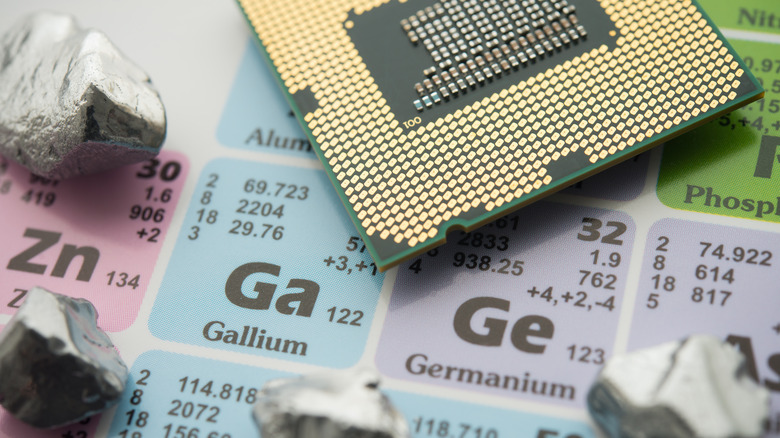
Despite the announcement, the Gcwihaba project is still in the exploration stage. Tsodilo has outlined a conceptual exploration target based on drilling at the C26 and C27 zones, but it hasn’t yet published a compliant mineral resource estimate. Further drilling is planned to better define the size, grade, and economic viability of the project.
Even if additional studies confirm the presence of a viable REE resource, we are unlikely to see Botswanan dysprosium anytime soon. Factors like environmental assessments, permitting, infrastructure development, and financing all add time and complexity. Then there’s the processing to consider. As noted, China accounts for about 69% of the world’s REE production. However, when it comes to the separation and processing these minerals, China accounts for about 90% of the figure.
Still, Botswana’s reputation as one of Africa’s more mining-friendly countries could work in the project’s favor. The country has already got a thriving diamond mining industry — it’s the world’s second biggest producer of the gem — but recent market uncertainties have seen it look to diversify.
While the discovery does not immediately alter the global REE balance, it represents another potential source at a time when governments and technology companies are actively looking to reduce supply chain risk and ease the potential threat of China grinding worldwide car production to a halt.