The Middle East conflict is set to weigh on the already “hugely tight” market for niche metals used in defence industries, as low stocks and soaring prices raise the risk of shortages.
The price of tungsten, used in electronics and aerospace, has jumped by almost 40 per cent in the two weeks since the conflict started, while germanium, used in military thermal imaging systems, has risen nearly 10 per cent, according to data company Argus Media.
Tungsten and germanium are used in relatively small quantities but are vital in the production of military equipment. Companies do not typically hold large stocks of the metals and face the risk of being unable to obtain them even if they will pay higher prices.
Traders said the bigger volumes sought by buyers were not readily available as the defence metals market had been squeezed by China’s moves last year to reduce exports of many of the metals, just as governments were boosting military spending and stockpiling munitions.
Defence sector demand for germanium was “rising rapidly”, said Christian Hell from trading house Tradium. “There is panic rising . . . [companies] don’t care about the price, they just care about availability,” he added.
Western defence companies are seeking to secure long-term access to supplies of key raw materials and reduce their dependence on China.
France’s Thales said it was working to ensure it had access to sufficient supplies of critical raw materials, including germanium.
“It is a question of concern,” said Hervé Dammann, who heads land and air systems at the defence technology group, adding that it was “putting a lot of attention” on securing “our supplies [for] today and in the very long term regarding a number of those . . . materials, for example germanium”.
Dammann said prices were less of an issue. “We are not manufacturing a car where the impact on a cost base might be much higher.”

Defence accounts for about 10 per cent of tungsten demand and 20 per cent of germanium use, according to Argus. Speculators have also contributed to higher tungsten prices, which had already risen after a fall in mined supply in China, the price-reporting group said.
Traders said surging prices had changed the way the materials were transported. Freight, warehousing and insurance costs had also risen, partly on concerns about the risk of theft.
Hell said Tradium was increasingly splitting shipments into multiple deliveries because individual loads could only be insured up to a certain amount.
Analysts expect a drawn-out war to increase demand for defence metals as governments restock weapons, boosting demand for tungsten, germanium and rare earths.
“A longer-term conflict will severely deplete stocks of missiles and lead to increased demand for tungsten as the parties to the conflict seek to re-arm and replenish stocks,” said Cristina Belda from Argus.
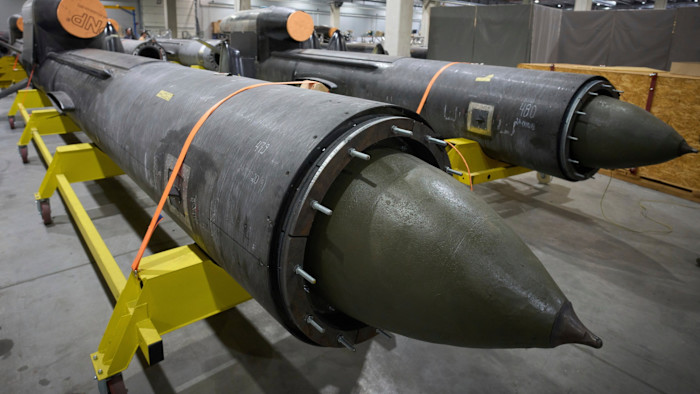
The Payne Institute for Public Policy estimated that the US and its allies consumed tens of thousands of kilogrammes of metals including tungsten, copper and titanium during the first 96 hours of the Iran war. Tomahawk and Patriot missiles were especially metal intensive, it found.
The defence sector is likely to be less sensitive to price rises than other industries because the materials are a relatively small part of the overall cost of producing munitions, and higher prices can be passed on to customers, analysts said.
Armin Papperger, chief executive of German arms company Rheinmetall, said he was confident the industry would be able to source enough supplies.
“We [don’t have] a big problem in this area because on the defence side the numbers you need on the rare earths side are much smaller than in other industries,” he said.
“It’s very easy if you need a small number, if you pay double the price, you always get the materials.”
But finding the material is a big concern for traders. One said they received “ridiculous enquiries not infrequently” for large volumes of germanium that were not possible to fulfil and constituted wishful thinking.