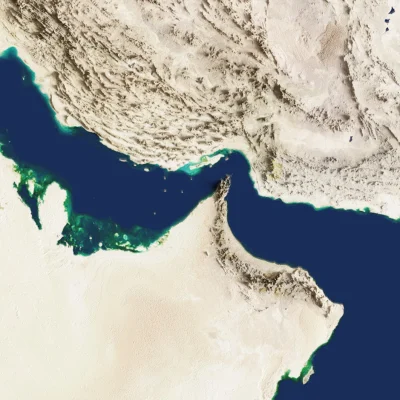

The conflict in Iran has sent shockwaves across the global energy market, with every closure (and opening, and closure) of the Strait of Hormuz disrupting critical supply lines of oil and gas.
Since the Iran-US-Israel war began, the spotlight has largely been on fuel prices. As of the end of March, just over three weeks after the conflict began, the RAC estimated that UK drivers had already paid an additional £307m at petrol station pumps. On 29 April, the BBC reported that Brent crude oil prices had reached another high for this month, rising nearly 7% in a day to $119 a barrel.
In response, countries like the UK are taking measures like decoupling the price of gas from electricity. Calls to lessen fossil fuel dependence around the world by accelerating domestic renewable energy generation have also amplified.
This premium content is available exclusively to edie Members.
New here? Learn more about the benefits of edie Membership.
Learn more Download brochure
Already a Member? Login here