New research conducted by residential energy data platform 257, in collaboration with the Smart Energy Consumer Collaborative (SECC), has revealed that homebuyers pay measurable premiums for homes with energy upgrades.
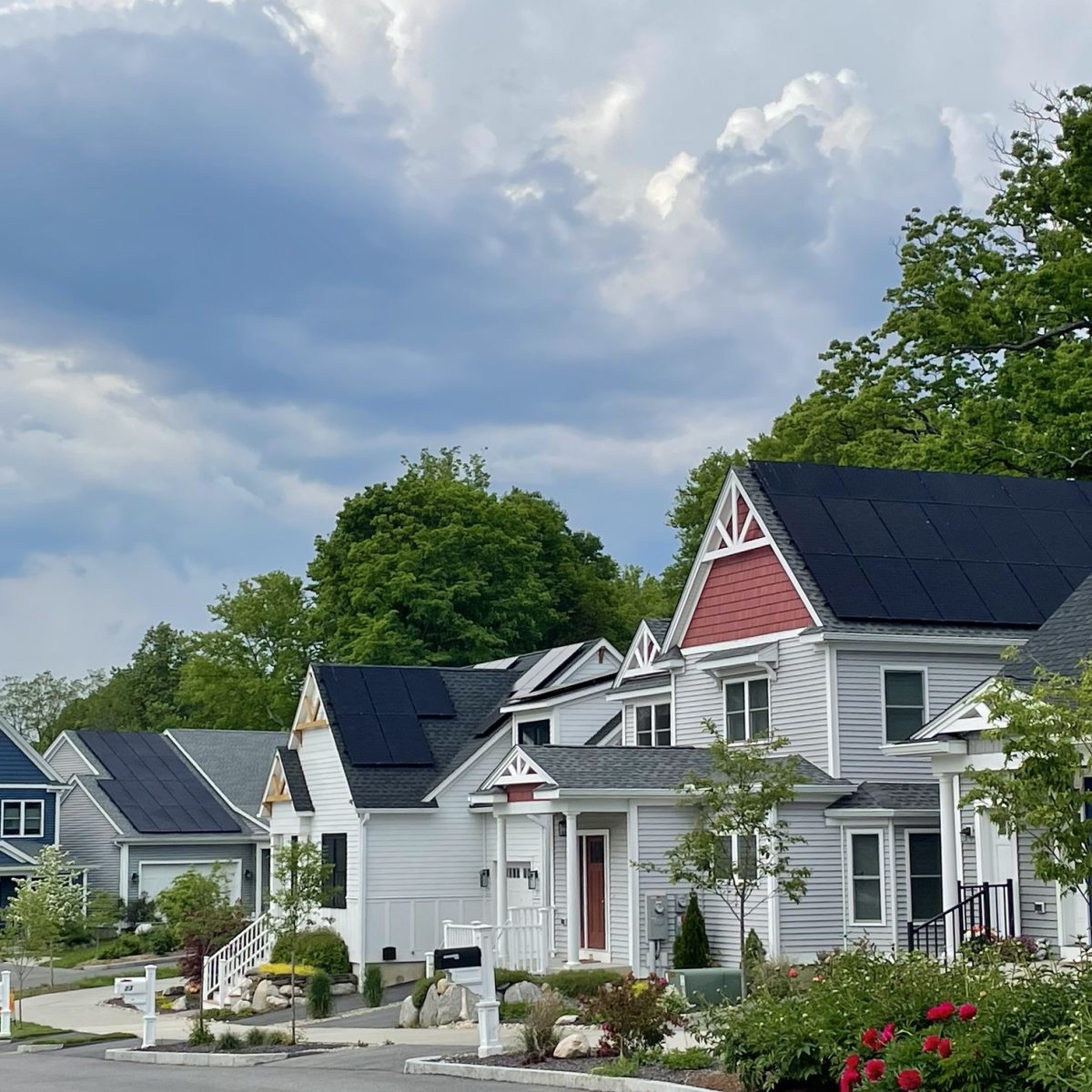
Specifically, the researchers found that home listings that explicitly mentioned rooftop solar panels sold for 2% higher than comparable homes, equating to a $10,000 premium, based on the median sales price of $557,000.
Listings that mentioned heat pumps were also associated with higher sale prices of between 0.6% and 1%, on average, resulting in price premiums of between $2,300 to $3,900 on homes with a median sales price of $399K.
Despite the findings of price premiums for energy upgrades, researchers found that only 8.3% of the 2025 home listings they surveyed mentioned energy-efficient assets. However, the share of listings mentioning energy efficiency upgrades nearly tripled between 2015 and 2025, suggesting that the practice represents a growing trend.
In total, the survey considered 143 million home listings nationwide from 1995-2025, but whittled the pool of homes used for the report down to those with solar and/or heat pumps sold between 2024 and 2025, analyzing the difference in sale prices between those that explicitly mentioned the upgrades and those that didn’t.
The findings are included in a new report from the SECC entitled “Home Buying in the Energy Transition,” which looks at broader trends in consumer interest in energy efficiency and clean energy technologies, including which information is readily available, how important those factors are to home buyers and whether real estate agents are able to promote those features and educate consumers through the listings and tours.
The report finds that, while consumers say they value energy efficiency, they are rarely presented with key information while evaluating prospective homes. Furthermore, while 84% of agents reported being somewhat or very familiar with energy efficiency, far fewer of them expressed confidence in being able to explain the benefits to consumers.

In addition to the disconnect between familiarity and confidence in explaining, the SECC data shows that agents and consumers differ greatly in the level of importance the role of energy efficiency plays in the home buying process.
While 84% of consumers reported energy efficiency being somewhat or very important, just 34% of Realtors said the same. In addition, 60% of agents said that “limited client interest” prevented them from discussing energy efficiency with their clients, suggesting a disconnect between what consumers believe and what agents understand about their desires