CR’s Dickerson says parents should remember that exposure to heavy metals doesn’t guarantee that a child will face health problems as a result, only that it increases that chance. If you are concerned about possible exposure, talk with your pediatrician about having your child tested.
It may not be possible to completely eliminate heavy metals from your food. But there are steps you can take to reduce the amount of heavy metals you and your children are exposed to, and to minimize some of the effects of heavy metals. “Just making changes now will go a long way to protecting your children, regardless of any prior exposure,” Dickerson says. These tips will help:
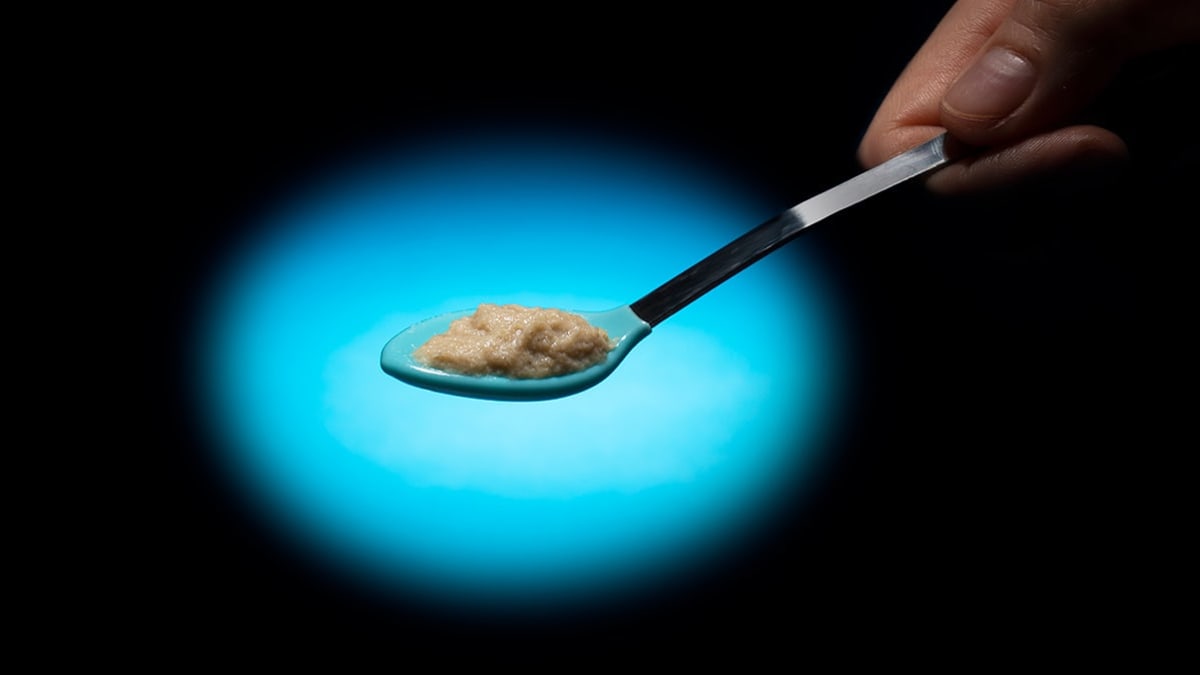
Limit the amount of infant rice cereal your child eats. Cereal is often a baby’s first solid food because it is easy to swallow, and it’s usually fortified with iron, an important nutrient for babies. But both the FDA and the American Academy of Pediatrics say that there’s no reason it must be rice cereal and that infants should be given a variety of cereals, noting concerns about levels of inorganic arsenic in those products. “Parents have other choices—there are iron-fortified cereals made from other whole grains, such as oats, that are lower in inorganic arsenic,” Rogers says.
Choose the right rice. In previous CR tests, brown rice had more inorganic arsenic than white rice of the same type. White basmati rice from California, India, and Pakistan, and sushi rice from the U.S., are good choices that had, on average, half as much inorganic arsenic as most other types. Rice cakes, cereal, and pasta were also high in inorganic arsenic.
Rethink rice prep. Cook it in a large amount of water—the FDA recommends 6 to 10 parts water to 1 part rice—and drain it well afterward. This will help reduce arsenic content.
Limit packaged snacks. Many contain rice flour, but even those without it don’t supply much nutritional value. “Even without the heavy metal risks, snack items aren’t a necessary part of your child’s diet, and they can have added sugars and sodium,” says Amy Keating, R.D., a nutritionist at Consumer Reports. The same goes for rice cakes, rice crackers, and chips that you and your child may eat.
Seek out whole foods low in heavy metals. Based on their review of the data from the Total Diet Study, our experts suggested a few easy-to-pack foods, suitable for snacking, that are very low in heavy metals: apples, applesauce (unsweetened), avocados, bananas, barley with diced vegetables, beans, cheese, grapes, hard-boiled eggs, peaches, strawberries, and yogurt.
Be wary of fruit juice. Past CR tests found inorganic arsenic and lead in many brands of apple and grape juices. In addition, all fruit juices are concentrated sources of sugars, and lack fiber. The American Academy of Pediatrics recommends not giving any fruit juice to babies in the first year of life, and limiting juice to 4 ounces a day for kids ages 1 to 3 years and 6 ounces for 4- to 6-year-olds, for nutritional reasons.
Go easy on the chocolate. Cocoa powder may contain cadmium and/or lead. Cocoa itself may have more than dark chocolate, and dark chocolate may have more than milk chocolate.
Pick the right fish. Bigeye tuna, king mackerel, orange roughy, shark, and swordfish are particularly high in methylmercury. Children and women of childbearing age should avoid these fish; others should eat them infrequently, if at all.
Take a pass on protein powders. These may contain arsenic, cadmium, and lead, according to tests from CR and others. Whey and egg-based powders tended to have less than plant-based ones—such as soy and hemp—but even they should be used in moderation. You probably don’t need them anyway. “The vast majority of people get plenty of protein from the foods they eat,” says Keating. “And when you get your protein from foods, you also benefit from all the other nutrients found in whole foods.”
Check your water. If you get your water from a well, or if your home has older pipes, consider having your water tested. Heavy metals sometimes seep into well water, and older pipes may have been made with lead.
Eat a broad array of healthful whole foods. Rotating the foods you eat may help you avoid overconsumption of heavy metals and provide a variety of nutrients that may help offset some of the damage heavy metals do to the body. These include calcium, iron, selenium, vitamin C, and zinc.