
© Olivier Le Moal / iStock via Getty Images
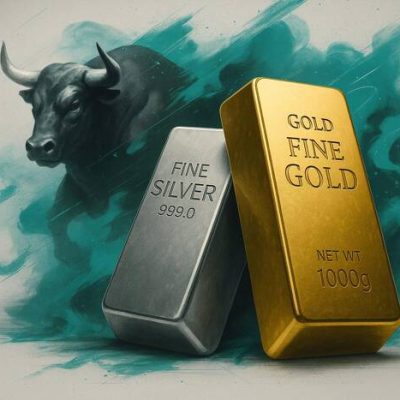
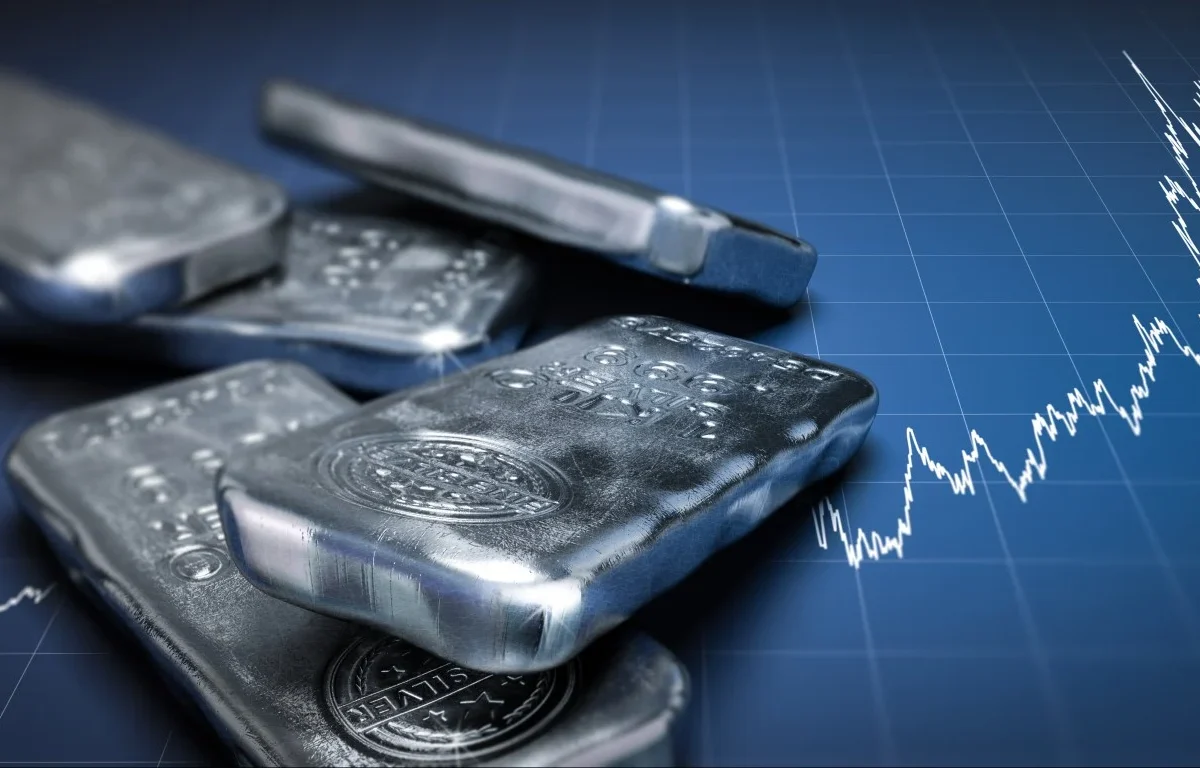
Silver bugs choosing a physical-bullion ETF almost always land on two tickers: iShares Silver Trust (NYSEARCA:SLV) and abrdn Physical Silver Shares ETF (NYSEARCA:SIVR). Both are grantor trusts holding LBMA-grade silver bars in London vaults at JPMorgan Chase. Both track spot silver almost tick for tick. Yet over a decade, one has quietly delivered a meaningfully larger return, while the other offers something the cheaper fund cannot: a liquidity moat deep enough to matter when silver gets volatile, like it has this month.
What each fund is really betting on
The strategies are identical on paper: hold bullion, charge a fee, issue shares against the vault. The implicit bet diverges in what the sponsor optimizes for. SLV, launched in 2006 by BlackRock’s iShares, is the institutional default. Its bet is on scale, options market depth, and tight spreads, which together justify a higher fee. SIVR, launched by ETF Securities in 2009 and now run by abrdn, makes the opposite bet: retail buy-and-hold investors will accept thinner liquidity in exchange for a lower expense drag.
That fee gap is the whole game. SLV charges roughly 0.50% annually; SIVR charges roughly 0.30%. Because neither fund generates income, expenses come out of the silver itself, with the trust selling small amounts of bullion each year to cover costs. Over long holds, that compounds into a tracking shortfall versus spot.
Where the difference shows up
You can see the drag in the long-run numbers. Over the past ten years, SLV returned 257.42% while SIVR returned 264.51%. Over five years, SLV is up 149.2% versus SIVR at 151.51%. Same silver, different fee, predictable spread.
In short windows, the funds are effectively identical. Year to date through June 18, 2026, SLV is down 7.62% and SIVR is down 7.53%, after a punishing one-month slide of roughly 11% in both. The one-year picture remains spectacular: SLV up 78.87%, SIVR up 79.18%, riding a CPI index that climbed to 333.979 in May 2026 from 321.435 a year earlier.
The practical comparison
| Factor | SLV | SIVR |
|---|---|---|
| Expense ratio | ~0.50% | ~0.30% |
| Launch year | 2006 | 2009 |
| Sponsor | BlackRock / iShares | abrdn |
| Custodian | JPMorgan Chase, London vaults | |
| Options market | Deep, tight spreads | Thin, wider spreads |
| Tax treatment | Collectible, max 28% LTCG | |
| 10-year return | 257.42% | 264.51% |
Tax treatment is identical and worth flagging: the IRS classifies physical-metal grantor trusts as collectibles, capping long-term capital gains at 28% rather than the usual 20%. Neither structure escapes that.
The verdict
For a buy-and-hold investor sizing a multi-year silver allocation in a taxable or retirement account, SIVR’s lower expense structure has historically translated into a wider bullion claim per share. The lower fee compounds directly into a wider bullion claim per share, and the ten-year return spread proves it. For traders and options writers who need to move size quickly, SLV’s liquidity depth is where its higher fee shows its utility. What would flip the call? A sustained narrowing of SLV’s expense ratio toward SIVR’s, or a liquidity event in SIVR that exposes its thinner book. Until then, the cost-conscious structural case continues to favor SIVR on the math.