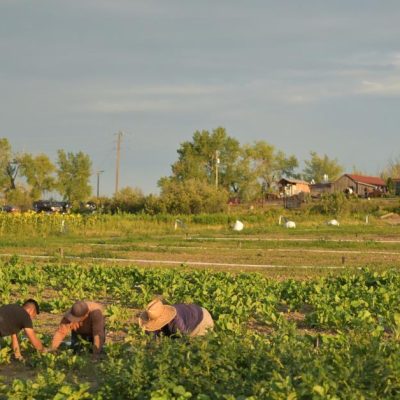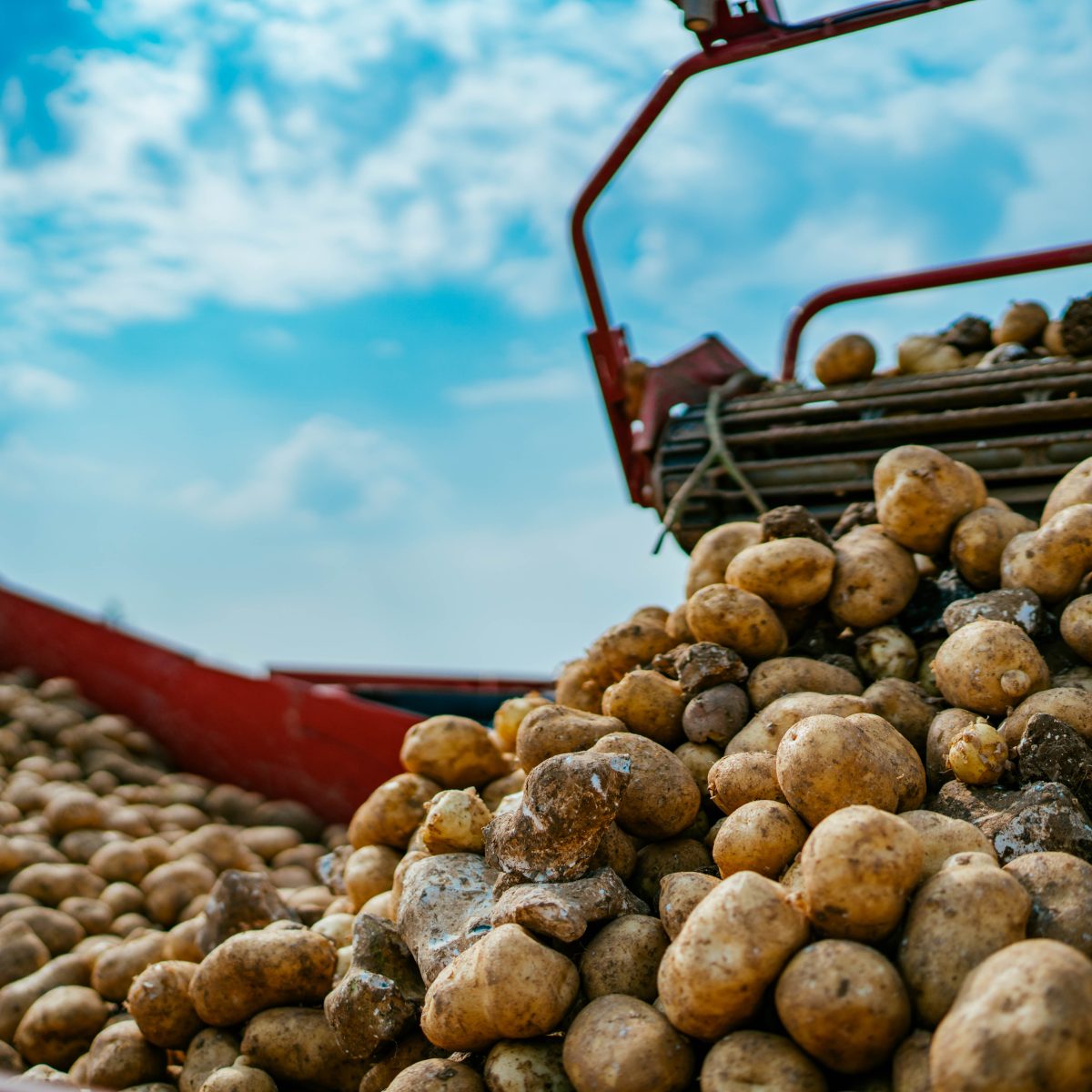

Agriculture sits at the intersection of climate change, food security and long-term food production. It is both vulnerable to the impacts of climate change and a critical part of the solution. Across farming communities worldwide, increasingly volatile weather patterns are already affecting crop yields, quality and predictability, creating significant challenges for food production and supply chains.
The role of regenerative agriculture in addressing these challenges is increasingly well understood. Regenerative farming practices can help improve soil health, strengthen biodiversity, increase resilience to extreme weather and support more stable yields over time.
At McCain, we are committed to transitioning 100% of the acreage used to grow our potatoes to regenerative agriculture by 2030. Through initiatives such as Farm of the Future, we are working alongside more than 4,400 growers globally to scale and de-risk this transition to more resilient farming systems.
But while significant progress is being made on farms, one challenge remains largely overlooked: consumer understanding.
A growing gap between progress and public understanding
Across the agricultural sector, there is growing recognition of the potential benefits regenerative practices can deliver on farms. Yet public awareness and understanding have not kept pace.
Research shows that only 1 in 10 consumers say they understand regenerative agriculture, while 25% are unfamiliar with the concept altogether. At the same time, the research shows that many consumers (more than half) want to learn more about farming or regenerative agriculture but feel they don’t know how their individual choices make a difference in their daily lives.
This disconnect matters. The long-term success of regenerative agriculture will not depend solely on what happens in the field. It will also depend on whether people understand how food is produced and the role regenerative agriculture can play in supporting resilient agricultural systems.
McCain’s inaugural Spud Report highlights just how emotionally connected people are to the food they eat. That connection presents a powerful opportunity to strengthen understanding of where food comes from.
Closing the gap between progress and public understanding can help build broader awareness of regenerative agriculture and strengthen understanding of how farming practices contribute to resilient food production.
Making Regenerative Agriculture Relevant
Bridging this gap requires making regenerative agriculture more visible, relatable and accessible.
Brands have a role to play in translating complex farming practices into stories and experiences that resonate with consumers.
At McCain Foods, we are exploring new ways to bring regenerative agriculture closer to everyday audiences.
Our recent ‘Peel or No Peel’ ‘edutainment’ campaign is one example of how this is being put into practice. Set on a McCain farm in Shropshire, and built around a familiar game show format, it was designed to engage audiences in conversations about farming practices. By partnering with social media creators and a McCain farmer, the campaign helped spotlight topics such as cover crops and reduced tillage in a way that was both engaging and educational. Importantly, farmers remained at the centre of the story.
Alongside this, products such as our ‘Regen Fries’ provide another way to engage consumers in conversations about regenerative agriculture and the farmers helping drive the transition. In the UK, for instance, we’ve launched a limited-edition Regen Naked Oven Chip, available exclusively at Tesco, made using potatoes from farmers who are actively implementing regenerative practices through our framework. By bringing these products to shelves, we’re helping make regenerative agriculture more visible and tangible in everyday food choices.
These efforts build on earlier campaigns such as Taste Good. Feel Good. And our Farms of the Future AR game designed to make farming practices more visible and accessible to everyday audiences.
Together, these initiatives reflect a broader ambition: ensuring regenerative agriculture is not simply something happening behind the scenes, but something consumers can see, understand and learn more about.
From Ambition to Action
The future of resilient food systems will be shaped not only by how we produce food, but also by how people engage with and understand the food they eat.
That means continuing to invest in regenerative practices and supporting farmers through the transition. But it also means ensuring those efforts are visible, understood and valued beyond the farm gate.
The challenge for our industry is not simply to scale regenerative agriculture. It is also to help people better understand the role they can play in supporting more resilient agricultural systems.
Regenerative agriculture may start in the soil, but its long-term success depends on something much broader: strengthening the connection between the farm and the fork.
[3] Regen Fries You Gov Survey (2025)
Charlie Angelakos is vice president, global external affairs & sustainability at McCain Foods.