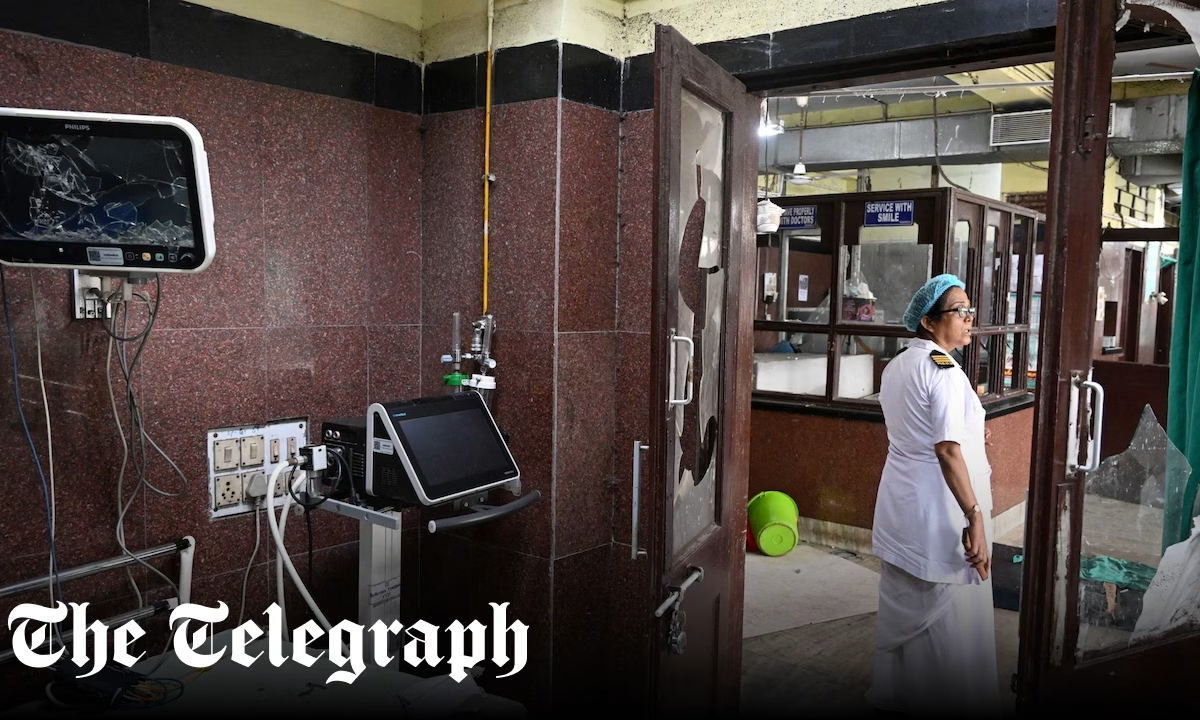
A hospital pharmacist at a leading cancer centre in Mumbai, who requested anonymity because they were not authorised to speak publicly, said procurement teams had to closely monitor inventories during the shortage.
“Supplies became tighter and hospitals had to keep a close watch on stock levels to ensure chemotherapy schedules were not disrupted. Any interruption in the availability of these medicines can have significant implications for patient care,” the pharmacist said.
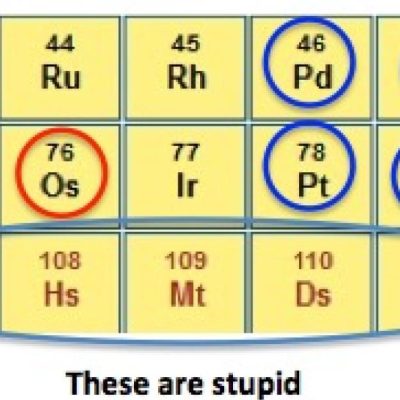
Dr Waseem, consultant medical oncologist at Amandeep Hospital, Srinagar, said platinum compounds possess a unique chemical structure that makes them indispensable in cancer treatment.
“Platinum has variable oxidation states and forms square planar complexes, a geometry that allows these compounds to bind with DNA and form cross-links. This prevents cancer cells from replicating and ultimately leads to cell death,” he said.
According to Dr Waseem, nearly 20 per cent of cancer patients worldwide depend on platinum-based chemotherapy.
“Global shortages have already affected treatment schedules in several regions. Delays in chemotherapy cycles can allow the disease to progress, particularly in patients receiving curative treatment. At present, there are no equally effective alternatives to platinum-based chemotherapy for many cancers, which makes uninterrupted availability essential,” he added.
The problem is not unique to India. Severe shortages of cisplatin and carboplatin affected hospitals across the United States in 2023, forcing some cancer centres to ration supplies, prioritise patients and modify treatment schedules.
Similar concerns have periodically emerged in Europe and other regions as manufacturers struggle with supply-chain disruptions and fluctuating raw material costs. Although production has since improved, oncologists say platinum-based chemotherapy remains vulnerable to global supply shocks.
For oncologists, pharmacists and policymakers, the platinum shortage was a warning that the supply chains behind modern medicine are far more fragile than they appear. A disruption in a distant commodity market can quickly travel through factories, shipping lanes and hospitals before reaching the bedside of a patient awaiting treatment.
The immediate crisis may have eased, but the episode has highlighted a difficult reality: some of the world’s most essential medicines depend on materials whose availability is shaped by forces far beyond the control of doctors or patients.
For people like Riyaz Khan, the shortage was never about platinum prices, shipping costs or global trade routes. It was about whether the next dose of chemotherapy would arrive on time. And in cancer care, where every cycle can influence the outcome, that uncertainty can be as frightening as the disease itself.
Protect yourself and your family by learning more about Global Health Security