Rodion Ksonzenko, founder and CEO of Magnat family DMCC, Magnat fine jewelry & Seed jewelry.

For generations, wealth preservation followed a familiar formula.
Investors allocated capital among stocks, bonds, cash and real estate. These asset classes became the foundation of modern portfolio construction and wealth management strategies around the world.
Yet over the past decade, a growing number of high-net-worth individuals have begun expanding their definition of diversification.
The reason is simple: The world has changed.
Geopolitical uncertainty, inflationary pressures, currency fluctuations, increasing government debt and rapid technological disruption have forced investors to rethink how wealth should be preserved across generations.
As a result, alternative assets are attracting unprecedented attention. This trend is not driven by speculation. It is driven by a search for resilience.
When investors discuss alternative assets, they often think about private equity, hedge funds or venture capital. While these categories continue to grow, another segment is quietly gaining momentum: tangible stores of value.
These include rare diamonds, colored gemstones, precious metals, fine art, collectibles, luxury watches, classic automobiles and other assets with characteristics that extend beyond traditional financial markets.
At first glance, these assets may appear unconventional. However, the logic behind them is surprisingly straightforward. Many investors are not attempting to maximize returns; they are attempting to preserve purchasing power. This distinction is becoming increasingly important.
Periods of economic uncertainty often expose vulnerabilities within traditional portfolios. Public markets can experience significant volatility. Real estate cycles can shift. Currency values can fluctuate unexpectedly.
In such environments, investors frequently seek assets whose value is not entirely dependent on financial market sentiment. This is where tangible assets become attractive.
Unlike financial instruments, tangible assets possess intrinsic characteristics that contribute to value.
• A rare colored diamond remains rare regardless of market conditions.
• A museum-quality artwork does not become less scarce because stock prices decline.
• A unique gemstone cannot be reproduced through monetary policy decisions.
Scarcity creates resilience.
This does not mean alternative assets are risk-free. Every asset class contains risks, including liquidity constraints, valuation challenges, storage requirements and market fluctuations.
However, wealthy investors often view these risks differently. Rather than seeking maximum liquidity, they focus on long-term preservation. The goal is not necessarily to outperform public markets every year.
The goal is to maintain purchasing power across decades. This perspective becomes particularly relevant when examining generational wealth. Families that think in terms of decades rather than quarters often prioritize assets capable of surviving economic cycles.
Historically, some of the world’s wealthiest families accumulated significant holdings in tangible assets alongside traditional investments.
The rationale remains relevant today.
Another factor contributing to the growth of alternative assets is globalization. The number of affluent individuals worldwide continues to expand. Emerging markets are producing new generations of entrepreneurs, investors and business owners.
As wealth grows globally, demand for rare and limited assets naturally increases. Scarcity becomes more valuable when more people compete for limited supply.
The diamond market provides an interesting example. Most discussions about diamonds focus on jewelry. However, exceptional diamonds occupy a different category altogether.
Certain stones possess characteristics that combine rarity, portability, durability and global recognition. Unlike many physical assets, high-value diamonds can store significant wealth within an extremely compact form. This characteristic has historically attracted interest during periods of geopolitical uncertainty.
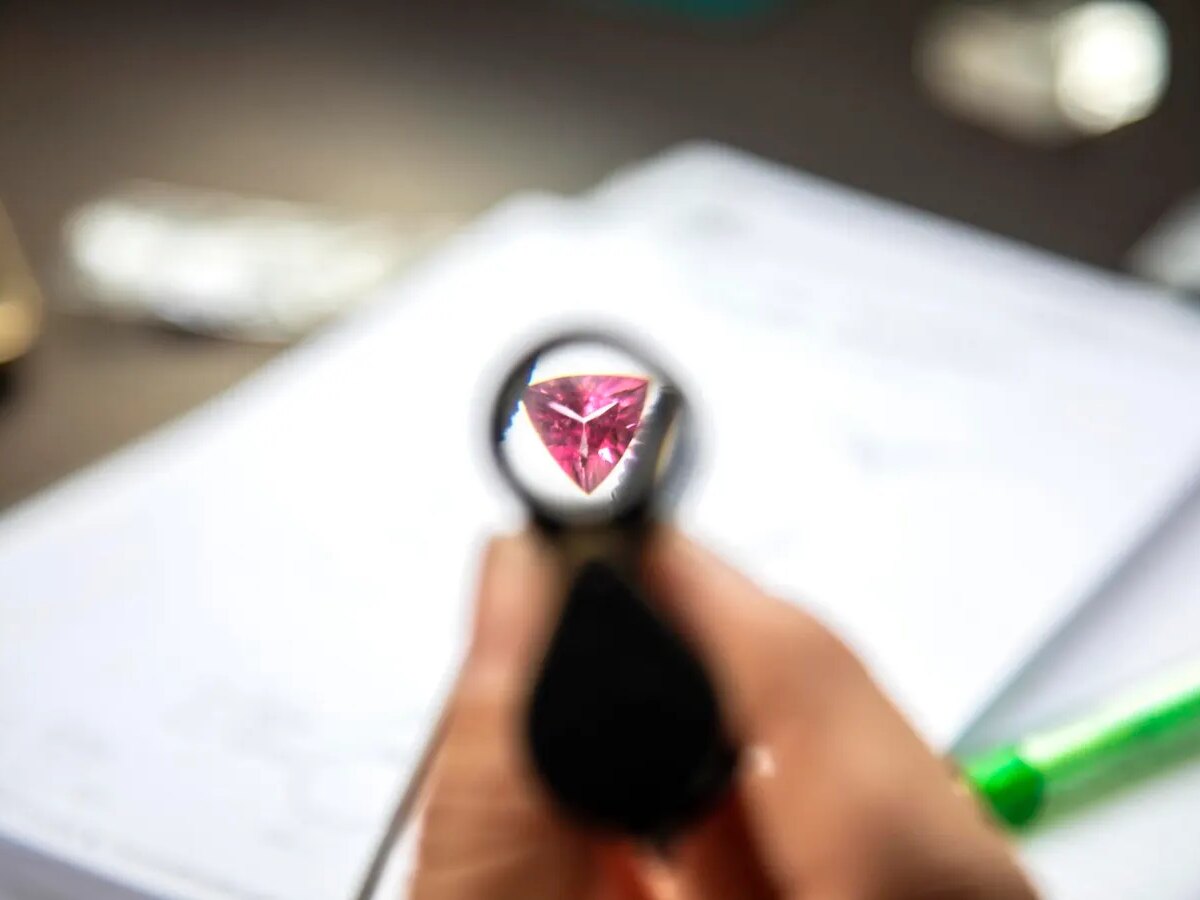
Colored gemstones demonstrate similar dynamics. Exceptional rubies, sapphires and emeralds are becoming increasingly difficult to source at the highest quality levels. As supply remains constrained and global demand expands, these assets continue attracting attention from collectors and investors alike.
Gold represents another example. Despite centuries of technological advancement, gold remains one of the world’s most recognized stores of value. Its continued relevance demonstrates an important principle.
Innovation does not eliminate the need for wealth preservation. It often reinforces it.
Technology is also transforming alternative asset markets. Improved certification systems, digital marketplaces, blockchain verification and advanced authentication methods are increasing transparency and accessibility.
Historically, expertise served as a significant barrier to entry. Today, investors can access information more efficiently than ever before. This trend is helping alternative assets evolve from niche markets into more institutionalized asset classes.
Perhaps the most interesting development involves investor psychology.
Modern wealth creation often occurs through digital businesses, financial assets and technology companies. Yet many investors who accumulate wealth digitally seek diversification through physical assets.
There is comfort in owning something tangible. Something finite. Something that cannot be replicated with a software update. This psychological component should not be underestimated.
Wealth preservation is not purely mathematical. It is also emotional. Investors want confidence that a portion of their wealth exists outside systems they cannot fully control. Alternative assets help satisfy this need.
Looking forward, the importance of diversification is unlikely to diminish. If anything, increasing uncertainty may accelerate interest in tangible stores of value. Stocks will remain essential. Real estate will continue playing a critical role.
However, investors are increasingly recognizing that wealth preservation does not require choosing one category over another. It requires understanding how different assets complement one another.
The future of portfolio construction may therefore be less about replacing traditional assets and more about expanding the definition of diversification itself.
In that future, alternative assets will not be viewed as curiosities. They will be recognized as strategic components of long-term wealth preservation. And for many wealthy investors, that transition is already underway.
The information provided here is not investment, tax or financial advice. You should consult with a licensed professional for advice concerning your specific situation.
Forbes Business Council is the foremost growth and networking organization for business owners and leaders. Do I qualify?