Quick Read
-
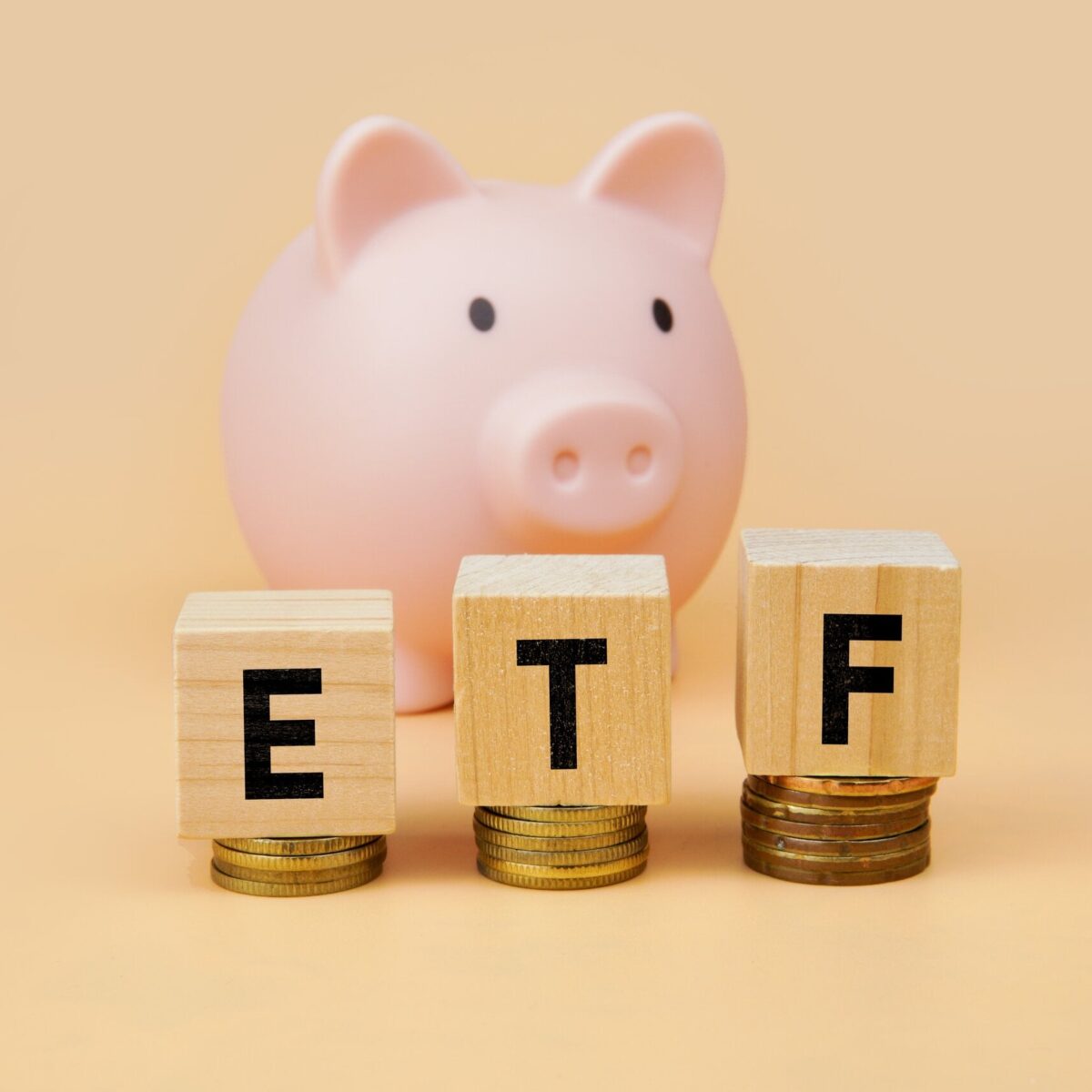
Retirees increasingly favor income ETFs over individual dividend stocks, cutting concentration risk and eliminating the burden of tracking 15 to 20 holdings.
-
SCHD charges just 0.06% annually, which works out to $180 per year on a $300,000 position, while providing professional dividend screening and automatic rebalancing.
-
Many retirees pair a core income ETF with a smaller high-conviction stock allocation, capturing both portfolio stability and targeted individual upside.
For decades, the classic image of a dividend investor was someone who owned a carefully assembled collection of individual stocks: maybe 15 or 20 blue-chip names that had been chosen for their yield, history, and staying power.
To be fair, this approach still has plenty of fans, but what has changed is that a growing number of retirees are deciding the effort, concentration risk, and the ongoing monitoring required to run an individual stock portfolio no longer make sense when low-cost income ETFs can do most of the same work at a fraction of the cost and complexity.
The shift here isn’t about chasing returns either. Instead, it’s about recognizing that the job of a retirement portfolio is to generate reliable income and preserve capital without requiring the kind of active attention that made sense during accumulation but becomes a burden in retirement.
The Single-Stock Risk Problem
Individual dividend stocks carry a specific risk that is easy to underestimate until it materializes. A company that has paid a rising dividend for 20 consecutive years can still cut it. Pharmaceutical companies face patent cliffs, and banks can face regulatory requirements.
The same goes for energy companies that face different commodity cycles, so when a company cuts its dividend, the stock price typically drops at the same time, hitting both the income stream for retirees and the value of their portfolios simultaneously.
Don’t wait: the analyst who called NVIDIA in 2010 just revealed his top 10 AI stocks. See the full list FREE now.
A retiree who holds 15 individual stocks and one cuts its dividend has long had a meaningful portion of their income from a single boardroom decision they had no visibility into. An ETF holding 100 or more screened positions absorbs that same event without material disruption to the overall distribution. In a concentrated individual portfolio, that cut can be the difference between covering monthly expenses and coming up short.
What the Cost Argument Actually Means
The expense ratio gap between individual stock ownership and a professionally managed ETF is not always obvious until the math is applied. Holding individual stocks directly has no annual management fee, which sounds like an advantage.
The real cost of an individual stock portfolio is the time required to monitor it, the research needed to evaluate each holding annually, and the risk premium that comes from accepting concentrated exposure.
Low-cost income ETFs like the Schwab US Dividend Equity ETF (NYSE:SCHD) charge around 0.06% in annual expenses. On a $300,000 position, that is only $180 per year, and for that fee, the fund screens, rebalances, and maintains a diversified portfolio of dividend-paying companies with a track record of consistent payments and financial health.
The math here is not really about expense ratios versus zero fees. Instead, it’s more about what a retiree is actually getting in exchange for their time and risk tolerance.
Built-In Screening Replaces Individual Research
One of the structural advantages of dividend-focused ETFs that rarely gets enough attention is the screening criteria built into the fund’s methodology. Many of the most popular income ETFs require constituent companies to have maintained or grown their dividends for a minimum number of consecutive years.
The same can be said for meeting cash flow and debt thresholds, as well as passing financial quality filters that would help eliminate high-yield traps before they get anywhere near a retiree’s portfolio.
A retiree building an individual stock portfolio has to replicate that research process themselves, or rely on picks that may not have been evaluated with the same rigor. Screening for dividend sustainability, payout ratios, balance sheet strength, and earnings coverage across a dozen or more individual names requires meaningful time and financial literacy. An ETF does this continuously as part of its regular rebalancing process.
The Practical Reality of Retirement
There is also a less quantifiable dimension worth naming directly. Managing an individual stock portfolio requires ongoing attention at a time when many retirees are not looking to spend their days reading earnings reports.
A portfolio of 15 to 20 individual positions means tracking 15 to 20 quarterly earnings cycles, monitoring for credit rating changes, evaluating dividend announcements, and deciding whether a struggling holding should be held or replaced.
An income ETF requires none of that. The investor sets their position, monitors the overall yield and distribution history, and redirects their attention to the parts of retirement they actually wanted retirement for.
When Individual Stocks Still Make Sense
None of this means individual dividend stocks are the wrong choice for every retiree. Investors who enjoy the research process, have the financial background to evaluate company fundamentals, and want to customize their income sources at the company level have legitimate reasons to maintain individual positions. Larger portfolios can also support the diversification needed to make individual stock ownership less risky.
Better yet, the two approaches are not mutually exclusive. Many retirees pair a core income ETF with a smaller allocation to individual names they have high conviction in, getting the diversification and stability of the fund alongside the upside potential of their best individual ideas.
The broader trend toward ETFs among retirement investors reflects a practical realization: for the majority of retirees, a low-cost, well-screened income ETF delivers most of the income benefit of individual dividend investing without the concentration risk, the research burden, or the anxiety that comes with watching a single holding decide whether or not to keep the payments coming.
Don’t wait: the analyst who called NVIDIA in 2010 just revealed his top 10 AI stocks. See the full list FREE now.
Contact editorial@247wallst.com for any questions or corrections.