Quick Overview
- NYSE and Nasdaq suspend operations on September 7 (Monday) for Labor Day, resuming normal trading hours at 9:30 a.m. ET on September 8
- Bond markets and OTC trading platforms across the United States observe the federal holiday closure
- Canada’s Toronto Stock Exchange joins the closure, while exchanges in London, Shanghai, and Hong Kong maintain regular operations
- Cryptocurrency trading platforms remain operational around the clock without holiday interruptions
- August 2026 saw the S&P 500 climb 2.6%, though September historically brings market weakness with an average 2.7% decline over five years
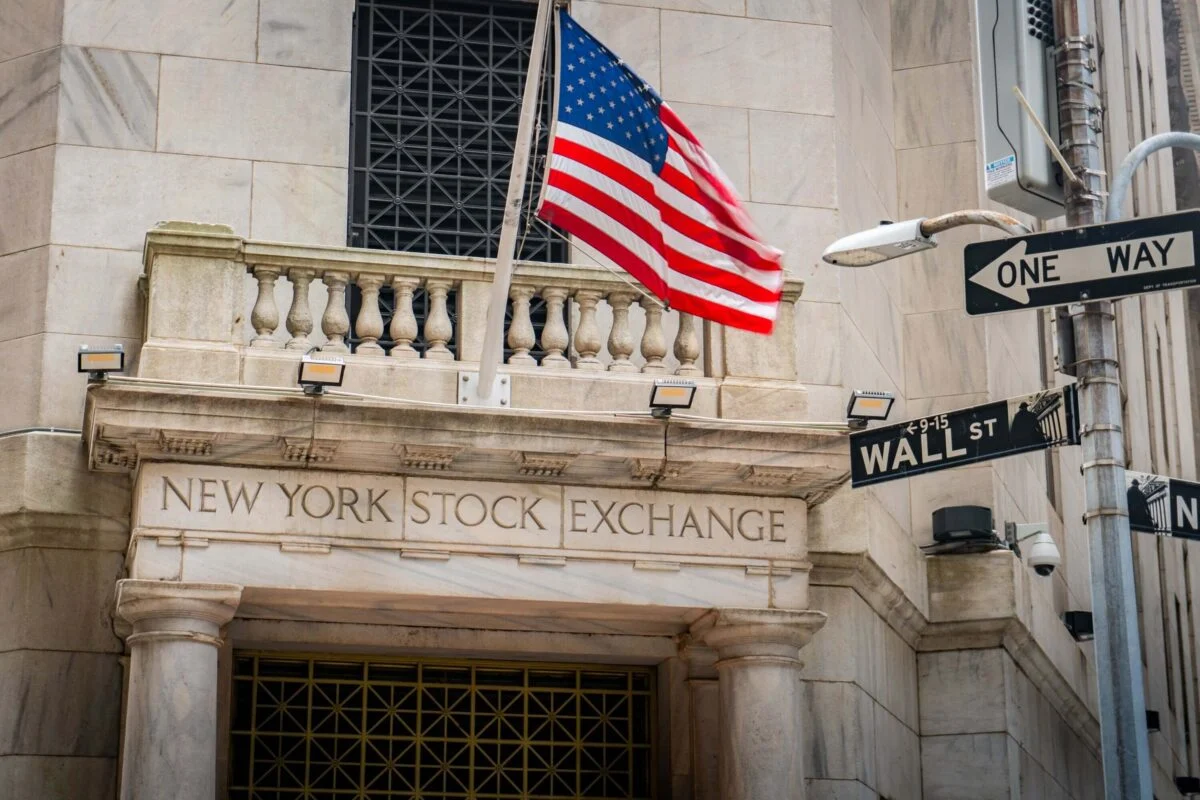
Major US equity exchanges will not operate on Monday, September 7, in observance of Labor Day. The New York Stock Exchange and Nasdaq will resume standard trading sessions at 9:30 a.m. Eastern Time on the following Tuesday, September 8.
Fixed-income markets throughout the United States, along with over-the-counter trading venues, will similarly suspend activity for this federal holiday. Normal operating schedules resume across all platforms on Tuesday.
Global Exchange Status During US Holiday
While American markets pause, trading activity varies internationally. Canada’s Toronto Stock Exchange mirrors the US closure for Labour Day. However, several major international venues continue normal operations: London Stock Exchange, Shanghai Stock Exchange, and Hong Kong’s Stock Exchange all welcome traders today.
Major American banking institutions—including Wells Fargo, JPMorgan Chase, Capital One, and Bank of America—close their branch locations for the holiday. Digital banking platforms and automated teller machines continue functioning as normal.
Package delivery services from FedEx and UPS have paused standard residential and commercial deliveries. Both companies maintain limited express and time-sensitive delivery options for critical shipments.
Cryptocurrency Markets Continue Uninterrupted
Digital asset markets operate independently of traditional holiday calendars. Cryptocurrencies trade through decentralized blockchain networks without reliance on centralized exchanges bound by holiday schedules. This infrastructure enables continuous trading capabilities every day of the year, including federal holidays.
August 2026 delivered positive returns for equity investors, with the S&P 500 recording a 2.6% monthly gain. This performance significantly exceeded the index’s five-year August average of 0.2% and its ten-year average increase of 0.9%.
Historical patterns suggest caution ahead, however. September has proven challenging for stocks over recent years. The S&P 500 has declined by an average of 2.7% during September over the trailing five-year period, with the ten-year average showing a 1.3% monthly decrease.
Treasury yields climbed through the summer months, driven by escalating oil prices, anticipated central bank tightening, and growing concerns about fiscal deficits. These dynamics have rekindled investor worries about the traditional September market weakness that has become an annual Wall Street concern.
The 2026 market surge, powered largely by enthusiasm surrounding artificial intelligence developments, propelled the S&P 500 to significant gains earlier in the year. Recent months have seen those advances erode as elevated financing costs weigh on valuations.
Recent trading sessions have proven challenging for market participants. The Labor Day intermission offers a brief respite before exchanges resume full operations on Tuesday morning.
Throughout 2026, the New York Stock Exchange and Nasdaq observe ten designated market holidays, which includes two abbreviated trading sessions: the Friday following Thanksgiving and December 24.
The Labor Day federal holiday traces its origins to 1894, when it was established through legislation signed by President Grover Cleveland.