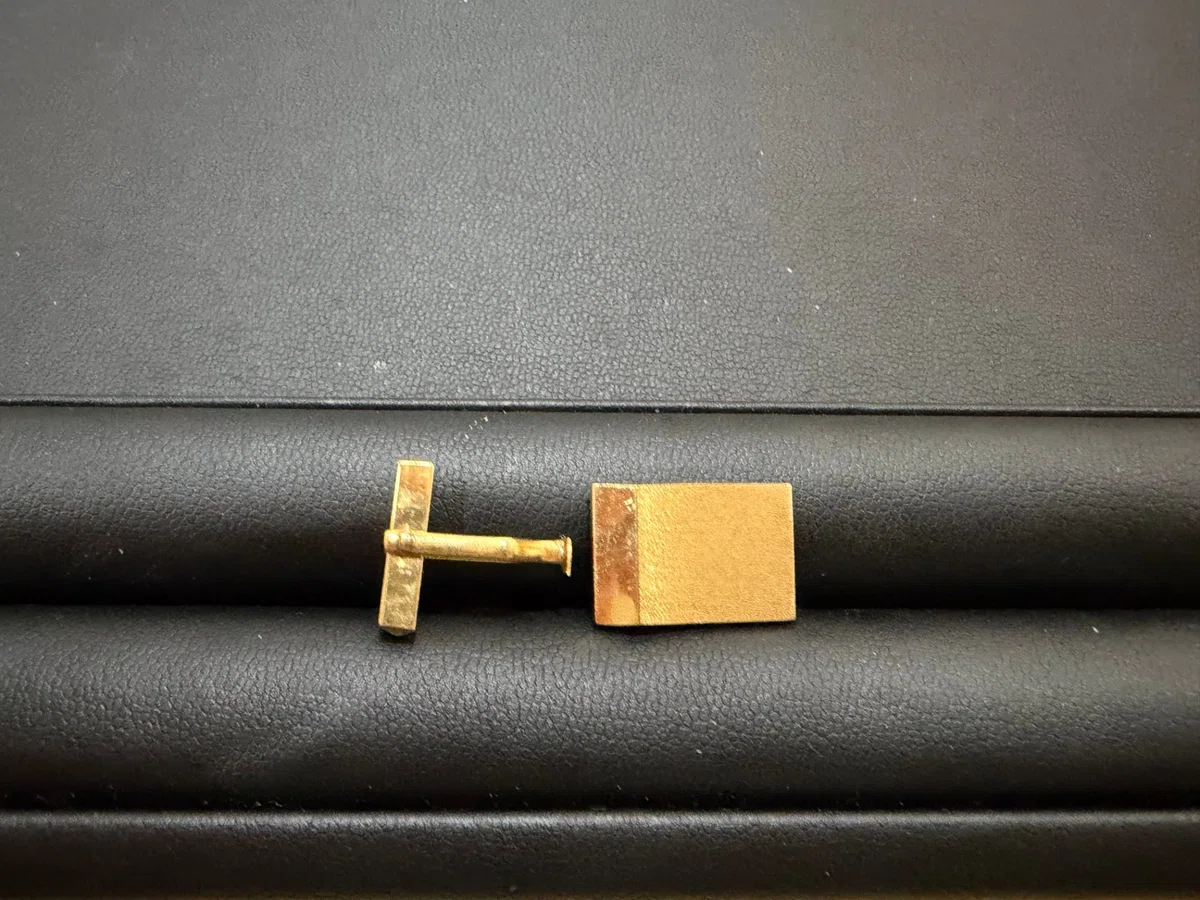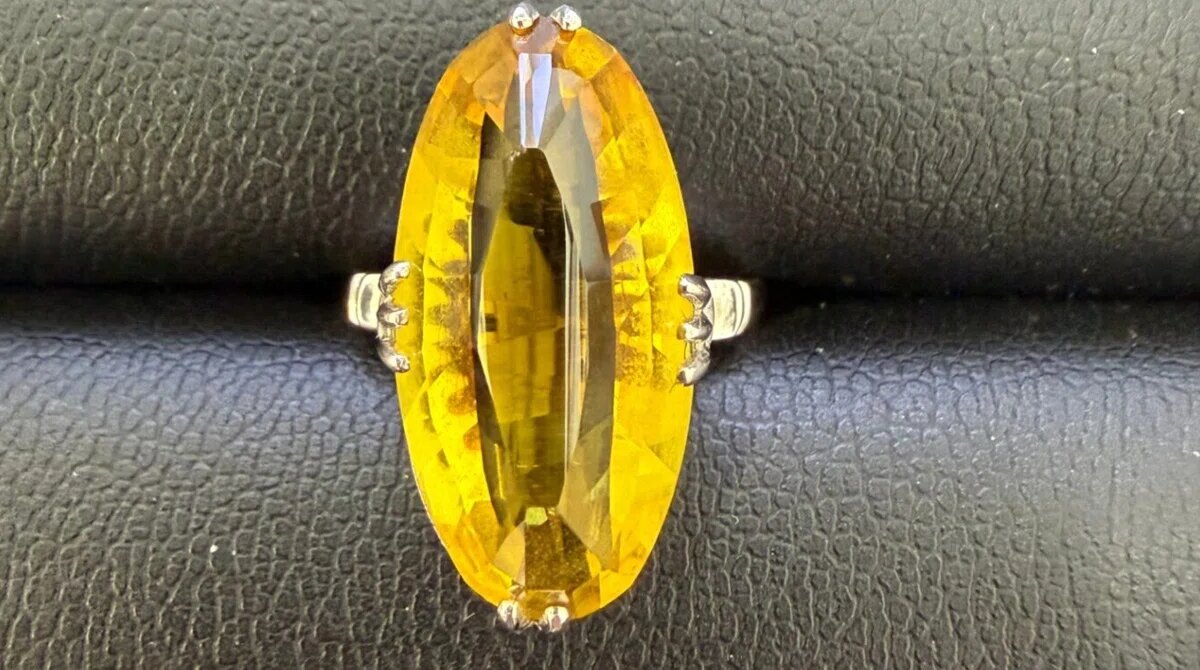
Organizing precious metals starting with “Is this really gold?”
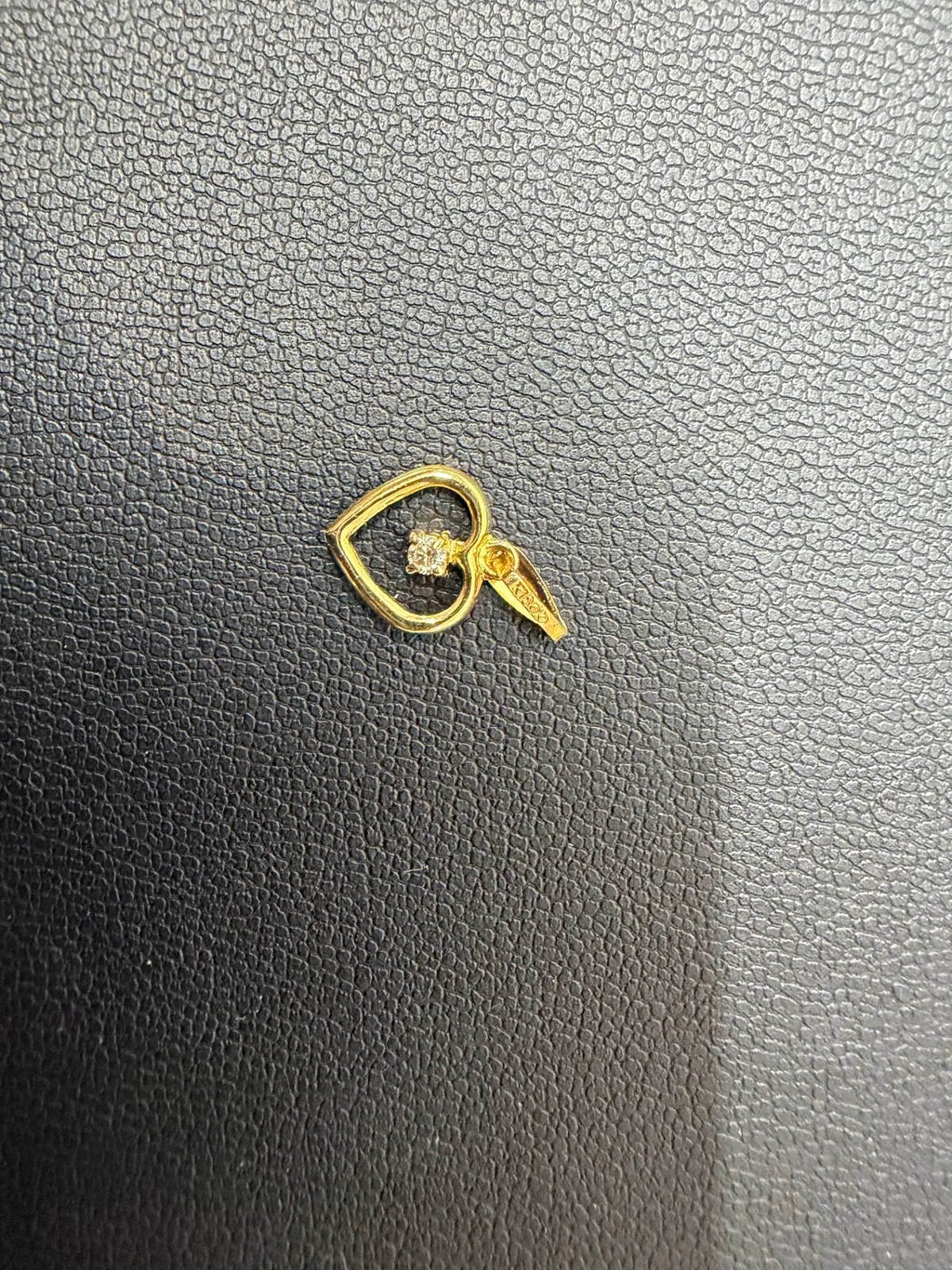
When organizing your home, you may come across accessories of unknown material.
“It says K18, but what does that mean?”
“It’s a gold-colored necklace, but is it really gold?”
“Does a platinum ring I bought a long time ago still have value?”
These are common initial concerns for those considering selling gold or precious metals.
Since it is difficult to judge gold and platinum by appearance alone, it is important not to dispose of items of unknown value based on your own judgment.
What are the differences between K18, K24, etc.?
When looking at gold products, you may find hallmarks such as “K18” or “K24”.
These are notations used to indicate the purity of the gold.
Generally, K24 is close to pure gold, while K18 is gold mixed with other metals.
In jewelry, K18 is often used for its strength and ease of processing.
However, the appraisal value is not determined solely by the hallmark.
Weight, purity, and the market price at that time are also factors.
Checking platinum in the same way as gold
When organizing jewelry, you may find platinum products as well as gold ones.
They are often used in wedding rings and necklaces, and you may have seen hallmarks like “Pt900” or “Pt850”.
It is not uncommon to not remember the purchase price of rings or necklaces bought a long time ago.
When considering selling platinum, it is easier to organize if you start by checking the material and its current valuation.
How are ingots appraised?
You may be searching for ingot purchasing services in Okazaki.
For ingots, checking weight and purity is important.
Also, since different dealers accept different types of ingots, the brand is another important factor.
Because gold market prices may differ between the time of purchase and the time of sale, you cannot determine the current value based solely on ‘how much you bought it for in the past’.
Gold market prices fluctuate.
If you are considering selling, one way to decide is to check the appraisal value at that time.
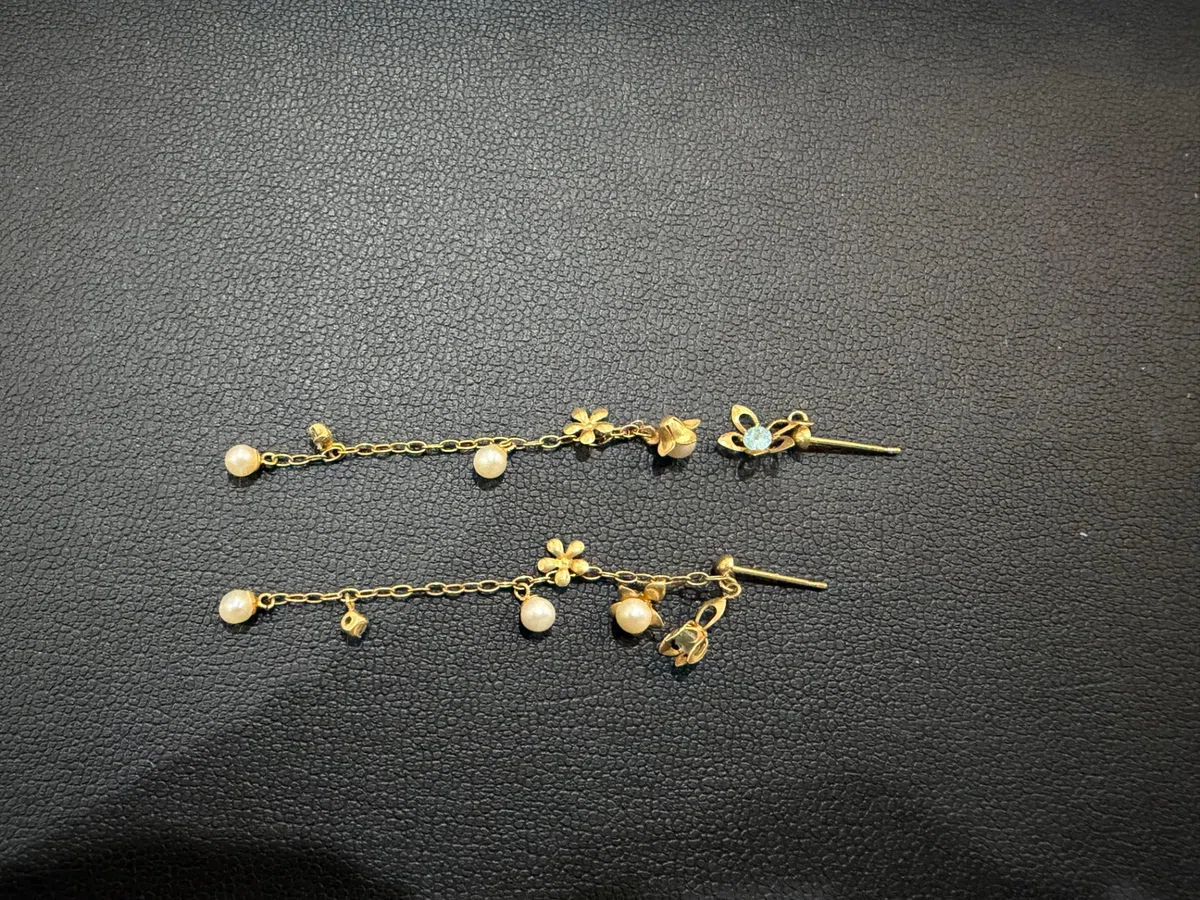
What about broken necklaces or single earrings?
For gold and platinum products, even if they cannot be used as jewelry, they can sometimes be verified as raw materials.
For example,
・Broken necklaces
・Deformed rings
・Single earrings
・Old-fashioned jewelry
and so on.
Instead of ‘throwing it away because it’s unusable,’ try checking if there is still value in the material.
Frequently Asked Questions
Q. Can I consult you even if I cannot find a hallmark?
Hallmarks can sometimes be difficult to see on older products.
Even if the material is unknown, one way is to first consult us for an appraisal.
Q. Is it okay if gold and platinum are mixed together?
There is no need to sort them yourself.
Consulting us with everything together, even if you are unsure, makes it easier to organize.
Also, we will appraise each item one by one at the store to determine which is gold and which is platinum.
Q. Is there a recommended time to sell gold?
Because gold prices fluctuate, it is impossible to definitively say that ‘this period is always high.’
One approach is to check the current appraisal value as soon as you start considering a sale and think about whether you are satisfied with it.
If you are organizing precious metals in Okazaki, ‘check before you discard’
At Kaitori Daikichi Okazaki Tatsumigaoka Store in Onishi, Okazaki City, items such as gold, precious metals, gemstones, and jewelry are eligible for appraisal.
When decluttering or organizing your estate, small accessories are the easiest to overlook.
If you find old necklaces or rings, do not immediately decide to ‘dispose of them because they are unused’; instead, try checking their material and current value.
Even just doing that can lead to organizing with fewer regrets.
[Store Information]
Kaitori Daikichi Okazaki Tatsumigaoka Store
1-26-10 Onishi, Okazaki City, Aichi Prefecture
(Parking for 2 cars available in front of the store)