1. ArchDaily


  2. Urban Agriculture

Stefano Boeri Architetti’s Green Obsession Campaign Wins the United Nations SDG Action Awards

From Farm to Fork: How Architecture Can Contribute to Fresher Food Supply

How Will We Live With Livestock?

Subscriber Access | 

URB Unveils Plan for World’s Largest Agritourism Destination in Dubai, UAE

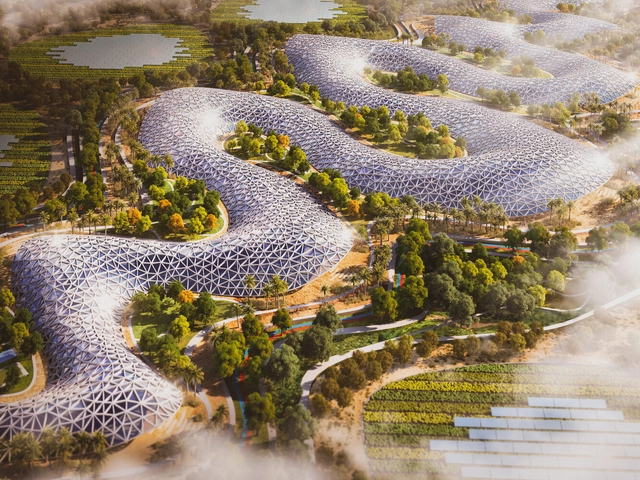
URB to develop the world’s largest agritourism destination in Dubai, providing food security and to foster sustainability of the local communities, heritage, and cultural landscapes. In line with the city’s ambition of making its rural areas restorative land facilities, “Agri Hub” targets to create 10,000 new jobs across various sectors, including a new agricultural research institute and a public farm for educational and retail purposes.

Rethinking Cities’ Relationships with Nature: Robotic Urban Farmers

Subscriber Access | 

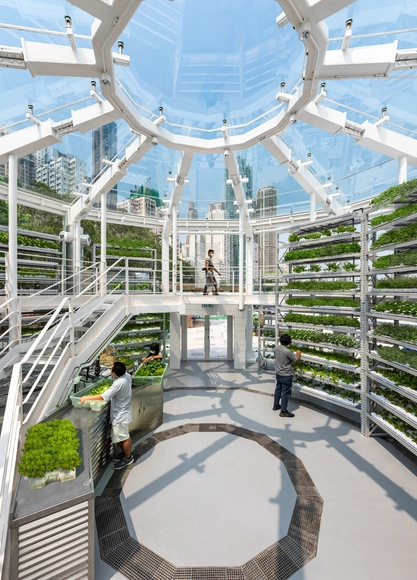
In our current context of ecological crisis, global warming, biodiversity loss, human population growth, and urban sprawl, we need to rethink the way we build and live in our city. We have observed the consequence of uncontrolled urban planning and construction driven only by a capitalist and productivist vision of the city, packing as many humans as possible in the cheapest constructions available, without consideration for the impact on our planet, our fellow animals &  plants inhabitants, and our own wellbeing. The concrete jungles we have been building for the past century have proven to be disrupting our climate (Global Warming, Local heat island effect), our ecosystems (loss of biodiversity, and recess of animals & plants population), and our economy (the food and product industry have been displaced far away, replaced by the only service industry, and the generation of the huge amount of waste in the city).

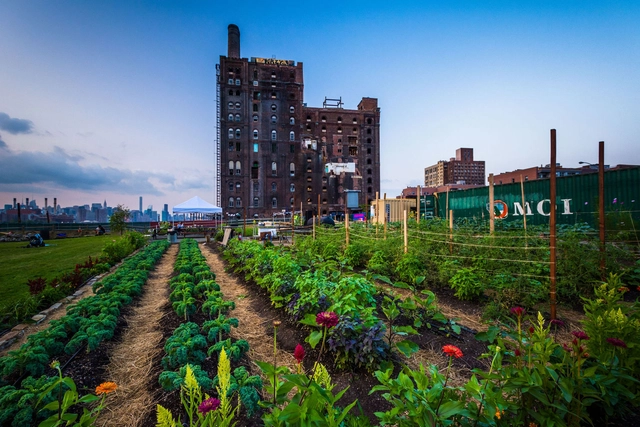
Rethinking Cities' Relationships with Nature: Robotic Urban Farmers - Image 1 of 4Rethinking Cities' Relationships with Nature: Robotic Urban Farmers - Image 2 of 4Rethinking Cities' Relationships with Nature: Robotic Urban Farmers - Image 3 of 4Rethinking Cities' Relationships with Nature: Robotic Urban Farmers - Image 4 of 4Rethinking Cities' Relationships with Nature: Robotic Urban Farmers - More Images+ 1

The Challenge of Food Production in a Planetary City

Subscriber Access | 

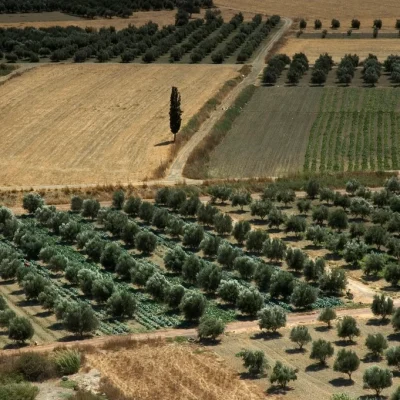
In an age of unprecedented globalization, our food supply chains — the institutions and mechanisms involved in food production and distribution — have become longer. So much so that they are hardly perceived as chains or systems. They have been integrated into our lives, and into our cities, and transformed our relationships with food. And yet, those very long food supply chains are implicated in some of our most pressing global problems, from food security and waste to biodiversity and climate change. These food supply chains have come to their current state, their current length, over decades, or centuries perhaps, through all sorts of political, social, cultural, and economic processes, and carry with them a range of burdens: vague producer-consumer relationships, and a host of negative environmental externalities, among many others.

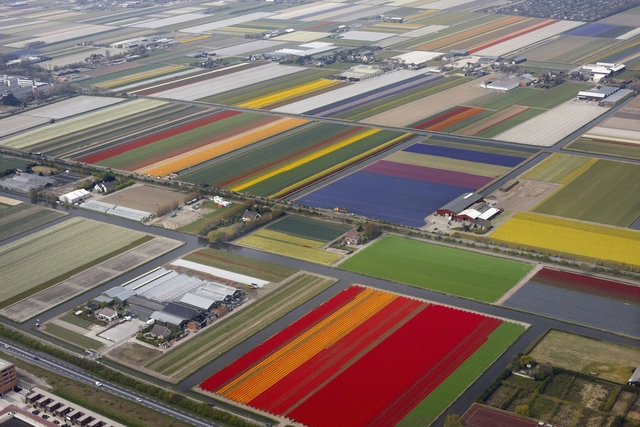
The Challenge of Food Production in a Planetary City - Image 1 of 4The Challenge of Food Production in a Planetary City - Image 2 of 4The Challenge of Food Production in a Planetary City - Image 3 of 4The Challenge of Food Production in a Planetary City - Image 4 of 4The Challenge of Food Production in a Planetary City - More Images+ 9

Can ‘Agritecture’ Help Us Adapt to Climate Change? These Architects Think So

 | Sponsored Content

With global population on the rise, natural resources used to produce food are becoming increasingly threatened by climate change, and urban sprawls are continuing to out-compete farmland, with more creative solutions to growing, distributing, and consuming food urgently needed. One crucial group we’ll have to rely on to build a more food-secure future? Architects and urban designers.

Chris Precht Shares his Thoughts on the New Generation of Architects in ReSITE Podcast

FoodCAMP: How Food Makes Better Cities and Vice Versa

Prague’s CAMP explores the Synergies of Food and Urbanism
A dedicated FoodCAMP event offers free talks, debates and screenings

Can food form a better city – and vice versa? Prague’s CAMP (Centre for Architecture and Metropolitan Planning) will search for the answers to this question during its FoodCAMP programme from December 2 to 6. Every evening of the week will explore a different layer of food – urban planning dynamics covering topics like the sustainable relationship between the city and countryside, urban gardening, restaurant design and street food. The programme includes movie screenings, talks, debates with foreign speakers like Carolyn Steel, author

The Trends that Will Influence Architecture in 2019

It is, once again, the time of year where we look towards the future to define the goals and approaches that we will take for our careers throughout the upcoming year. To help the millions of architects who visit ArchDaily every day from all over the world, we compiled a list of the most popular ideas of 2018, which will continue to be developed and consolidated throughout 2019.

Over 130 million users discovered new references, materials, and tools in 2018 alone, infusing their practice of architecture with the means to improve the quality of life for our cities and built spaces. As users demonstrated certain affinities and/or demonstrated greater interest in particular topics, these emerged as trends. 

Semaphore: an Ecological Utopia Proposed by Vincent Callebaut

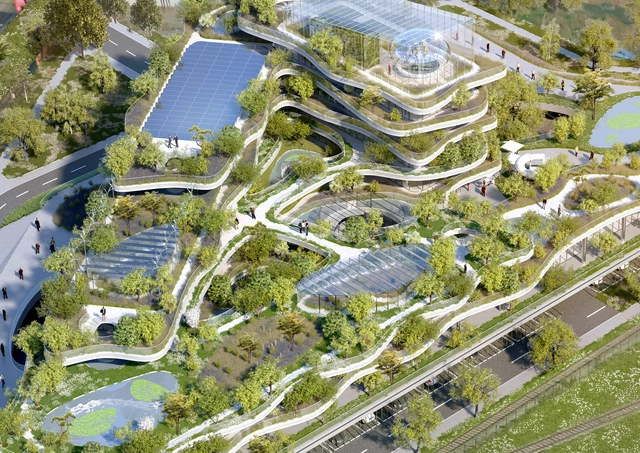
In a design proposal for Soprema’s new company headquarters in Strasbourg, France, Vincent Callebaut Architectures envisions an 8,225 square-meter ecological utopia. The building, called Semaphore, is described in the program as a “green flex office for nomad co-workers” and is dedicated to urban agriculture and employee well-being.

An eco-futuristic building, Semaphore is inspired by biomimicry and intended as a poetic landmark, as well as aiming to serve as a showcase for Soprema’s entire range of insulation, waterproofing, and greening products. The design is an ecological prototype of the green city of the future, working to achieve a symbiosis between humans and nature.

Semaphore: an Ecological Utopia Proposed by Vincent Callebaut - Image 1 of 4Semaphore: an Ecological Utopia Proposed by Vincent Callebaut - Image 2 of 4Semaphore: an Ecological Utopia Proposed by Vincent Callebaut - Image 3 of 4Semaphore: an Ecological Utopia Proposed by Vincent Callebaut - Image 4 of 4Semaphore: an Ecological Utopia Proposed by Vincent Callebaut - More Images+ 18

Competition-Winning Paris Office Park Design to Reintroduce Play into the Workplace

Learn More About Permaculture by Building Your Own Herb Spiral

Subscriber Access | 

Australian ecologists, David Holmgren and Bill Mollison, first coined the term permaculture in 1978, encompassing holistic methods for planning, updating and maintaining environmentally sustainable, socially just and financially viable systems. For Mollison, “Permaculture is the philosophy of working with and not against nature, after a long and thoughtful observation.” In this sense, herbal spirals are an excellent exercise to begin to understand some of the concepts of this culture, as it brings together various natural functions in a single element, making it more productive and healthy.


Source link

Leave a Reply

Your email address will not be published. Required fields are marked *