

For agriculture, one of the biggest potential challenges that could lead to upsides is getting the next generation into farming. The younger generations are hoping to either take over the older generation’s farms or found their own, and finding ways to encourage that could be what keeps the agriculture sector running strong.
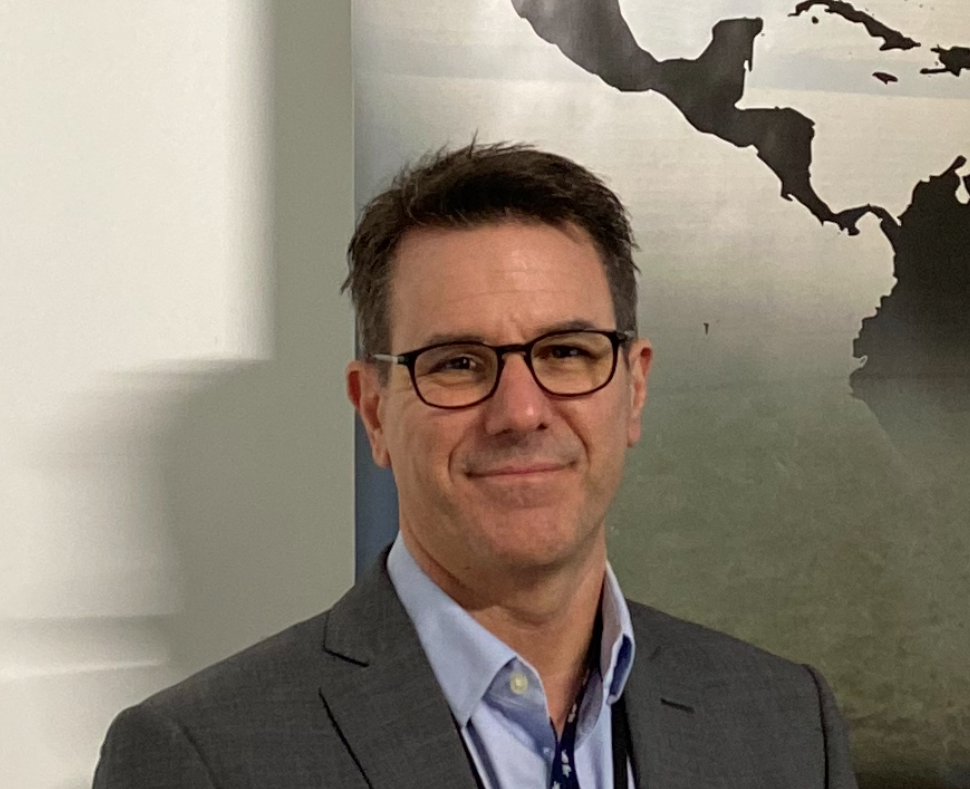
J.P. Gervais, Executive Vice President, Strategy and Impact and Chief Economist at FCC, talks about some of the work behind transitioning farmland to younger hands.
“We’ve come up with some estimates of the total value of farm assets that are going to need to be transferred over the next 10 years. The minimum is about USD $50 billion. Realistically, I think we are looking at transferring a lot more than USD $50 billion worth of assets over the next 10 years. It could go as high as USD $75 billion, maybe approaching USD $100 billion of farm assets to be transferred over the next 10 years.”
“That’s the main asset that farm operations own. Farmland has never been this expensive in relative terms. If you look at where farmland values are today relative to what you can grow out of an acre of farmland, that’s at the highest price point. In Saskatchewan, for example, the ratio of farmland prices to revenues on a per-acre basis is still not as high as in other provinces. But the bottom line is that no matter the province you’re looking at, this ratio of price to revenues has been trending up, and that makes farmland less affordable.”
This is the biggest challenge for getting younger farmers involved, says Gervais.
“(They) realize that there are economies of scale, realize that to be competitive, you have to have a certain scale, you have to have the ability to farm a certain scale. That creates lots of different challenges for farm families that are transitioning from one generation. Perhaps they have other children in the farm family who look at a farm themselves. It creates a number of different issues that, as an industry, we need to solve.”
While there will be challenges in the industry, Gervais maintains that agriculture will stay an important part of the economy.
“If you take a step back and then put aside some of the current profitability challenges that we have, the world’s going to need more food. That’s an old story. We’ve been hearing this story for a while already, but it’s true. The global population’s going up. Some of those emerging countries are getting richer, their diets are shifting and so forth. That creates a global demand for food that is rising.”
In order to help food issues in Canada and around the world, Gervais says the country needs to recharge its investment in the sector.
“I think if we can try to gain that productivity growth that we’ve had maybe a few years ago, decades ago, and rekindle the growth that we’ve had, it’s not going to come without some major investments in terms of innovation and so forth. We can talk about some of the solutions, but the bottom line is if we’re able to go back to some of the pace of productivity growth that we’ve had not too long ago, I do think that it opens up for us opportunities to grow the industry a bit more and really step into this role of major engine of economic growth in the country.”
Gervais also cited the current US-Canada relationship and the capability for Canadian producers to offer an alternative to American agricultural products.
The agriculture industry can also expand beyond just working on farmland, with other careers available.
“When we talk about expanding the agriculture industry, it’s also important to let that younger generation know, whether they are on the farm or not, about the opportunities in the ag industry and not just at the farm or ranch level, but just in general careers in the industry.”
“There are very attractive careers in agriculture, and one of the things that we don’t do nearly enough, or two things in my opinion, that we don’t do nearly enough, and we should do more of, first off, is to tell all Canadians that the efforts that we’ve made at the farm level and across the food supply chain, so that accounts as well for agribusiness, food processing and so forth, but the efforts that we’ve made at the farm level to produce more with the same land base, actually to the benefit of all Canadians.”
The plan would help more Canadians realize the benefits that the agri-food sector brings and the possibilities from the industry.
Gervais says they also want to change how agri-business jobs are seen to try and bring in more people.
“To speak of the jobs, the jobs that are available in the industry, we still kind of have to wrestle with the perception that the jobs that are available are low-tech or highly manual. There are those jobs for sure in the industry, but there are tons of other jobs as well that are leveraging quite a bit of technology.”
“We’re now staring at a major game-changer when it comes to artificial intelligence, AI, and that’s going to be integrated into the agriculture industry, it’s going to be integrated into the agri-food supply chain, so we get tons of those opportunities to really bring these technologies and let people know that the jobs and occupations that exist in agriculture are quite exciting as well.”
Gervais says that telling better stories on how people can become involved in the agriculture industry is key to making sure a new generation can find their place in agribusiness.