War-related ructions in energy markets have spilled over into coal. The rush for gas substitutes has pushed up prices for thermal coal, which is used to power electricity plants, by a fifth since US strikes began on Iran, to $135 per tonne.
Energy prices tend to move in lockstep; gas and coal in particular can stand in for each other. Thus when Qatar was forced to shut down gas production facilities, spot prices soared — and yanked coal prices higher in their wake. In 2022, within weeks of Russian invading Ukraine, coal prices more than doubled to over $400 per tonne.

This time, the fallback fuel is unlikely to get quite so expensive, even if hostilities in the Middle East are more prolonged than hoped. It is true that the sharp increase in natural gas prices — if sustained over time — is already sufficient to make generating electricity from coal cheaper, giving European countries an economic incentive to switch. But some plants have been phased out for good: the UK closed its last one in 2024. Overall, the amount of available coal-fired power generation capacity in Europe has fallen by about 40 per cent, estimates ICIS, although some may be clawed back in an emergency.
Supply is also less constrained. In 2022, Europe was far more dependent upon Russian coal — and paid the price when sanctions were imposed. Now several countries are sitting on stockpiles. China, still the biggest producer and importer, consuming half of world’s supply despite its leading role in green technology, continues to add or revive mining capacity.
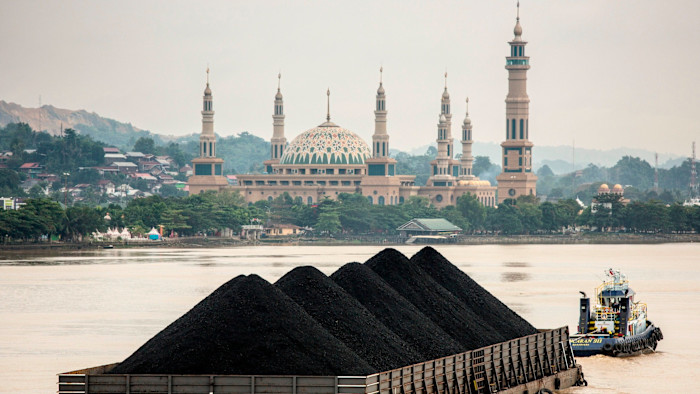
Coal remains one of the dirtier fuel options. But climate policies don’t look like an insurmountable obstacle. Indonesia, fretting about peacetime price declines, had vowed to cut exports equivalent to about a tenth of seaborne shipments. Higher prices may well prompt it to reverse that decision. Jakarta has flip-flopped on coal plans before and the prospect of bloated royalties is a powerful incentive to do so this time.
Fears of global warming, of course, hold little sway in the Trump administration, especially given the growing demand for electricity to power AI data centres. Trump has already called on emergency powers to stay several planned coal mine closures. Last year, US coal consumption rose by 8 per cent, the International Energy Agency reckons.
A protracted conflict would dent the IEA’s expectations that global coal consumption will start to decline, or at least plateau, come 2030. For those who had once hoped for a coal-free future, this is unwelcome news. But in a time when other energy prices are liable to keep rising, its lumpy charms will have a certain draw.