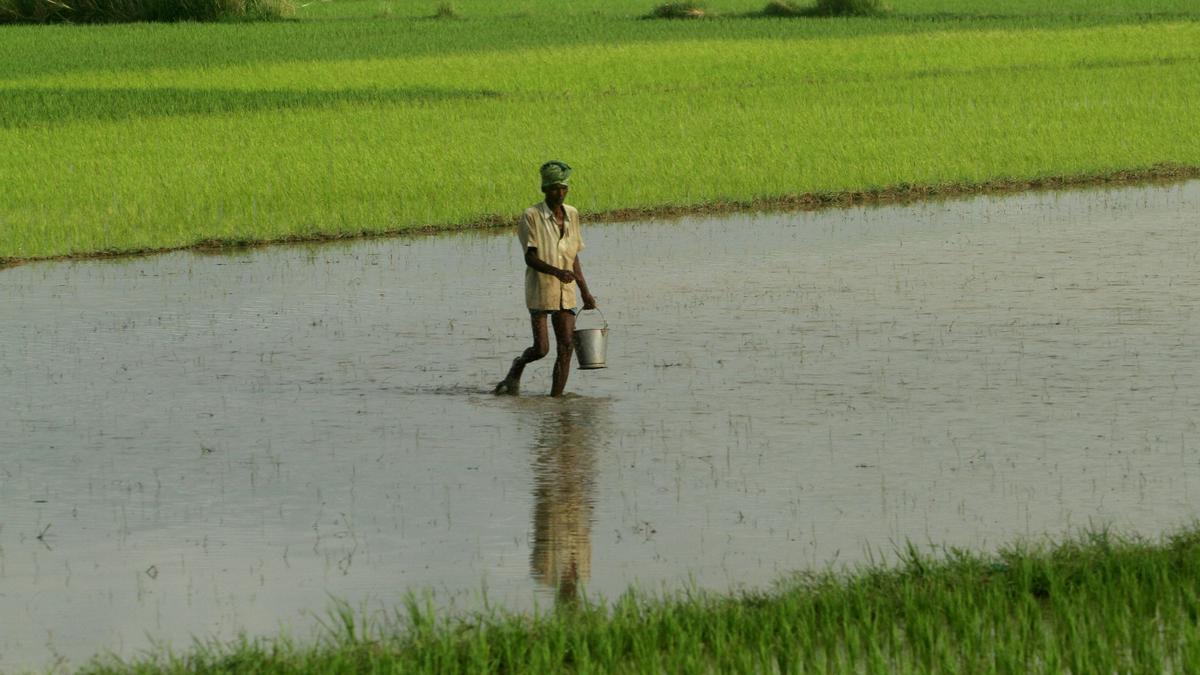
One of the most imminent challenges today is the erratic climate change occurring across many parts of the globe.
Climate is a key element for any industry due to its effect on temperature, local ecology, chances of weather extremes, etc.
Abrupt and unpredictable changes in these factors cause disruptions in the overall availability of raw materials, workforce well-being, access to market, finance and technology, customer preferences and regulatory landscape.
One such key industry from a global standpoint is the “agricultural industry and the agricultural sector”.
Climate change is creating wide range of direct and indirect risks for all industries, including the agricultural industry. Some of these risks include:
- disruption in the crop lifecycle, including destruction of crops
- workforce disruption
- supply chain disruption
- flooding of farms and soil erosion
- damage to the stored food supply due to dampness
- severe financial constraints
- transition risks which arise from society’s response to climate change such as changes in technologies, markets and regulation that can increase business costs, undermine the viability of existing products or services, or affect asset values
- uncertain regulatory and political environment
- loss of goodwill due to inability to fullfill obligations
- hike in insurance premiums
Impact on climate change
Farming and agriculture are significant contributors to the rising greenhouse gas (GHG) emissions. Globally, it contributes to around 25 per cent of the total emissions, with methane from livestock, carbon dioxide from the fuel used in machinery and nitrous oxide from fertilisers and manure management.
Together, these emissions have a considerable impact on the overall climate change. For every 1○C rise in temperature, there is a tangible reduction in Agro-produce.
‘Stubble Burning’ is another major environment and health challenge in Northern India, which is a method of burning and removing crop residue (stubble) from the fields.
Low carbon agriculture plays a significant role in reducing climate change and encouraging environmental sustainability in India. A low carbon footprint in agriculture means low emissions of carbon dioxide and other GHG in all types of agricultural activities, including emissions from the fields, farming machinery, livestock processes etc.
India’s initiatives
Apart from low-cost finance, subsidies, incentives, exemptions to farmers and agro-based industries, India is actively promoting ‘climate-healthy’ agriculture and agricultural practices, which include the following –
- A national Carbon Credit Trading Scheme (CCTS) framework has been established through The Green Credit Rules, 2023 which enables entities to participate in tradable Carbon Credits Certificates (“CCC”). The green credit programme inter alia includes the activity of “Sustainable Agriculture – to promote natural and regenerative agricultural practices and land restoration to improve productivity, soil health and nutritional value of food produced”.
- Precision agriculture is also being promoted with the use of advanced technologies such as remote sensing, Internet of Things (IoT) and global positioning systems (GPS) to optimize the use of inputs like fertilizers, water and pesticides.
- The use of drones in agriculture is also being promoted for convenience of farmers, which will reduce overall costs and increase the income. It also increases crop production and monitors crop growth. ‘Kisan Drone’ is being promoted by the Government for its use in crop assessment, digitisation of land records, spraying of pesticides and nutrients.
Need of the hour
Considering that India is an agrarian country and keeping in mind the need of the hour, India has also implemented the National Mission for Sustainable Agriculture (“NMSA”).
NMSA derives its mandate from the ‘Sustainable Agriculture Mission’ which is 1 (one) of the 8 (eight) missions outlined under the National Action Plan on Climate Change (“NAPCC”).
The strategies and programmes outlined in the mission document, aim at promoting sustainable agriculture through a series of adaptation measures focusing on 10 key dimensions encompassing Indian agriculture namely:
- Improved Crop Seeds, Livestock And Fish Cultures
- Water Use Efficiency
- Pest Management
- Improved Farm Practices
- Nutrient Management
- Agricultural Insurance
- Credit Support
- Markets
- Access to Information
- Livelihood Diversification.
India is also actively looking at encouraging Agro-industries to consolidate produce through contract farming, thereby making available to the farmers, Agro-best practices, efficient technologies, infrastructure, low-cost financing and effective bargaining positions for the agricultural produce.
India is at the intersection of tradition and modern transformation. Low-carbon Agriculture and Farming is not just a conceptual blueprint anymore. Understanding and implementation of best practices along with effective financial and regulatory support, is the fertile ecosystem in which sustainability thrives.
In adapting to sustainability, the Government and relevant stakeholders need to approach the challenges as opportunities that actually fuel innovation and sustainable growth.
(The author is Partner aShardul Amarchand Mangaldas. She has been assisted by Dhwani Baxi, Senior Associate, Shardul Amarchand Mangaldas.)
Published on December 6, 2025