-
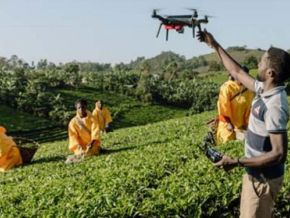
East African nations and FAO reaffirmed their commitment to digital innovation in agriculture, recognizing its potential to address climate shocks, market gaps, and low productivity.
-
East Africa has deployed 217 digital agriculture solutions—more than any other region in Africa.
-
The workshop outlined a roadmap for scaling digital tools, strengthening infrastructure, and building farmer capacity to ensure inclusive, tech-driven agrifood systems.
East African nations, in partnership with the Food and Agriculture Organization (FAO), have reaffirmed their commitment to harnessing digital innovation to transform agrifood systems. This pledge was made at the East Africa Regional Digital Innovation Workshop for Agrifood Systems Transformation, held in Addis Ababa and announced on December 2.
The event brought together government officials, national digital agriculture focal points, and FAO experts to align strategies, share best practices, and set joint priorities for scaling digital solutions across the region. With agriculture employing over 70% of the population in many East African countries and contributing up to 30% of GDP, the sector remains vital—but vulnerable, according to the FAO. Farmers continue to face climate shocks, limited market access, and information gaps that hinder productivity.
Participants emphasized that digital tools—ranging from weather and market information services to e-extension platforms, geospatial analytics, and digital farmer registries—can address these challenges and build more resilient, inclusive food systems. East Africa is already leading the continent in this digital shift. A recent survey by the African Centre for Technology Studies, which sampled 34 producer organizations across nine countries, found that the region has deployed 217 digital agriculture solutions—well ahead of West Africa’s 135 and Central and Southern Africa’s 85. Kenya emerged as the regional frontrunner, reflecting its strong mobile infrastructure and innovation ecosystem.
This momentum aligns with broader market trends. Africa’s digital agriculture market is projected to grow steadily through 2031, driven by rising mobile penetration, youth engagement, and the urgent need for climate-smart solutions. According to Mordor Intelligence, the market is valued at USD 26 billion in 2025 and is forecast to climb to USD 44.4 billion by 2030, at an 11.3% CAGR.
FAO’s regional digital innovation strategy aims to help countries develop scalable ecosystems that integrate policy, infrastructure, data, and skills, ensuring smallholder farmers benefit from emerging technologies. Global platforms such as the FAO AgroInformatics Platform, Farmer Registry, Hand-in-Hand Initiative, and Digital Villages Initiative were showcased as tools to modernize agricultural data systems and support coordinated regional action.
Member states identified key areas for FAO support, including ICT policy development, data governance, infrastructure upgrades, and capacity building—from digital literacy and data analysis to early warning systems and machine learning. Participants also expressed interest in peer learning and study tours to countries pioneering digital agriculture.
Hikmatu Bilali