Mohammedia – The economy in Morocco showed strong signs of recovery in the first half of 2025, particularly through the recovery made in the agriculture sector, along with the stability that has characterized various strategic industries, according to the latest Conjunctural Note by the Directorate of Studies and Financial Forecasts (DEPF), under the Ministry of Economy and Finance.
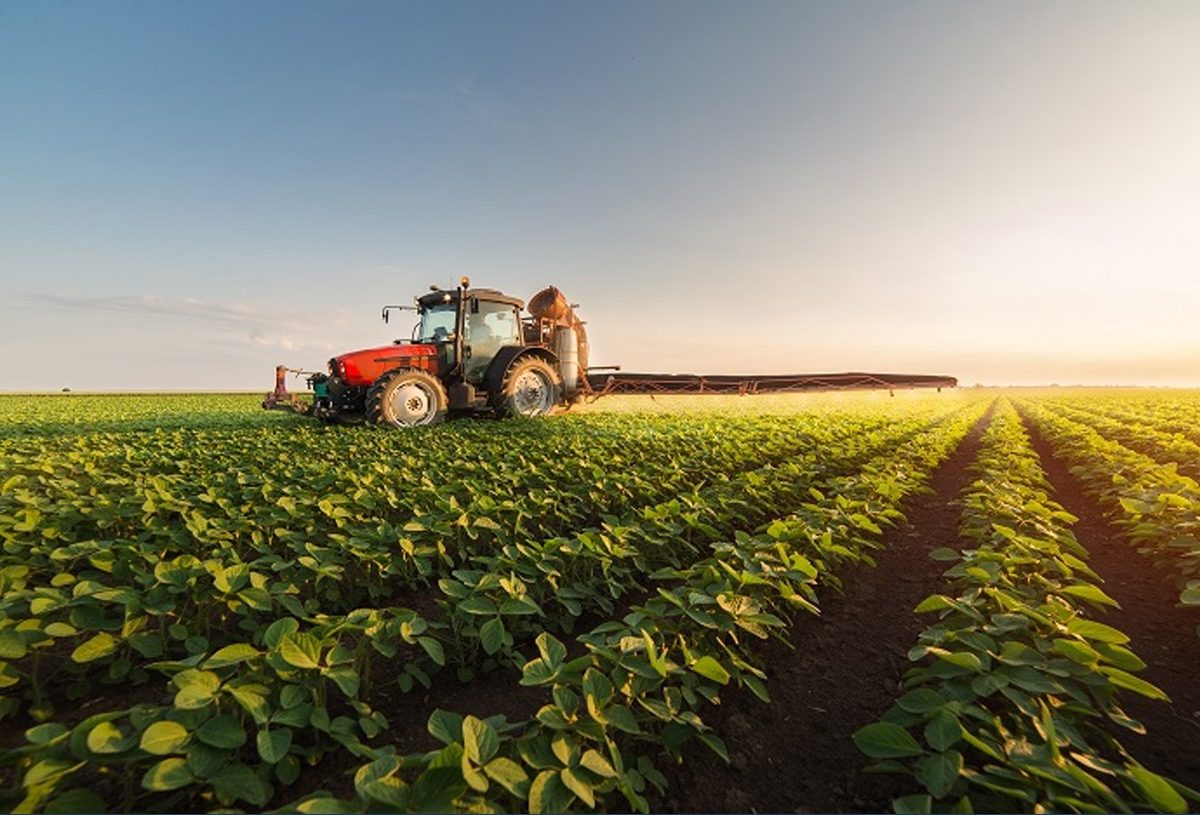
The achievement that is brought to light by the report is that the agriculture sector in the country made an improvement by 4.6% by end-June 2025, thereby offsetting different difficulties that were posed by issues related to global trade patterns and instabilities stemming from weather patterns.
This performance, combined with growth in manufacturing, mining, and construction, supported Morocco’s overall economic recovery, which resulted in its economy regaining confidence through domestic demand, government investment, and diversification of exports.
Agriculture’s comeback from drought
The Agricultural sector, which is home to a third of Morocco’s workforce, also played an important role in the growth recorded during the first half of the year.
The DEPF indicated that the positive rainfall impacts the production of cereals, raising total production in the 2024–2025 crop season to 43 million quintals.
The recurrence of positive weather also assisted in regaining pastures and breeding, hence contributing to the growth in the broader rural economy.
This comes after several years characterized by drought, leading to low crop production and incomes for farmers.
The comeback indicates that the government’s efforts through the Green Generation strategy for the years 2020–2030 are finally yielding positive results. The strategy focuses on improved irrigation, digitalization, and farmer co-operatives.
According to the report, citrus fruits, olives, and tomatoes recorded stable crop production and exports, showing that the sector is gradually modernizing.
However, the growth can still falter. The DEPF states that the challenges posed by climate, irregular rain, and water shortages still jeopardize Morocco’s growth. Despite major expenditures in desalination plants and drip irrigation, the agriculture sector is highly reliant on the weather.
The input prices—including fuel—remain high. However, for small-scale farmers, it is still much too low. The report suggests that long-term stability will require faster adaptation to climate change and better access to technology for rural communities.
Domestic demand and investment fuel the growth
Other than the agriculture sector, the Moroccan economy has also benefited from greater consumer spending and strong investment activity.
According to the DEPF, consumer spending remained vibrant, supported by low inflation rates of 0.4% in September, new employment opportunities, and strong remittances from Moroccan citizens abroad, estimated at MAD 81.7 billion by the end of August.
Additionally, greater access to consumer credit, rising by 3.9%, assisted in sustaining consumer spending during a period of economic adjustment.
Public investment continued to act as a key driver of growth. Spending on equipment and infrastructure rose by 3.3% to MAD 73 billion by September, reflecting progress on major national projects.
Foreign direct investment grew sharply by 43.4%, signaling renewed investor confidence, while bank loans to businesses for equipment purchases rose 21.5%.
The report notes that these factors combined to support construction activity, where the value added rose 6.5%, and cement sales increased 10.6% by September.
The exports also recorded better results, increasing by 3.8% for the end of August, essentially driven by phosphates and derivatives, increasing by 21.1%, along with agriculture, agro-industry, and the aeronautics sector.
However, imports grew by 8.4%, further widening the trade gap by 15.5%. The foreign reserves remained stable, covering five months and twelve days of imports, while the Casablanca stock market recorded increases of almost 29% since December 2024, demonstrating a fresh wave of optimism in the financial market.
Despite these achievements, the budget deficit widened to MAD 52.8 billion by the end of September, compared with MAD 35.6 billion a year earlier.
The increase reflects higher government spending of 17%—equal to MAD 50.5 billion—against a 12.7% rise in revenue. The report explains that the rise in expenditure reflects the state’s continued efforts to support public investment, social programs, and subsidies amid a complex international environment.
The DEPF’s October report describes a Moroccan economy that is adapting rather than thriving. The mix of stronger agriculture, industrial recovery, and sustained tourism—up 14% in arrivals and 10% in overnight stays—points to a gradual normalization after years of disruption.
However, the document also underlines that Morocco’s resilience relies on careful management of fiscal balance, natural resources, and climate adaptation.
Read Also: Morocco’s Agriculture Export Boom, Sweet Corn Exports Skyrocket