There are plenty of jobs on the farm that look pretty strange if you’re not used to them. If you walk into a barn at the right time, you could see a cow getting a pedicure, sheep getting haircuts, or calves wearing coats. Some of these things might seem a bit odd or unnecessary, but like so much else a farmer or rancher does, they’re for the comfort, health, and safety of animals. These essential practices that might be weird or unique to you are just an everyday job for farmers.
Let’s take a closer look at some unique animal care practices!
Cows’ hooves are just like human fingernails, grow continuously. Depending on what terrain cows are in, they might naturally wear down and be kept shorter, but that depends greatly on weather conditions and what the cows are walking on. On today’s farms, cows are often in soft sand beds, outside on softer dirt or pastures, or walk only short distances on cement. This means that their feet don’t always wear as much as they should — or as evenly. Cows can also become sore or lame, including getting rocks and abscesses in their hooves. The solution to this is a hoof trimmer. Hoof trimmers use very cool and specialized equipment to safely trim cows feet.
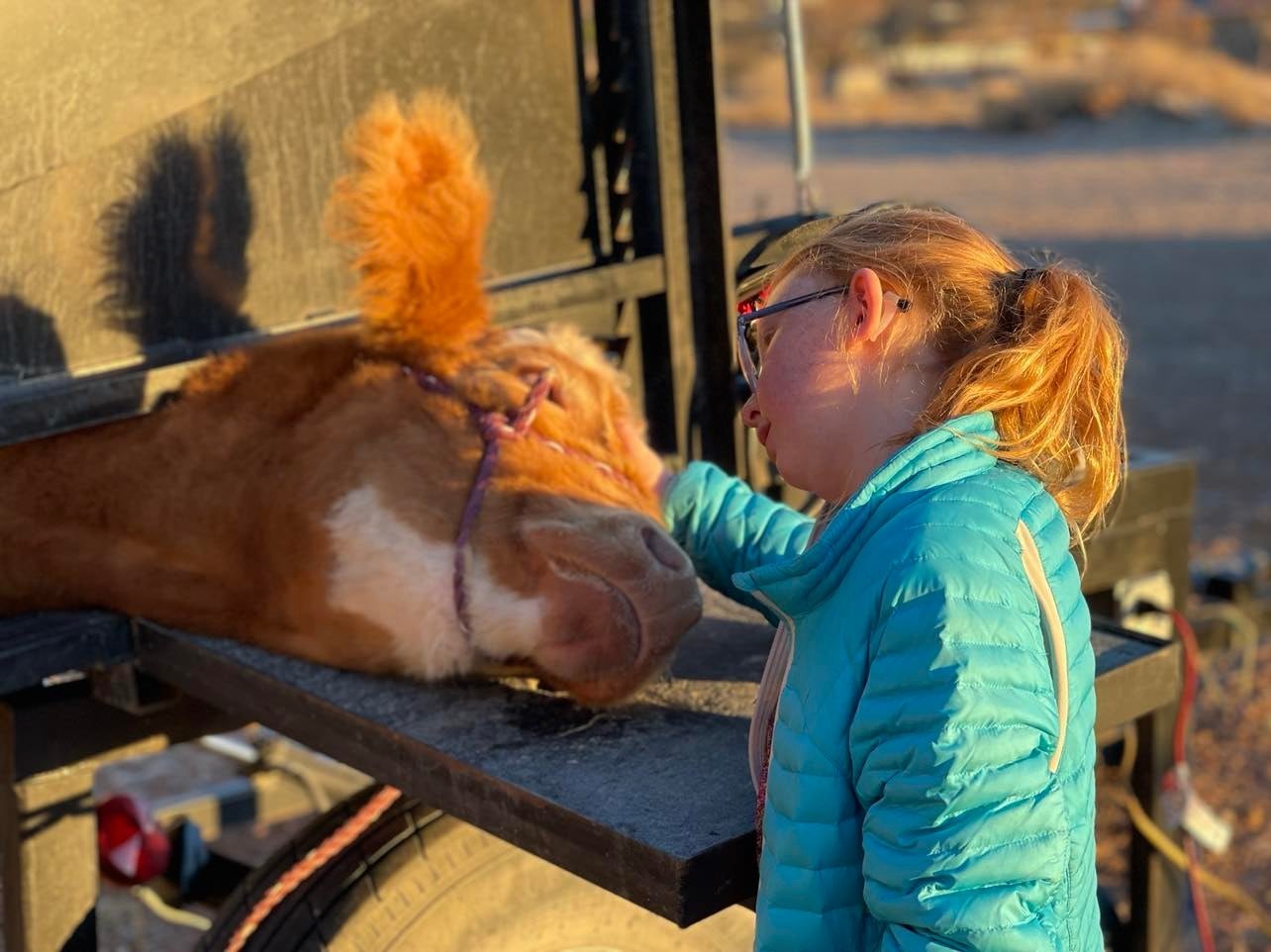
As you know, cows are big animals and it can be extremely dangerous to trim their feet. So instead, a specialized chute is used to safely restrain the cows so they don’t move around too much and possibly injure themselves or others in the couple of minutes it takes for their feed to be trimmed. Their hooves are often trimmed using grinders, nippers, and rasps. Well trimmed hooves keep cows healthy, walking correctly, and comfortable.
Hoof trimmers are also able to fix problems and, truly, add years to a cows’ life compared to if she didn’t get her feet trimmed. While it might look odd, hoof trimming for cattle is an extremely important practice that keeps animals healthy and happy.
Depending on genetics, some cattle grow horns. Calves are born without horns, and they begin to grow quickly from birth onward. Horns might look beautiful (especially if you’re thinking of longhorns and highlanders), but on the average farm that isn’t trying to raise those breeds of cattle, horns can be extremely dangerous. Horns can cause injuries to the cow themselves (their horn could get caught on something), to other cows (if a cow has horns, they will use them), and to people (again, those horns will be used).

Having animals with horns is often not worth the risk of injury toward people and animals, so the solution is dehorning. Many farmers selectively breed polled (hornless) cattle, but for others, that’s not an option. If a cow is going to have horns, they are removed as a young calf. A chemical paste can be applied to the horn bud that will stop it from growing, or a hot iron can be applied to the base of the horn bud to stop it from growing. There are other methods, but these are the most common.
These practices are done early in a calf’s life either by a veterinarian, or often under vet guidance. Animals are also often given pain medications to help them recover quicker. This process might sound rough, but it prevents a lot more issues down the road — and calves are normally back to their happy, active selves in just a few hours!
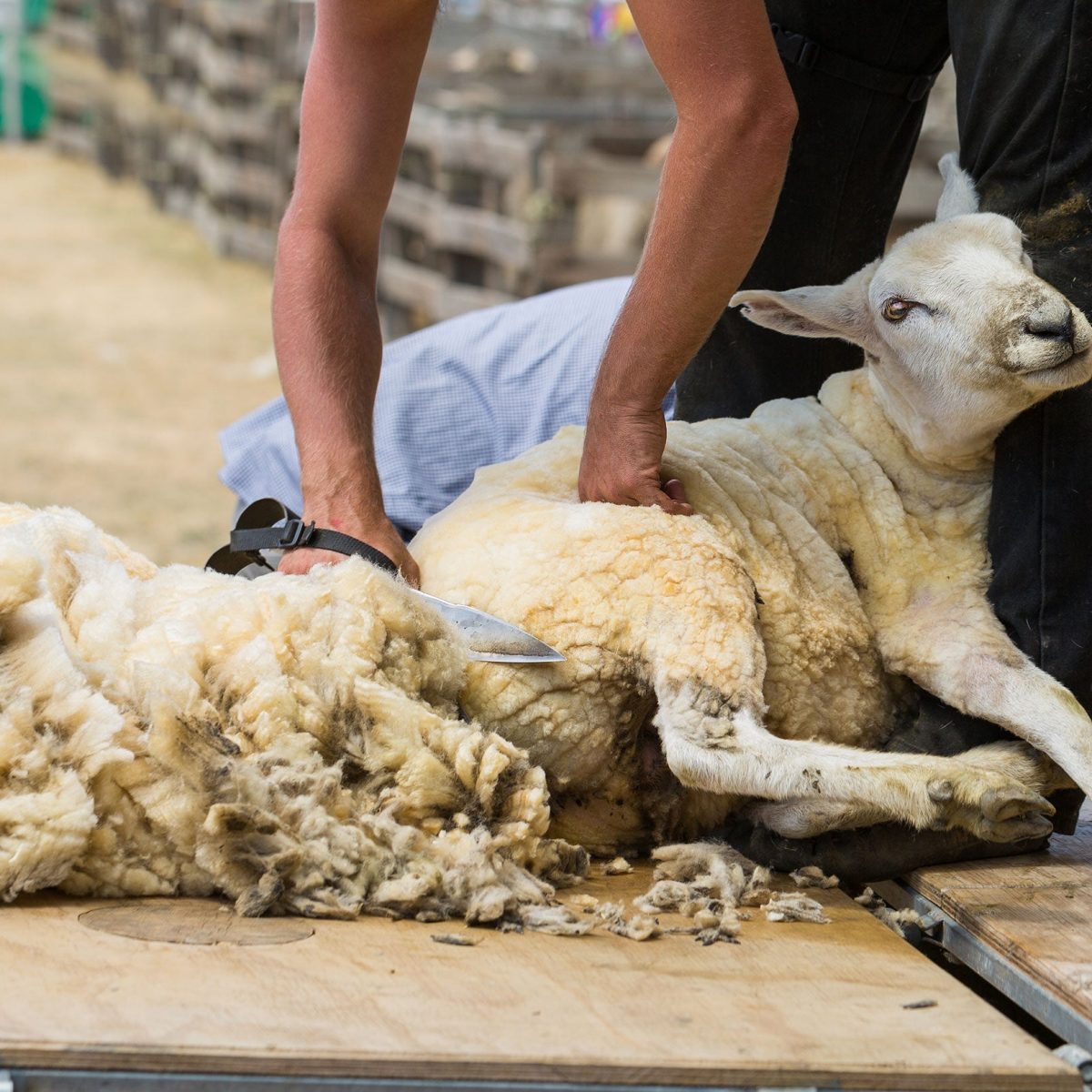
Sheep shearing is another important practice. Domestic sheep can’t shed their wool on their own. If their wool is allowed to grow on its own, sheep can become overheated, immoble, and have a much higher risk of parasites and infections. So instead, they get a hair cut! This keeps the sheep comfortable and provides wool for people to use. Watching a sheep being shorn can be entertaining, as they are placed in some funny positions so the person shearing can carefully (and with proper technique), use a clipper to shear the sheep so the wool comes off in one piece, called the fleece. This keeps sheep healthy, happy, and cool and gives us an amazing renewable resource. Check out this embedded video. It’s the very first video I ever uploaded to my YouTube channel and is titled, “How to Wrangle a Sheep!”
Believe it or not, chickens can be pretty mean sometimes. Left unchecked, this leads to feathers being pulled out, injuries, and even cannibalism (yes, I said that right). One solution to this is beak trimming. This is the process of making the sharp tip of a beak blunt so poultry animals can’t injure each other. This practice is becoming less common today and is often used only when concerns about animals linger despite improved genetics, housing, and poultry management. Methods of trimming the beak include using infrared light (the most common practice today), an eclectic current, a heated blade, and a blade/scissor device.
Trimming beaks doesn’t impact the birds’ ability to eat or behave normally, but it does protect the flock. While this might sound strange, it’s a lot better than the alternative can be.
There are plenty of other unique and interesting management practices. Some are fun like calves that are born in cold weather wearing coats until it is warmer outside. Even though calves have plenty of hair, a little extra help can go a long way in cold weather. Some are important and maybe not as fun, like the clipping of needle teeth in piglets. Piglets are born with needle-sharp canine teeth. These can damage the sow’s (mother’s) teats and injure other piglets if they fight. The teeth can be clipped or ground down to prevent these injuries. Similar to beak trimming, other management practices should be explored first, but this practice can be done if other things don’t seem to be working.
To those outside of animal agriculture some of these practices might seem strange or maybe even cruel at first glance. But every single one of these practices is done with the health and safety of animals in mind. Farmers, ranchers, and veterinarians don’t just do these things for fun.
Think of it this way: Trimming hooves is like getting proper shoes, dehorning, beak trimming, and slipping needle teeth is like childproofing a home, and shearing sheep is like getting a hair cut. These are preventive measures that help solve problems and keep people and yourself safe. It is the same for animals. These unique practices are a great example of just how much care people put into providing animals proper care, keeping them healthy and safe, and giving them a good life.
Michelle Miller, the Farm Babe, is a farmer, public speaker, and writer who has worked for years with row crops, beef cattle, and sheep. She believes education is key in bridging the gap between farmers and consumers. Find more about Michelle on her website.