
Inflation in Nigeria is no longer something people discuss only when a new report drops. It’s felt at the petrol station, in supermarket aisles, and in the way rent negotiations suddenly get tougher. In Lagos, Abuja, and Port Harcourt, households are adjusting budgets while business owners wrestle with costs that seem to climb before last month’s prices have even settled. And when purchasing power keeps getting squeezed, investors naturally start looking for ways to protect value.
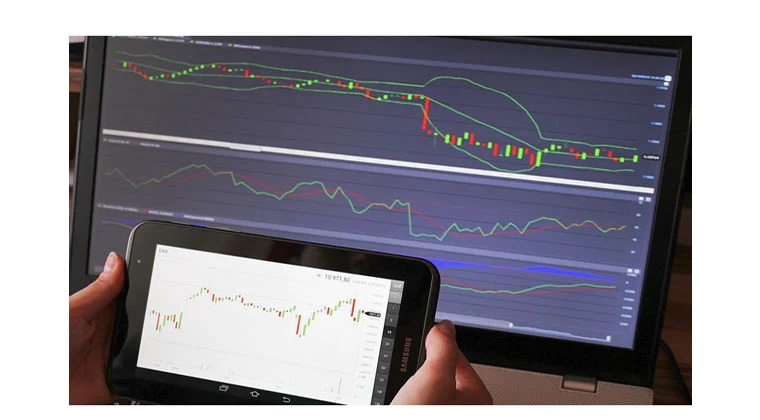
For a growing number of Nigerians, forex trading is starting to look less like a side hustle and more like a strategic hedge against inflation pressure. It offers access to global currencies that respond quickly to inflation trends, interest rate expectations, and shifts in risk sentiment. You might notice how conversations change when the naira weakens, people stop asking whether they should hedge and start asking how to do it properly. Why take all your risk in one basket when global markets give you other options?
Inflation Pressure Is Changing How Nigerians Think About Risk
Inflation has a way of rewriting priorities. When prices keep rising, holding cash feels like watching water leak from a bucket, slow at first, then suddenly obvious. That changes how people measure risk, because the bigger risk becomes doing nothing.
Preserving Value Becomes The First Goal
In Nigeria, inflation reshapes investment thinking in a very practical way. Many investors become less focused on chasing big returns and more focused on preserving what they’ve already built. That’s where currency exposure becomes interesting. And because many Nigerians already follow the US Dollar as a reference point for pricing and value, it feels like a natural place to start.
You might notice traders in Lagos watching major pairs around big economic releases, especially when the market expects central banks to respond to inflation. It’s not about predicting every move, it’s about staying positioned so inflation doesn’t quietly erode value in the background. I’ve seen investors become more patient once they accept that preservation is a goal in itself.
Currency Weakness Adds Another Layer
Inflation rarely travels alone. When the local currency weakens, imported goods become more expensive, and that feeds into everyday prices through fuel, household items, and business inputs. Many Nigerian investors understand this connection because they live it. Why does that matter? Because it turns currency exposure into a form of insurance, not just speculation.
Markets move like tides, calm at first, then sudden, and currency weakness can speed up the inflation story quickly. When investors see that risk building, they often look for ways to offset it rather than simply absorb it.
Why Currency Markets React Quickly To Inflation Trends
Currencies are forward looking by nature. They move on expectations, not just on what has already happened, and inflation is one of the biggest forces shaping those expectations. When inflation stays hot, traders begin anticipating tighter policy, and the market starts adjusting long before the official statements arrive.
Interest Rates And Policy Expectations Drive Movement
Central banks don’t just set rates, they shape sentiment. When inflation remains high, markets often expect tighter policy or more aggressive messaging, and currencies can reprice rapidly around those shifts. Nigerian traders tend to follow global central bank guidance closely, especially from the United States and Europe, because those signals often ripple across major pairs.
You might notice how fast the market reacts after inflation data, even when the number only slightly misses expectations. That’s because the market is really trading the story behind the number. And when rates are expected to rise, investors start glancing toward assets that benefit from higher yields, which can strengthen certain currencies and weaken others. I’ve watched traders treat central bank days like a major football final, everyone is waiting for the whistle, then the move comes in seconds.
The Dollar Effect And Global Pricing
The US Dollar plays a central role in global pricing, especially for commodities and many imported goods. When the dollar strengthens, global financial conditions can tighten, and risk appetite often shifts. Nigerian investors often sense this quickly because global movements can influence local costs over time, even if the first reaction happens abroad.
This is part of the appeal of currency markets as a hedge. They respond quickly to inflation signals, sometimes faster than other assets, and that gives investors a chance to position rather than just react later. Think of currencies as the market’s early warning system, they often flash before the impact reaches everyday prices.
How Nigerians Use Forex As A Hedge In Practice
Hedging sounds complex, but in practice it often comes down to diversification and timing. Many Nigerians aren’t trading every day. They’re watching key events and using currency exposure to reduce the damage inflation can do to purchasing power.
Common Hedging Motivations In Nigeria
- Reducing dependence on local currency exposure when inflation stays elevated
• Positioning around major policy decisions that shape global sentiment
• Looking for opportunities in currencies that strengthen when rate expectations rise
• Using shorter trades to offset inflation driven cost increases in daily life
In Lagos and Abuja, this approach is common among professionals who follow macro headlines but have limited time to trade actively. They’re not trying to catch every swing. They’re trying to stay protected when big moves hit. You might notice these traders become most active around known event cycles, like inflation releases or central bank statements, because those are the moments when the market’s direction often becomes clearer.
Managing Risk With Discipline
A hedge only works if risk is controlled. That’s the part many beginners miss. Nigerian traders are increasingly aware that leverage can amplify outcomes in both directions, so position sizing and exit planning matter more than bold predictions. Why does discipline become so important during inflation? Because persistent inflation can create long periods of uncertainty, and uncertainty punishes emotional trading.
I’ve seen traders improve quickly once they shift their mindset from excitement to structure. They keep positions smaller, plan exits in advance, and avoid chasing volatility for its own sake. It’s a small change, but it often makes a big difference.
The Role Of Global Events In Nigerian Inflation Concerns
Nigeria’s inflation story is influenced by global forces as well as local ones. Energy prices, commodity shifts, and sudden changes in global risk sentiment often filter into costs over time. And when those global forces move quickly, currencies often reflect it immediately.
Energy And Commodity Moves Filter Into Daily Costs
Oil and energy related pricing can influence transport and production costs, which eventually show up in consumer prices. Nigerian traders watching global markets often see currency moves as an early signal of how sentiment is shifting. When commodity markets swing, currencies tied to risk appetite often move first, and that can hint at what comes next.
Market Sentiment And Sudden Volatility
Global shocks can flip sentiment in hours. A geopolitical surprise, a shift in rate expectations, or a sharp move in the US Dollar can push currencies quickly in one direction. You might notice how markets can look calm, then suddenly turn noisy, like a storm building from clear skies. That speed is exactly why some Nigerians prefer currencies as a hedge, because they can respond quickly rather than waiting for inflation’s impact to appear later at home.
Inflation can feel slow moving, but its triggers often move fast. Currency markets are one of the first places you see that change.
Conclusion
Persisting inflation is pushing Nigerian investors to think more strategically about protecting value. As cash loses purchasing power and currency weakness adds pressure, more people are turning to forex trading as a hedge tied to global trends and policy expectations. Currencies respond quickly to inflation signals, and they offer flexible tools for balancing exposure, especially when uncertainty lasts longer than expected. For Nigerians navigating rising prices and shifting economic conditions, this market is increasingly viewed not just as a place to trade, but as a practical way to stay financially balanced when inflation refuses to fade.