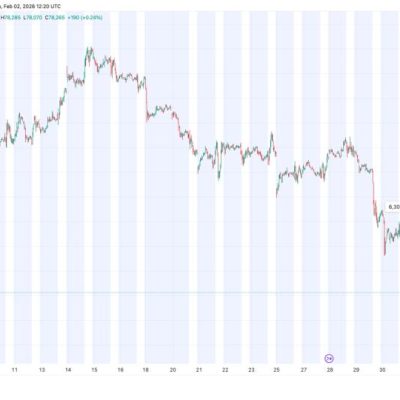
LONDON, Oct 23 (Reuters) – The prompt Brent crude futures contract on Thursday returned to trading at a premium to the six-month contract after new U.S. sanctions on Russia revived concern of a tight market in the near term, erasing earlier signs of a fear of a glut.
The first-month Brent contract is now trading at near $2 a barrel above the contract for delivery in six months , returning to a market structure known as backwardation which indicates tight near-term supply.
Sign up here.
Global oil prices rallied by over 5% on Thursday after U.S. President Donald Trump hit Russia’s two biggest oil companies – Lukoil and Rosneft – with sanctions. The EU added two Chinese refiners and a trader to its Russia sanctions list.
“Market participants are shifting their concerns from oversupplied markets to supply disruption concerns,” said UBS analyst Giovanni Staunovo. “Russia is the third-largest oil producer and the two companies account for 50-55% of Russian output,” he said of Lukoil and Rosneft.
Earlier this week, prompt Brent traded as low as 56 cents a barrel below the six-month contract, having moved to a discount on October 16 for the first time since May. This structure, when prompt barrels trade at a discount to later supply, reflects a perception of a well supplied market in the near term.
The equivalent spread for the major U.S. WTI crude futures contract was also trading in backwardation on Thursday, also ending a brief period in contango.
Reporting by Seher Dareen in London, editing by Alex Lawler and Chizu Nomiyama
Our Standards: The Thomson Reuters Trust Principles.