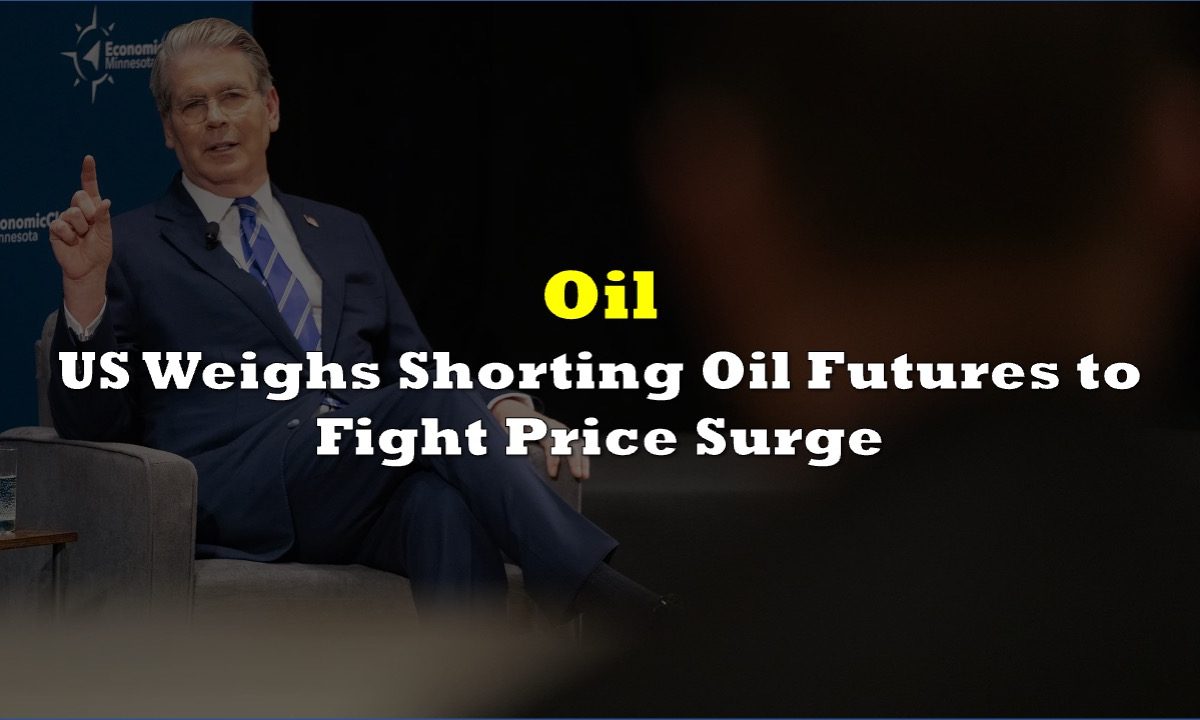
Washington is preparing to wade directly into the oil futures market, with a senior White House official confirming on March 5 that the Treasury Department plans to roll out a package of measures targeting surging energy prices as early as Thursday.
If true, the proposed action would have the government take trading positions in commodity markets to drive down fuel costs — a departure from Washington’s established approach of releasing physical oil reserves to counter price spikes. Analysts say the strategy carries significant risks and does not address the disruption to physical supply, driving prices higher.
Oil prices have surged since hostilities began, with Brent reaching around $85 a barrel on fears that the Strait of Hormuz — a corridor accounting for roughly a fifth of global seaborne crude shipments — could remain blocked indefinitely.
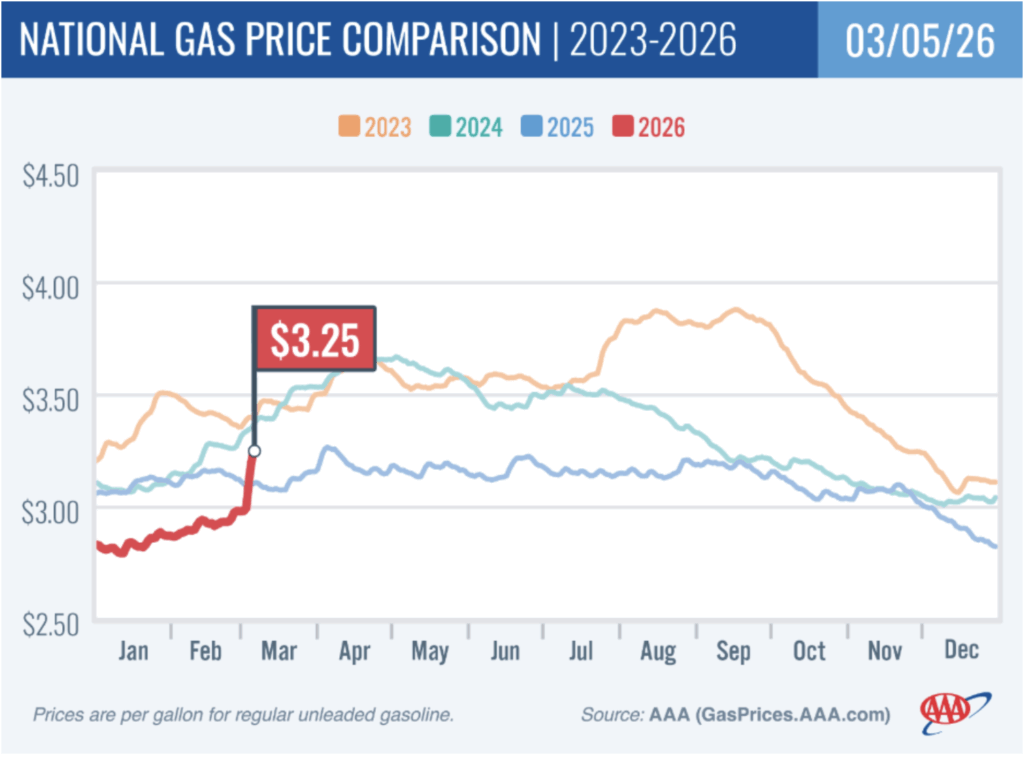
US crude gained 11% on the week to $74.62 a barrel, extending 2026 gains to 30%. The national average gasoline price climbed 27 cents in a single week to $3.25 a gallon, according to AAA
Treasury Secretary Scott Bessent sought to calm markets on Wednesday, arguing that global oil supply remains adequate despite escalating tensions.
“The crude markets are very well supplied,” Bessent told reporters, adding that the government remains in contact with energy-producing nations through the International Energy Agency. He said the administration would roll out a series of measures to stabilize oil shipments through the Persian Gulf.
This also draws on Bessent’s background as a former global macro investor and hedge fund manager who spent decades trading currencies, bonds, and commodities before joining the administration. One proposed tactic involves the Treasury shorting oil futures contracts — essentially placing a government bet that prices will fall — in an effort to dampen speculative momentum in the market.
But energy analysts pushed back sharply on the idea. “If they intend to sell futures to bring prices lower, this is a big gamble and will also be an unprecedented interference in the crude oil markets,” one analyst told Reuters, raising the question of what happens if prices continue rising and the Treasury is forced to post margin or deliver physical barrels against its short position.
John Paisie, president of Stratas Advisors, said financial intervention cannot substitute for physical supply. “Financial manipulation will not work if significant oil volumes are removed from the market,” Paisie said, according to OE Digital. “The traders will keep betting that the oil price will go up, because it should.”
The energy price shock has accelerated inflation fears across financial markets. US Treasury yields climbed to multi-week highs on March 5, with the benchmark 10-year note reaching 4.14% — pushing bond investors to demand higher returns to offset the threat of energy-driven price increases. The surge led traders to scale back expectations for Federal Reserve interest rate cuts this year.
The US Energy Information Administration had forecast in its February outlook that Brent crude would average $58 a barrel in 2026, a projection that assumed global supply would exceed demand. That estimate now appears well below market conditions, underscoring how quickly the Iran conflict has reshaped the energy outlook.
Information for this story was found via the sources and companies mentioned. The author has no securities or affiliations related to the organizations discussed. Not a recommendation to buy or sell. Always do additional research and consult a professional before purchasing a security. The author holds no licenses.