November was the second-worst month on record, beaten only by the £3.63 billion withdrawn by investors in October.
It also marked six months of net withdrawals totalling £10.39 billion, according to global funds network Castelone.
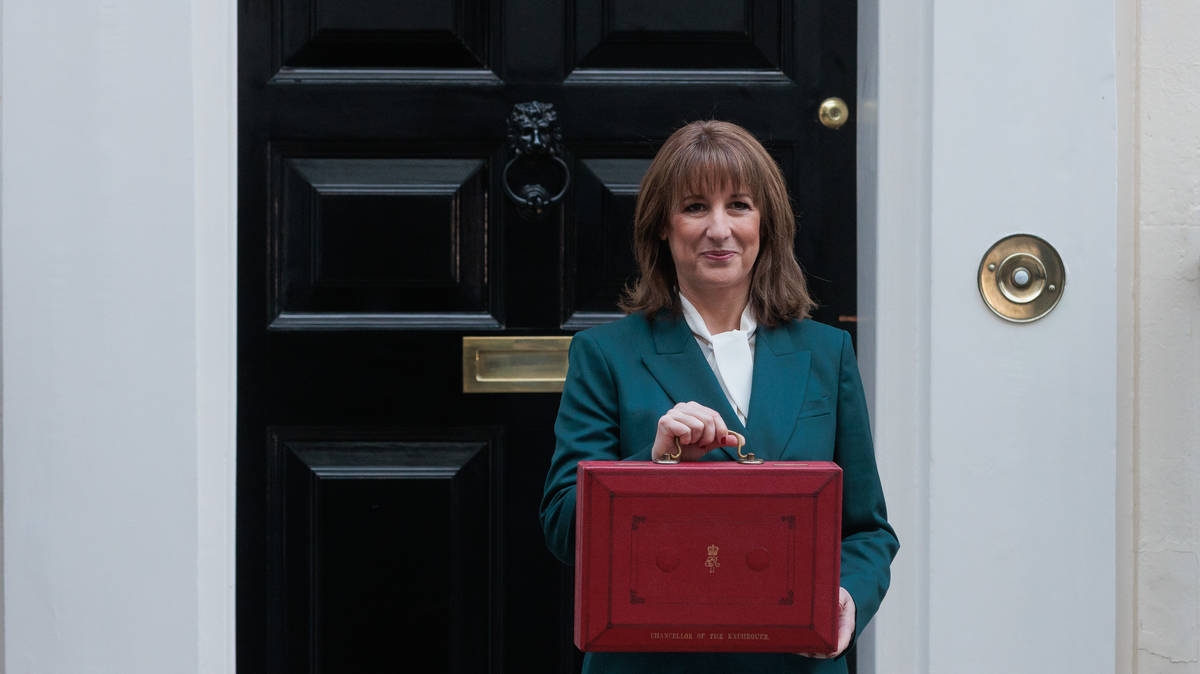
Edward Glyn, head of global markets at Calastone, blamed the extended period of severe outflows on Reeves’ budget and the period of uncertainty in the run-up to her statement.
He said: “The political narrative has played havoc with UK savers in recent months. Never have we seen such consistent or large-scale selling before.”
While inflows restarted on the last three days of trading in November, they halted again suddenly on the day of Ms Reeves’ budget announcement.
Read more: Rachel Reeves living in ‘la la land’ and could be prosecuted over Budget chaos, says Badenoch
Read more: OBR denies it is ‘at war’ with Treasury after unprecedented Budget leak
Mr Glyn said: “The sudden halt in equity-fund outflows that took place after the budget was delivered is clear evidence many investors were selling their holdings as concerns rose at the possible curtailment of pension lump sum withdrawals, or of further capital gains tax hikes.”
With no boom in economic growth, stubbornly high inflation and the mounting costs of government debt, some economists warned Ms Reeves needed to £50 billion to fill a black hole in the nation’s finances.
Glyn said the recent period of policy uncertainty “clearly unsettled investors” and may have prompted reactive decisions some “may later regret.”
He added: “Savers benefit most from clarity and consistency, so they can plan properly for long-term goals.”
There were moves to boost investment in UK shares in the Budget, such as a three-year stamp duty holiday for stocks bought in new London listings.
But there was a blow to investors with an unexpected increase in dividend tax, rising by 2% for basic and higher rate taxpayers next year.
The figures from Calastone showed North American and UK-focused equity funds were the hardest hit by outflows, with the former seeing a record £812 million and the latter £847 million.
Alongside the Budget worries, appetite for equities is also likely to have been impacted by concerns that the artificial intelligence (AI) and US tech bubble may be on the brink of bursting.
Investors flocked to safe haven investments, with money-market funds seeing record inflows of £1.25 billon in November.
Mr Glyn added: “It’s hard to disentangle Budget jitters from nerves about equity valuations, but the inflows to safe-haven money-market funds do indicate rising risk aversion.”