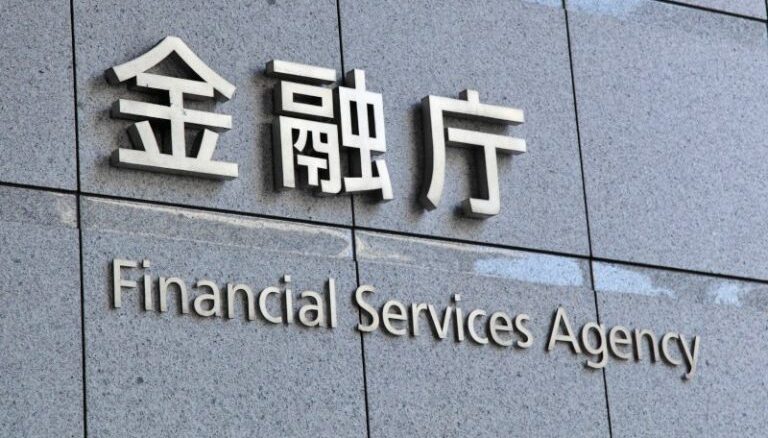
In what could be the biggest policy change in the digital asset space this year, Japan’s Financial Services Agency (FSA) plans to completely update its regulatory framework for cryptocurrencies. The FSA has proposed a new regulatory framework that would, for the first time, classify over 100 of the leading cryptocurrencies as “financial products” and bring those cryptocurrencies into the same legal classification as stocks and bonds.
This is far more than a simple relabeling. The move, which the FSA aims to present to parliament in 2026, would fundamentally change the game for investors, exchanges, and even banks. The proposal is a two-pronged attack: it aims to simultaneously legitimize the asset class with massive tax breaks and investor protections while cracking down on the “Wild West” elements of the market, like insider trading.
The ‘55% Problem’ and the 20% Solution
For the average cryptocurrency investor in Japan, the most thrilling aspect of this proposal is the enormous potential tax savings that could be realized. Currently, profit from cryptocurrencies is classified as “other income.” As a result, high-earning traders can take home a whopping 55% tax rate, which is one of the highest in the world. Essentially, this proposed plan by the FSA will eliminate that categorization. By distinguishing first-level assets such as Bitcoin and Ethereum as financial products, the profits can now be taxed as capital gains. This categorization would allow them to be taxed at the same taxed rate of 20% that applies to stock market profit. This one change could result in a flood of new investments and establish Japan as one of the best markets for crypto investors worldwide.
A New Era of Transparency
In exchange for this tax break, there is lots of Wall Street-type transparency. If cryptocurrencies are to be treated like stocks, they must be governed by the same rules. The FSA proposal would obligate exchanges to provide comprehensive disclosures for the 105 leading digital assets they list.
This means exchanges can no longer simply list a token that has gained popularity. As part of the new legal structure, they will be required to disclose information about the coin’s issuers, about the technology underlying the coin, provide a volatility profile for the coin, and address other serious risks. This is meant to put an end to the anonymity and complexity that surround so many projects, and create a level of investor safety that does not currently exist.
Japan Targets Crypto Insider Trading
By putting crypto under the Financial Instruments and Exchange Act (FIEA), Japan is also taking direct aim at one of the more persistent problems in the space: insider trading. Until now, the ability to trade based on non-public information, such as an exchange is about to list a new token, or that a project is about to experience a major security flaw, has occurred in a legal gray area.
The FSA’s new rules would make this practice explicitly illegal, just as it is in the stock market. Persons or companies engaged in trading on “non-public information” are subject to investigations, substantial fines, and possibly criminal referrals, all which would bring a new degree of market integrity to the industry.
Paving the Way for Bank
This proposal represents the second component in a larger and more strategic puzzle. It follows a separate, recent initiative from the FSA to consider allowing Japanese banks and trust companies to legally hold and invest in (for themselves) cryptocurrencies. Since 2020, banks have been restricted from such activities due to volatility concerns.
Seen together, the FSA’s strategy becomes clear: first, propose rules that allow traditional financial giants to enter the market. Second, “clean up” that market by imposing strict transparency and fair-trading rules. This clears the path for major institutions to engage with digital assets with regulatory certainty.
A Global Blueprint for Regulation?
While the United States and European countries struggle to sort through how to regulate digital assets, Japan is offering a clear and thorough plan. Instead of trying to ban crypto or invent an entirely new set of rules, the FSA is choosing integration. It is methodically pulling the mature parts of the crypto world into its existing, proven financial framework.
If the Japanese parliament passes the legislation in 2026, this move will be closely watched by finance ministers around the globe. Japan is not just regulating crypto; it is providing a potential model for how to balance innovation with accountability, and it may have just set the new global standard.