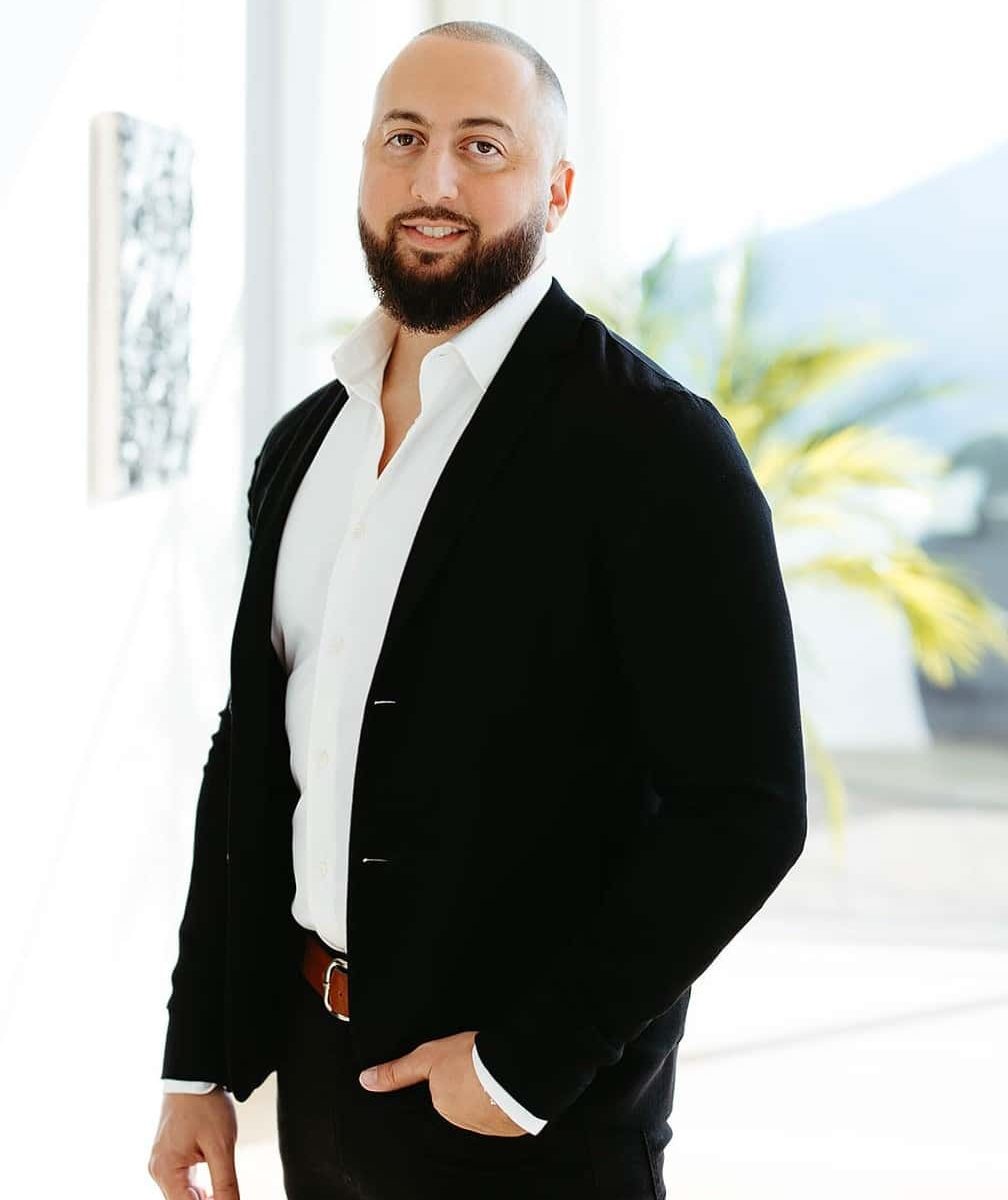

Commercial real estate development demands more than capital and ambition. It requires the ability to coordinate complex stakeholders, anticipate market shifts, and deliver projects that hold up long after a ribbon is cut. Alex Shalavi, a Partner at Bridge Capital Partners, has built a professional practice around exactly that kind of disciplined, full-cycle approach to real estate investment and development.
His work spans high-growth markets on the West Coast and across the Midwest, with a portfolio that reflects both breadth and intentionality. For investors, development partners, and industry professionals looking to understand what serious commercial real estate leadership looks like in practice, Alex Shalavi’s work offers a compelling model.
A Foundation Built on Full Lifecycle Oversight
One of the distinguishing characteristics that Alex Shalavi has, is the commitment to leading projects from initial concept through stabilization. At Bridge Capital Partners, that means ownership of every major phase of a development effort, not just the headline moments. That full-lifecycle scope includes:
- Acquisition strategy: Identifying and underwriting opportunities aligned with market fundamentals
- Entitlement: Working through regulatory and zoning processes to position projects for approval
- Design coordination: Collaborating directly with architects and design teams to ensure each project is both functional and contextually sound
- Construction management: Overseeing contractor relationships and holding timelines and quality standards throughout the build
- Asset stabilization: Transitioning completed properties into performing, well-positioned assets
This end-to-end involvement is not simply a matter of professional style. It reflects a practical understanding that decisions made in the earliest stages of a project have cascading effects on what gets delivered at the finish line. By staying engaged across every phase, Alex Shalavi helps ensure that no critical detail gets lost in the hand-off between stages.
Repositioning and Ground-Up Development: Two Distinct Disciplines
Within Bridge Capital Partners’ broader investment strategy, Alex Shalavi focuses on two primary development tracks: property repositioning and ground-up development. Each requires a distinct skillset, and each demands a clear-eyed read of the market.
Property Repositioning
Repositioning work involves identifying underperforming or underutilized assets and executing a strategy to improve their performance and market position. This kind of work requires an accurate diagnosis of why a property is not reaching its potential, and then a credible, well-resourced plan to address it. The work is often complex, layered with operational, physical, and financial variables that have to move together.
Alex Shalavi brings both operational discipline and market insight to this process. His hands-on leadership style means that repositioning projects are not managed from a distance. They are driven through direct engagement with the teams, vendors, and stakeholders responsible for execution.
Ground-Up Development
Ground-up development is a different kind of challenge. Building from scratch requires alignment across a wide field of contributors: architects, engineers, contractors, municipal partners, and community stakeholders. Timelines are longer, risk surfaces are broader, and the room for error at each stage narrows as the project advances.
The emphasis on thoughtful design and strategic planning that characterizes Alex Shalavi’s development practice reflects a recognition that ground-up work has to be right from the beginning. Once a foundation is poured, the flexibility to course-correct diminishes significantly.
Collaboration as a Core Operating Principle
Successful commercial real estate development is a team effort, and the quality of that team, and the relationships within it, directly shapes what gets built. Alex Shalavi’s approach to project leadership centers on close, productive collaboration with the full range of professionals involved in a project’s lifecycle. That collaboration extends across several key relationships:
- Architects and design professionals: Working alongside design teams from early in the process to align aesthetic and functional goals with project economics and community context
- Contractors and construction teams: Maintaining active oversight of construction to ensure quality standards are upheld and timelines remain on track
- Municipal and regulatory stakeholders: Engaging productively with local governments and planning bodies to facilitate entitlements and build working relationships that support long-term development activity
- Internal teams at Bridge Capital Partners: Coordinating across the firm’s operational and investment functions to keep projects aligned with portfolio-level goals
This collaborative posture is not incidental. In commercial real estate development, the ability to build and sustain productive working relationships across a diverse set of professionals is often what separates projects that get built, on time and on budget, from those that stall or underperform.
Quality, Community Impact, and Long-Term Value
Across both repositioning work and ground-up development, Alex Shalavi maintains a consistent focus on three interconnected priorities: quality, community impact, and long-term value. These are not separate objectives that compete with each other. They reinforce one another.
A property developed with quality in mind tends to perform better over time. It attracts stronger tenants and users, requires less remediation, and depreciates more slowly. A project that accounts for community context, that fits its neighborhood and serves the people around it, is more likely to earn the regulatory and civic support that keeps a development pipeline moving. And a focus on long-term value over short-term gain produces assets that hold up across market cycles rather than underperforming when conditions shift.
This is the philosophy that runs through Bridge Capital Partners’ work in high-growth markets across the West Coast and Midwest, and it is central to how Alex Shalavi leads each project under his oversight.
Managing Operations Across a National Portfolio
Beyond individual development projects, Alex Shalavi also carries operational management responsibilities across Bridge Capital Partners’ broader portfolio. This work focuses on strengthening performance, streamlining processes, and ensuring that stabilized assets are positioned for long-term sustainability.
Operational management at this level requires a different kind of attention than active development. It is about systems, consistency, and the kind of steady, disciplined oversight that keeps a portfolio healthy through changing market conditions. For a firm with a national footprint and assets across multiple markets, that operational function is a critical part of the overall investment strategy.
About Alex Shalavi
Alex Shalavi is a Partner at Bridge Capital Partners, a commercial real estate investment and development firm operating across the United States with a primary focus on high-growth markets on the West Coast and in the Midwest. His work spans property repositioning, ground-up development, and portfolio-level operational management. Alex Shalavi leads projects across the full development lifecycle, from acquisition and entitlement through construction management and asset stabilization, with a consistent emphasis on quality, community impact, and long-term value.

This content is brought to you by the FingerLakes1.com Team. Support our mission by visiting www.patreon.com/fl1 or learn how you send us your local content here.