

The two most dangerous risks associated with Day Trading are poor loss management and overtrading, that is trading too risky or with too large quantities. Both can result from being overwhelmed by the fast pace of daily Forex market movements. To counter those risks, it is very important for every Day Trader to have a strategy in place and follow it with firm discipline.
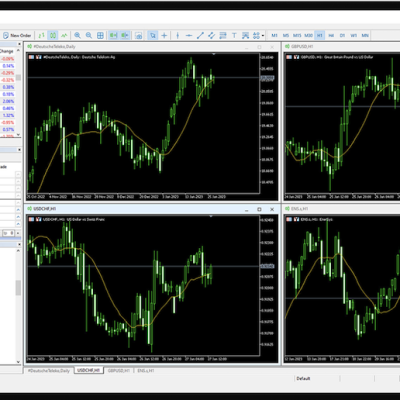
A valid trading strategy is based on technical indicators and tested against historical data; it determines entry and exit points for any trades as well as controls risks. Technical indicators should be the basis of every valid trading strategy. They have three functions, as they alert, confirm and predict. To determine entry and exit points, technical indicators are irreplaceable. There is a huge variety of different indicators, but Day Traders should rather focus on two or three significant ones that complement each other (instead of those that move synchronously and generate the same signal). Successful traders never blindly rely on signals created by indicators alone but keep in mind that those signals have to be read in context, considering other valuable technical analysis tools like candlesticks, trends, or patterns.
Before actually implementing any Day Trading strategies, investors should test them on a demo account that simulates real trading conditions but uses virtual money; it helps to fine tune strategies and eliminate possible bugs. Once the strategy is tested and in place, review is important: Keeping track of an implemented strategy, that is analyzing both good and bad trades, improves it over time – making it more profitable and decreasing the risk.
Discipline is necessary to keep emotions in check when trading in a fast moving market – Day Traders should stick to their strategy under all circumstances and not abandon it in the heat of the moment, risking great losses.
When first starting Day Trading, it is wise to place smaller trades and to monitor them closely. As a rule of thumb, investors should never risk a loss of more than one to two percent on a single trade.
Being a Day Trader requires a considerable amount of time to analyze and monitor the market, as well as a sound knowledge of price movements and indicators. The right education and training are indispensable on the way to becoming a Day Trader. Webinars and Articles like these by Admiral Markets give an introduction to the topics and lay a solid foundation.