KEY TAKEAWAYS
- Shorter RSI periods, like 5-7 on 1-5 minute charts, provide the sensitivity needed to capture quick crypto price swings.
- Widening overbought/oversold thresholds to 80/20 reduces false signals in volatile cryptocurrency markets.
- Always combine RSI with confirmation tools such as volume or EMAs to improve entry accuracy in scalping strategies.
- Backtesting customized RSI settings on historical crypto data is crucial for validating performance before live trading.
- For aggressive scalping, consider 1-3 minute timeframes with RSI levels at 20/80 to target extreme momentum reversals.
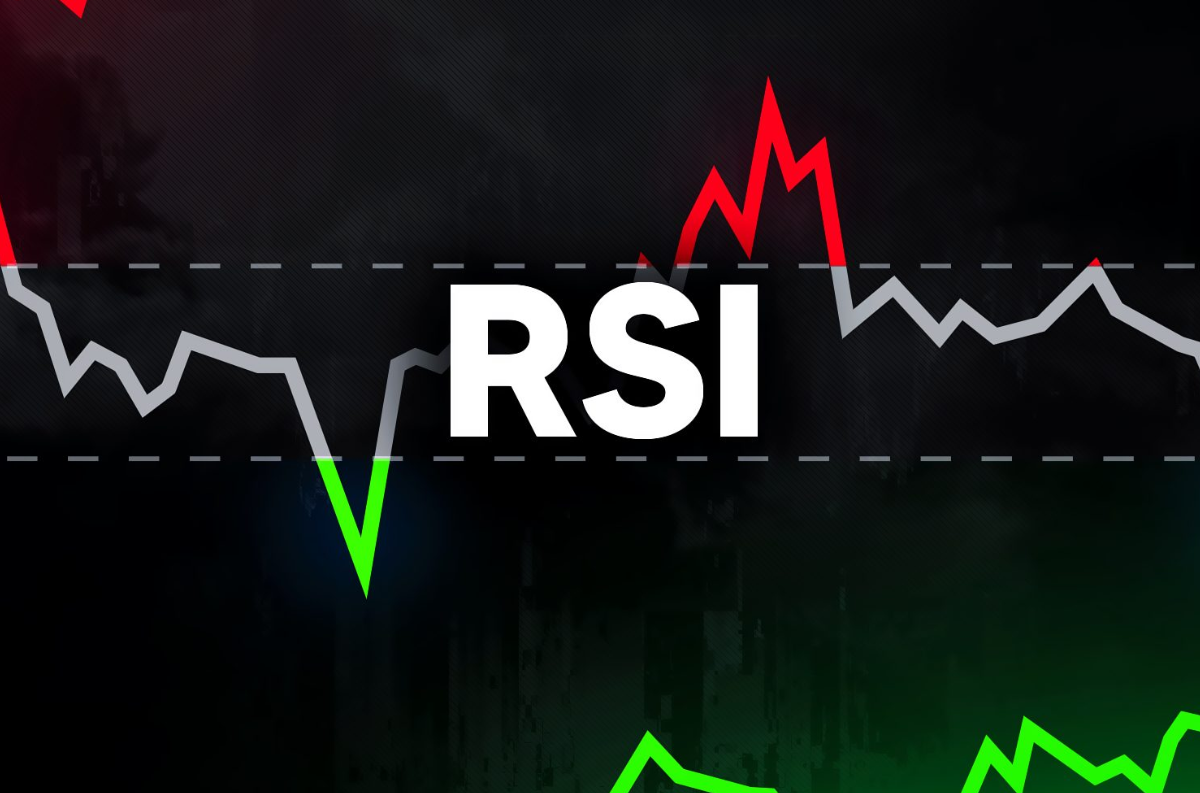
The Relative Strength Index (RSI) is a momentum oscillator invented by J. Welles Wilder in 1978. It measures how fast and how much prices change on a scale from 0 to 100. The RSI is an important tool for cryptocurrency scalping, a high-frequency trading method that seeks to capitalize on small price movements over extremely short periods.
It helps traders find overbought and oversold conditions, possible reversals, and changes in momentum. Because crypto markets are open 24 hours a day, 7 days a week and are quite volatile, normal RSI settings often need to be tweaked to reduce false signals and make entry and exit points more accurate.
This post uses well-known trading resources to examine the best RSI settings for crypto scalping and explains why they work, backed by research.
How to Understand the RSI Indicator
The RSI uses the formula RSI = 100 – (100 / (1 + RS)), where RS is the average gain divided by the average loss, to find the average gains and losses during a certain time period. In traditional circumstances, the lookback time is 14 periods, and the overbought and oversold levels are 70 and 30, respectively.
But in scalping, when trades last from seconds to minutes, these defaults can be slow or make too much noise. Research from trading platforms stresses the importance of adjusting the period and levels to fit the asset’s volatility. This is because cryptocurrencies like Bitcoin and Ethereum can change quickly, and indicators need to be more responsive.
Standard RSI Settings vs. Settings Made for Scalping
The standard RSI (14-period, 70/30) is good for trading over a longer time frame, but it doesn’t perform as well for scalping because signals are delayed in fast markets. Optimized settings minimize the time required to enhance sensitivity, allowing traders to catch sudden swings in momentum.
For example, a shorter time frame, such as 5–9, can help identify early reversals in unstable markets, but it also increases the risk of false positives.
Because market conditions change, analysts suggest backtesting these changes using prior crypto data to get a better idea of how well they work. In crypto scalping, you aim to strike the right balance between signal frequency and accuracy. This is often done by widening thresholds to avoid whipsaws when the market is choppy.
The Best RSI Times for Crypto Scalping
Many people say that intervals of 5 to 7 are best for scalping on 1-minute to 5-minute charts since they respond quickly to price changes and have less latency.
A 9-period RSI is a good choice for slightly longer scalps on 5-15 minute periods since it lets you get in on intra-day swings earlier. When it comes to cryptocurrency trading, shorter time frames like 5 or 6 hours work well given the market’s 24/7 liquidity and abrupt volatility spikes.
This allows traders to scalp during periods of heavy volume. On the other hand, a 14-period RSI on 1-minute charts reduces the likelihood of false signals for more cautious scalpers, but it can miss short-lived opportunities. Studies show that intervals of less than 10 are best at catching momentum in assets like BTC/USDT, where prices can change by 1% to 2% in a matter of minutes.
Why do these things work? Shorter time frames make you more sensitive to recent price fluctuations, which is very important in crypto’s mean-reverting ranges or breakout situations.
An RSI 5 on a 1-minute chart, for instance, can show that something is oversold faster than an RSI 14, which lets you buy quickly at support levels. Experts, on the other hand, warn that short periods make noise worse, which is why win rates need to be checked on platforms like TradingView.
Changing the Levels of Overbought and Oversold
For scalping, the default limits of 70 (overbought) and 30 (oversold) are generally too narrow, leading people to exit too soon. Optimized levels range from 80/20 to 75/25 to focus on real extremes and reduce misleading signals in crypto pairs that are moving a lot.
For aggressive scalping, 90/10 or 80/20 thresholds let you enter at deeper pullbacks. This works well in moving markets when the RSI stays in extremes. In the world of crypto, settings like 70/30 still work on shorter timeframes, but for highly volatile assets, it’s better to go to 80/20 to avoid overtrading.
The reason is volatility adaptation: News and emotions affect crypto markets more than forex markets, which makes the RSI go to extremes more often. Wider levels filter out these levels, which improves the signal.
Massimo, an analyst, says that “a lower value like 30 for oversold and a higher value like 70 for overbought can work,” however, testing with 20/80 on 1-3 minute charts works better for scalping. Studies from trading groups underline that combining adjusted levels with volume confirmation makes them more reliable.
Good RSI Strategies for Crypto Scalping
When the RSI crosses above 20–30 on a 1-minute chart, a common strategy is to open long trades. A bullish candle and a jump in volume confirm this.
For divergence, a bullish divergence (when the price makes lower lows and the RSI makes higher lows) means that a reversal is possible. This is great for scalping ranges in altcoins. In Bitcoin, use the 50-period EMA and other moving averages with the RSI to filter trends. Only enter in the direction of the higher timeframe trend.
Why they are successful: These setups take advantage of RSI’s ability to find momentum in crypto’s fast cycles, where sudden fatigue causes reversals.
As we said previously, backtesting is very important: “Backtest your RSI parameters on the exact timeframes and markets you trade before risking real capital.” Combining with indicators like MACD helps to fix problems, like how RSI lags behind in strong trends.
Using RSI with Other Indicators
Combine RSI with other metrics, such as volume, EMA crossovers, or ATR for stops that take volatility into account, to make up for its flaws.
Use RSI and Bollinger Bands together to tell breakouts from reversals in crypto scalping. Enter when RSI hits extremes at the edges of the bands. This hybrid technique, which is backed by science, increases accuracy by validating signals across a number of data points.
Risks and Best Practices
Optimized RSI makes scalping better, but it also comes with hazards like overtrading and slippage in crypto pairs that aren’t very liquid. Best techniques include stringent risk control (1% per trade), staying away from news events, and doing regular backtesting. Analysts stress that there is no one-size-fits-all setup; each asset needs its own.
FAQs
What is the best RSI period for scalping crypto on a 1-minute chart?
A 5-7 period RSI is often recommended for its responsiveness, though a 14-period RSI can offer fewer false signals when combined with adjusted thresholds.
How do I adjust RSI levels for high-volatility crypto pairs?
Widen levels to 80/20 or 75/25 to filter noise, allowing entries only at true extremes in assets like Ethereum or Solana.
Can RSI be used alone for crypto scalping?
No, it should be paired with other indicators like moving averages or volume to confirm signals and avoid whipsaws.
Why is backtesting important for RSI settings in crypto?
Crypto markets vary by asset and time, so backtesting ensures settings align with specific volatility patterns for better win rates.
What timeframes work best with optimized RSI for scalping?
1-5 minute charts for aggressive scalps, or 5-15 minutes for slightly longer holds, depending on the cryptocurrency’s liquidity.
References
- Best RSI Settings for Day Trading – Goat Funded Trader
- RSI Indicator Settings: The Best Configurations for Maximum Trading Accuracy – Axiory
- How can I optimize the RSI settings for scalping in cryptocurrency trading? – BYDFi