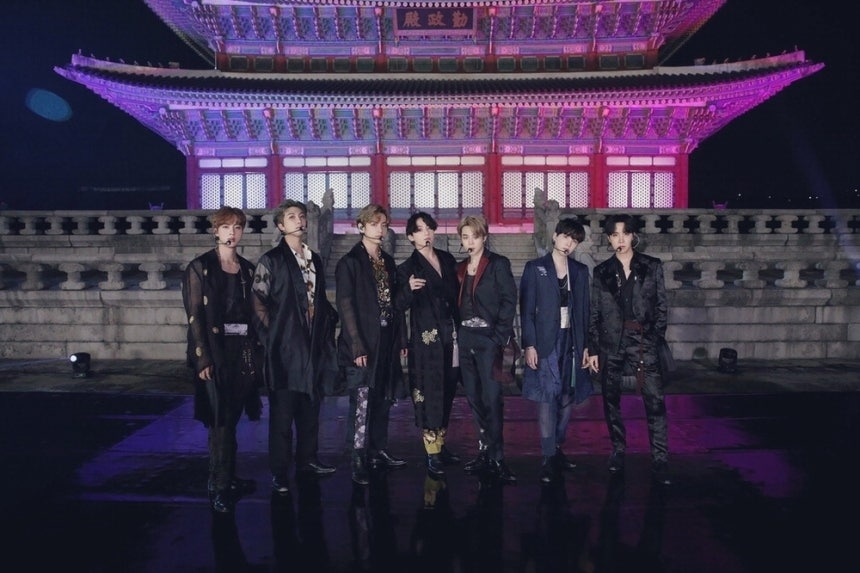
South Korea’s Ministry of Culture, Sports and Tourism said it had identified 1,868 suspected scalping listings tied to upcoming BTS concerts in Goyang and Seoul’s Gwanghwamun area after monitoring major online resale platforms.
Authorities said four cases involving 105 tickets appeared to reflect organized attempts to resell seats at steep premiums, and those cases have been referred to the National Police Agency for investigation.
According to data released by the ministry, the majority of suspected listings appeared on major secondhand marketplaces such as Junggonara and Ticketbay.
Officials noted that the figures include duplicate listings, as monitoring counted individual posts rather than unique sellers.
The ministry stressed that fans who purchase tickets through unauthorized channels are unlikely to gain entry to the concerts due to strict identity verification procedures implemented by event organizers.
For the Gwanghwamun performance on March 21, ticketing relies on a mobile QR code system that cannot be captured or reused once scanned. Attendees must also present official identification at the venue and wear a tamper-proof wristband that cannot be reattached if removed.
Even after entry, organizers plan to conduct random identity checks, with violators subject to immediate removal from the venue.
Promoters have also been monitoring resale postings themselves, canceling tickets tied to suspected violations of the booking policy.
The ministry warned that fans purchasing scalped tickets risk paying inflated prices only to be denied entry, or even falling victim to online fraud.
The crackdown comes alongside broader legislative changes designed to address Korea’s growing scalping problem.
Earlier this year, the government amended both the Performance Act and the National Sports Promotion Act, expanding regulations so that all unfair ticket transactions are prohibited, regardless of whether automated “macro” programs were used to obtain tickets.
Under the revised law, which will take effect Aug. 28, violators may face administrative fines of up to 50 times the ticket price, alongside new reporting rewards and mandatory anti-scalping measures for ticket vendors.
To strengthen enforcement, the ministry also launched a public-private task force on March 5, bringing together ticketing platforms, resale marketplaces and industry groups to coordinate anti-scalping measures.
Authorities are now working with platforms to remove suspicious listings and filter relevant keywords.
Officials also warned that scalping attempts and fraud risks could spike again ahead of additional ticket sales scheduled for March 12 at 8 p.m., urging platforms to intensify monitoring efforts.
Culture Minister Chae Hwi-young described ticket scalping as a practice that undermines the integrity of the performance industry and exploits fans’ enthusiasm.
“Scalping disrupts the fair distribution of tickets and takes advantage of fans’ genuine passion for popular culture,” Chae said in a statement.
“Starting with this investigation request, we will continue firm and sustained enforcement until ticket scalping is eradicated and a fair concert-going culture is established.”
The minister also emphasized that the problem can only disappear if fans refuse to purchase illegally resold tickets.
“Buying scalped tickets not only violates the organizer’s policies but also exposes consumers to serious risks of fraud,” Chae said. “Tickets should always be purchased through official channels.”
gypark@heraldcorp.com