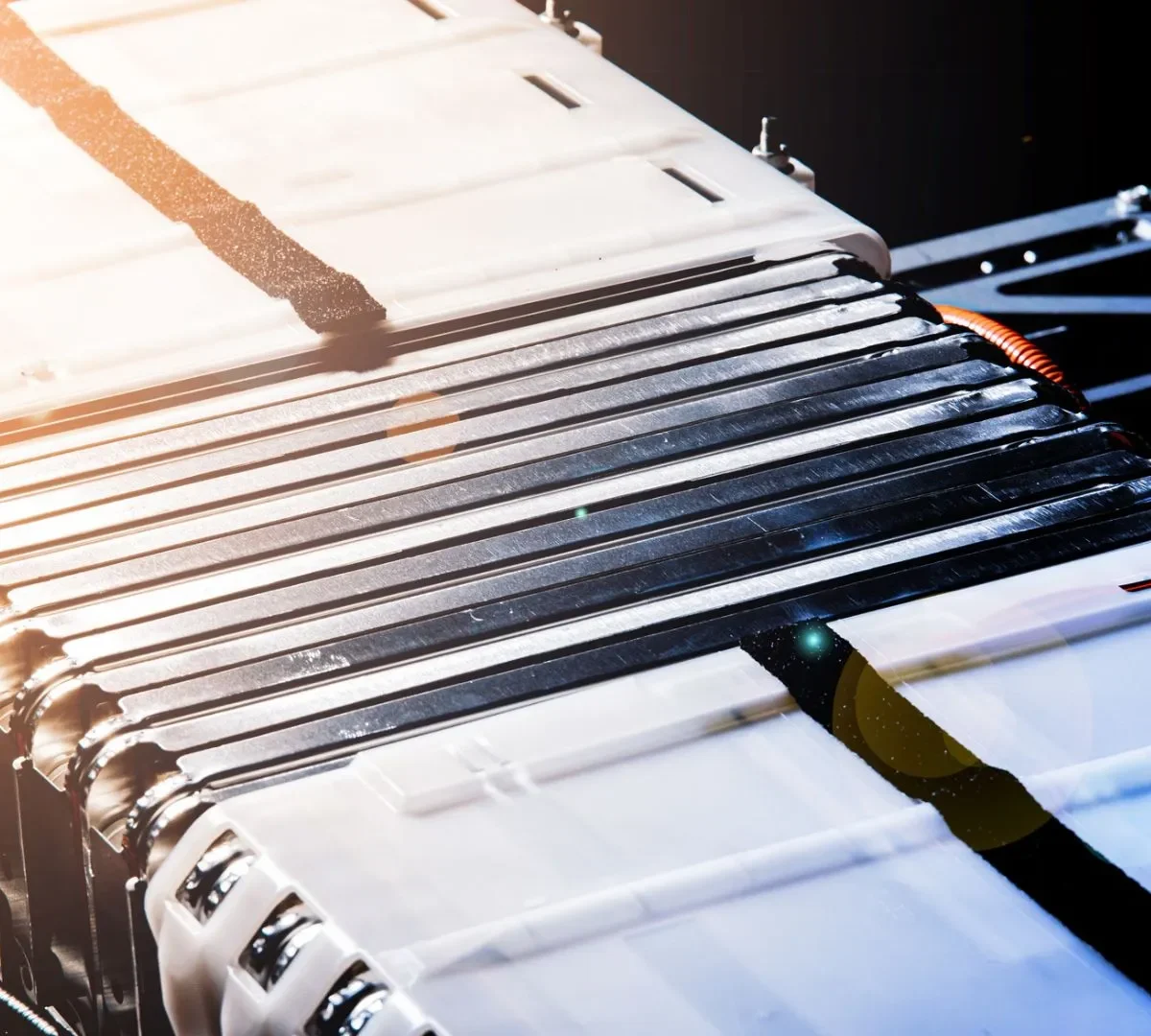
An international research team has identified electrochemical presodiation as the superior strategy for stabilizing a new generation of low-cost sodium-ion batteries (SIBs) derived from lavender flower waste.
This breakthrough addresses the critical “sodium reservoir” shortage that has previously hampered the performance of bio-based battery materials.
“The development of cost-effective, high-performance sodium-ion batteries (SIBs) is essential for large-scale energy storage systems,” said the researchers in a new study.
While lavender is globally prized for its fragrance, its agricultural residue—totaling approximately 1,000–1,500 tons annually—has long been an underutilized byproduct.
Scientists have now successfully converted this flower waste into hard carbon (HC) for use as a high-performance battery anode.
Testing reveals strong performance
The natural microstructures of the plant tissues are preserved during the conversion process, which significantly enhances electrolyte penetration by allowing for faster movement of ions and increases sodium diffusivity to improve the overall speed and efficiency of the battery.
To create a functional “full-cell” system, the lavender-derived anode was paired with a P2-type cathode (specifically Na0.67Mn0.9Ni0.1O2). Researchers found that incorporating Nickel (Ni) into the cathode structure was vital, as it improved both electronic conductivity and structural stability.
“We developed cost-effective sodium-ion batteries using Na0.67MnNiO2 as the cathode and lavender flower waste-derived hard carbon as the anode and also compared its performance with various presodiation strategies, including direct-contact, electrochemical, and chemical methods,” added the study.
Electrochemical testing of the individual components revealed a cathode capacity of 200 mAh/g with a 42% retention after 100 cycles, while the anode capacity reached 360 mAh/g with a 67.4% retention after 100 cycles.
“Plant-derived hard carbons are both sustainable and economical,” the researchers explained.
“This work highlights the potential for developing SIBs with widely accessible precursors, ensuring scalability for the global energy transition.”
Analyzing presodiation strategy
One of the primary challenges in this system was the “sodium deficiency” inherent in using these sustainable materials.
To bridge this gap, the team systematically compared three presodiation methods to “pre-load” the battery with extra sodium before use.
While the direct contact method offered the highest initial capacity at the cost of lower long-term stability, and chemical presodiation provided a scalable application despite variable consistency, it was electrochemical presodiation that delivered superior cycling stability and enhanced energy density.
The study concluded that electrochemical presodiation provided the best balance, delivering the enhanced energy density and long-term durability required for commercial stationary energy storage systems.
Structural characterization for scalability
“The structural properties of both electrodes were thoroughly characterized using common techniques including X-ray diffraction (XRD), scanning electron microscopy (SEM), X-ray photoelectron spectroscopy (XPS), Fourier-transform infrared spectroscopy (FTIR), and Raman spectroscopy, as well as unconventional methods such as in situ synchrotron X-ray absorption fine structure (XAFS) spectroscopy to track real-time structural and electronic changes,” explained the study.
These revealed that the cathode maintains a stable hexagonal structure, while the lavender-derived anode possesses a porous surface ideal for sodium storage.
“This comprehensive study highlights the potential for developing SIBs with low-cost and sustainable electrode materials,” concluded the researchers.
“The optimization of presodiation strategies offers an opportunity for advanced commercial and scalable SIB technologies.”