
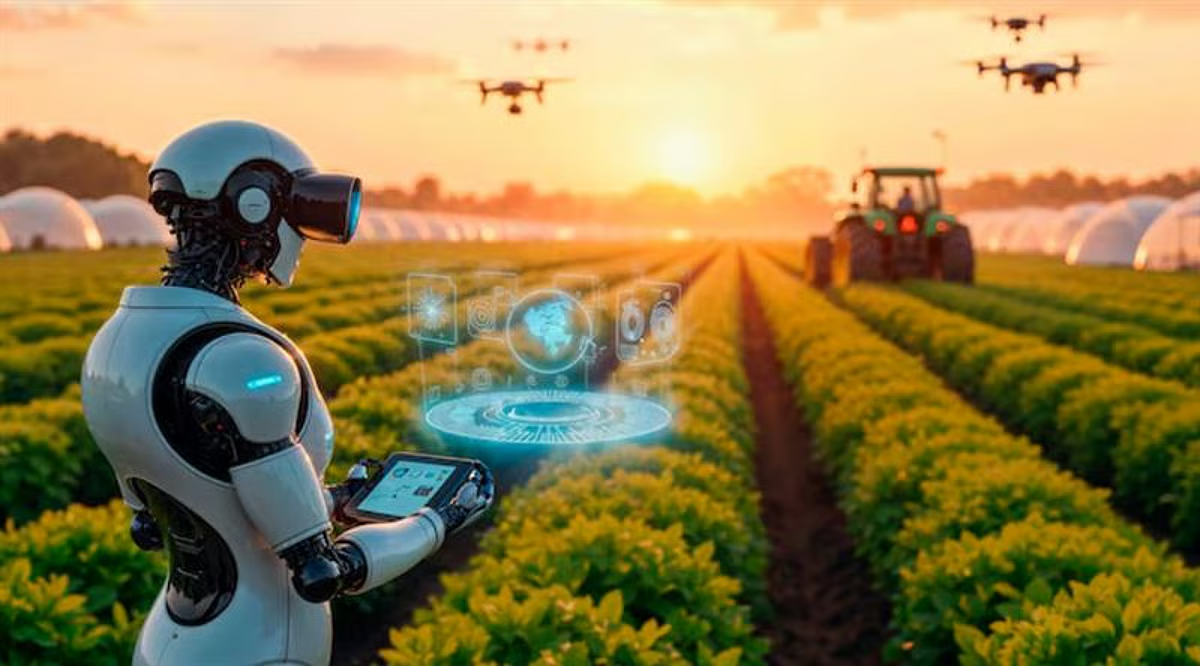
The two main dangers that faces are pests and diseases because these threats spread rapidly and produce damage before farmers are able to respond. The AI-powered detection systems bridge this monitoring gap through their ability to provide continuous crop monitoring throughout the growing season.
The systems use data from ground sensors, field cameras, drones, and satellite imagery to monitor minor plant color changes and shape alterations and growth pattern development, and canopy structure modifications, which occur before plants become visibly damaged.
The system’s primary advantage lies in its ability to issue early warnings. can begin early intervention through this method, which enables them to identify and eliminate infected zones before the entire field becomes contaminated.
The method directs treatment to specific locations, which results in reduced need for full chemical application, thus decreasing expenses while protecting soil resources, aquatic environments, and helpful insect populations. The method slows down the development of pesticide resistance, which has become a major issue for intensive agricultural practices that scientists use.
The agricultural field has experienced another significant transformation through modifications in its workforce requirements. Traditional pest and disease management requires regular field inspections, which consume considerable time while delivering inconsistent results and become increasingly hard to conduct in areas that struggle with worker shortages.
The automated analysis process takes over most of the mundane tasks, which enables farmers and agronomists to concentrate on decision-making duties instead of monitoring tasks. The system delivers three benefits, which include faster response times, consistent monitoring, and improved crop protection results.
The systems protect crop yields while promoting sustainable farming methods through their operational functions. Farmers preserve their water resources by controlling chemical use through targeted treatment applications that occur at necessary times on their fields, which helps them reach sustainability production standards that regulators, markets, and consumers increasingly demand.
Also Read: