
FatCamera / Getty Images/iStockphoto
There are numerous ways to make money as an investor — and just as many ways to lose it. That’s why most investors are advised to take a long-term approach that helps them ride out losses while the markets recover.
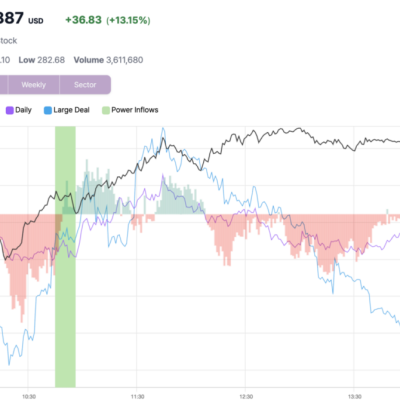
Day traders are different. They take a high-risk approach that involves buying and selling securities within a single day. The goal is to lock in short-term gains that accumulate and compound over time.
Read Next: 5 Ways You Can Reduce Your Tax Bill Like a Millionaire, According to Robert Kiyosaki
Explore More: 5 Low-Effort Ways To Make Passive Income (You Can Start This Week)
It’s a potentially lucrative strategy if you’re a professional investor with plenty of resources and expertise to tap into. But if you don’t have those resources, you can lose a lot of money in a hurry. Those losses can extend beyond just the trades themselves. You can also take a big financial hit when it’s time to file tax returns.
Here’s a look at a couple of tax costs that most new day traders don’t see coming.
‘Wash’ Sales
“Wash” sale is the term used when you sell a stock at a loss and then buy back “substantially the same stock” within 30 days before or after that sale, according to Jay Zigmont, Ph.D., a certified financial planner (CFP) and founder of Childfree Trust, which provides estate services to people without children.
So how can this create money problems? Zigmont related the story of a Saturday morning call he got from a 24-year-old client.
“He had been day trading and had made about $200k on his investments, but owed about $2 million in taxes,” Zigmont told GOBankingRates. “It sounds wrong, but it is possible to owe more in taxes than you made from day trading if you have ‘wash’ sales … The loss from the sale is disallowed, meaning the loss never happened.”
And as Fidelity noted, you should also keep in mind that you “cannot get around the wash-sale rule by selling an investment at a loss in a taxable account and then buying it back in a tax-advantaged account.”
Learn More: The Estate Planning Secret the IRS Doesn’t Want You To Know, According To John Liang
Higher Tax Liability
Even if you avoid wash sales, day trading will “most likely be taxed as income tax” rather than capital gains, Zigmont said. This means you end up paying higher taxes.
“It is possible to file for trader tax status with the IRS, but you need to be in the business of trading and meet a series of requirements,” he said. “Once you have a trader tax status, you can save on your taxes, but you need to make sure to follow all of the guidelines exactly. Alternatively, if you want to day trade and avoid tax issues, do your day trading in your IRA.”
Editor’s note: This article is for informational purposes only and does not constitute financial advice. Investing involves risk, including the possible loss of principal. Always consider your individual circumstances and consult with a qualified financial advisor before making investment decisions.
More From GoBankingRates
This article originally appeared on GOBankingRates.com: The Tax Cost of Day Trading: What New Investors Don’t See Coming