In the broader equity market, benchmark indices fell around 2% each, marking the worst week for Dalal Street since March 2020. The Sensex has slipped below the 75,000 mark, while the Nifty is nearing the 23,000 level, and analysts warn that the sell-off may not be over yet as military tensions in the Middle East escalate and crude prices continue to surge.
Analysts said the rise in US Treasury yields and the strengthening dollar have further contributed to the decline in reserves.
Even at $716.81 billion, India remains the fourth-largest holder of foreign exchange reserves, after China ($3.57 trillion), Japan ($1.24 trillion) and Switzerland ($952.7 billion), while remaining ahead of Russia ($620.8 billion). At current levels, the reserves are sufficient to cover about eight months of imports.
Gaura Sen Gupta, economist at IDFC First Bank, estimated that the decline reflected net dollar sales of about $6.1 billion by the RBI, along with valuation losses of roughly $5.4 billion.
“The RBI sterilised the liquidity impact of the dollar sales through on-screen bond purchases,” she added.
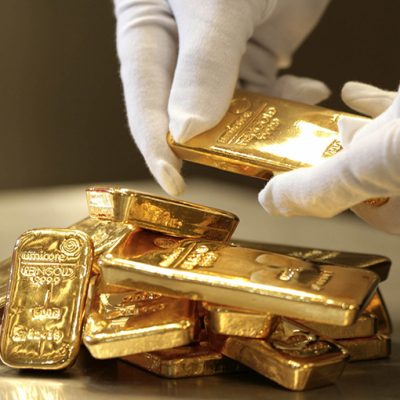
Much of the decline came from foreign currency assets, the largest component of the reserves, which fell $9.8 billion to $563.245 billion. Meanwhile, the value of gold reserves — about 810 tonnes — declined by $1.6 billion, as bullion prices have softened since the war began.
Foreign currency assets, expressed in dollar terms, include the effects of appreciation or depreciation of other currencies such as the euro, the pound and the yen held in the reserves.
Foreign exchange reserves also include the country’s reserve tranche position with the International Monetary Fund (IMF), which declined by $45 million to $4.828 billion during the week.
Meanwhile, gold reserves fell by $1.612 billion to $130.017 billion, while Special Drawing Rights (SDRs) declined by $146 million to $18.720 billion.