Cattle end mixed on Wednesday, hogs extend gains. Grains ended mostly higher.
Cattle Pause Just Off Fresh Highs
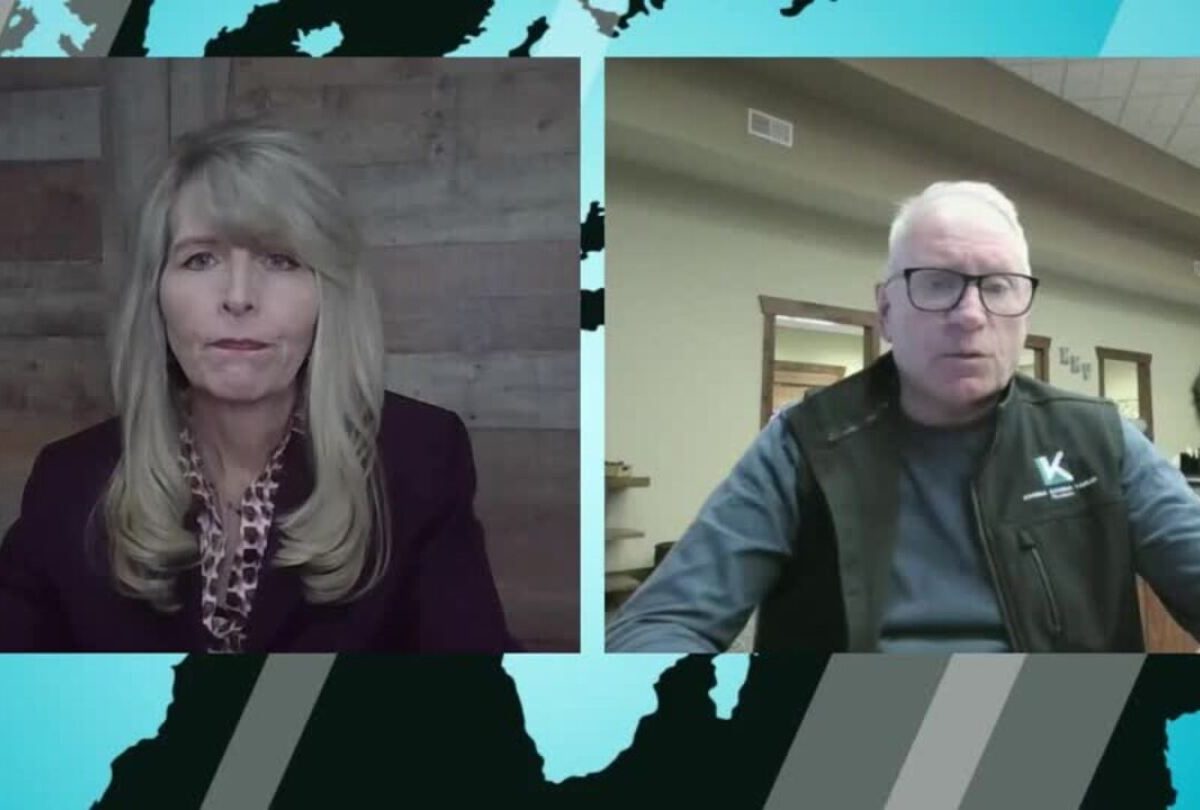
Cattle futures paused Wednesday and consolidated under some new highs for the move scored on Tuesday when the cattle futures were working in higher cash trade. Brad Kooima of Kooima Kooima Varilek says futures are getting overbought and ran into another layer of chart resistance.
“I think yes to the chart resistance. You had some of the months. I’m looking at the April contract. You know, we gapped higher yesterday, got right up against the high that we had made here about two weeks ago and then pulled back. But really,
the pattern of the day, I didn’t feel bad at all about Michelle. We started out lower early, old saying from an old guy, bull markets start lower every day, and then they can’t keep them that way. We’ve all sat through these bear market deals where the market tries to rally early, only to see it erode and erode and you know it’s like watching a soccer game with stoppage time you just wish the market would close before it gets any worse right and so I thought all and all not a bad day.”
Higher Cash This Week?
Last week’s five area weighted average steer was at $245.62, up $4.31. However, there was already some cash trade this week at $249 in Texas and $250 in Iowa says Kooima. So he thinks both the North and South will see higher cash at $250 this week. “We’ve got leverage and you know, it’s three weeks in a row, sharply higher on the cash market. And I think we got a real shot at being higher again this week. So I would guess, knowing the packers, I wonder if they’re going to wait until after the Cattle on Feed report in hopes that maybe somehow that report’s bearish enough that they don’t have to chase. But I think a lot of asking prices are on that $2.50 mark. And I guess I’m going to stick to my guns. And I’ll say that. I think we’re going to get there.”
Markets Into Tightest Numbers
The market is into the tightest cattle numbers so packers are scrambling and that also gives Kooima ammunition for the prediction.
“I had felt that somewhere late in the first quarter was when our numbers were going to be the tightest. I mentioned on your program, too, I was a little worried about the breakevens and some of these yearling cattle are very, very high. You know, $250 or more. You know, there’s, the irony lost on me that you could you could get $250 and the cattle not make money. Now that we have reached these levels the the odds of us staying more current or being more willing sellers are also I think improved you know a lot of these a lot of the the feed yards have consciously added weight to the cattle to lower their break evens okay um and And that’s very evident.”
However, he says show lists up in the North are the shortest they have been, basically for this entire bull market cattle cycle and yearlings are hard to find. “And, of course, the South is still affected largely by, you know, the border being closed.”
New Highs?
Kooima thinks with higher cash the futures market will take a run at the gap area, “And then I find it hard to imagine that the market’s going to go right up to that gap for anybody that’s ever looked at a chart in their whole life. And then that’s going to be the magic number. That would be the first time. It’s not that easy. And so I wonder if we get close and fail or actually, I feel like maybe the odds are better that if this cash continues to perform like this, we might just take a run at taking a shot at taking those highs out. And maybe that’s a high that maybe you and I will be talking about for a while. So I feel like if this was a football game, I think we’re in the fourth quarter, okay, toward the end of this bull cycle, because I just worry that either a weight problem or something with the news of the economy or who knows, whatever, beef’s too high, if that rears its head again with some other attempt to change that. You got a border that could open. You know, I just, I like the market. I’m bullish, but let’s be careful up here. It’s been a heck of a move.”
Possible Greeley, CO Plant Strike
The market is also cautious ahead of a possible strike at the JBS plant in Greeley, Colorado. The vote on whether workers strike or accept the company’s offer will be decided on Friday.
Kooima says,”If you are a packer and you’re having this kind of a work stoppage, you know, it’d be one thing if you’re making $300 a head on everything you’re killing, but the opposite is the case. I mean, cattle are hard to find, you’re losing money on all the ones that you’re killing now. There is a terrible lot of formula cattle that go through there. That might impact her thinking a little bit. But, you know, it seems like in a way it’d be no better time for a work stoppage than now. So I don’t want to imply anything at all, but to me, the risk of at least a temporary work stoppage here. These negotiations have been gone on for over eight months, and they haven’t reached an agreement yet. So I know I’m watching it to see if there’s maybe a little bit of temporary negative news that might hit the market here over the weekend. I hope not.”
However, the knee jerk reaction will be negative as this is a 5,400 head plant and one of the biggest in the JBS system.
Cattle on Feed Positioning
The market is also gearing up for the USDA Cattle on Feed Report. Early guesses show placements down 4% and marketings also down 13%. He says the marketings number is no surprise. “Especially when you’re talking about less cattle on feed and then the fact that they’re just consciously making them, feed them longer, making them bigger. This is the second report that is a comparison to when the border has been closed. So, you know, you’re talking three or four percent less of a very small number of placements, just so everybody remembers that on feed at 98.5%. Also comparing to a smaller number, We’ll see what’s where that marketing number comes out. The guess, like you said, 87, I don’t know that the market, unless there’s some major surprise, I don’t think the market will spend a lot of times dwelling on the numbers unless they’re completely different than the guesses.”
Hogs Up a Second Day
Lean hog futures were higher for a second day on continued short covering. The market got oversold but Kooima says funds have been slow to get out of their massively long position. “You know, the funds really haven’t budged. Not really. I thought I thought maybe we’d see a big drop in the open interest here on this break. I guess that’s going to cut two ways. So tomorrow’s the third day up. I know that’s an oversimplistic way to look at it, but sometimes I overthink it. I think we’re going to learn a little bit more about the hogs tomorrow. If we can sustain a third day up against this downtrend that we just started here, then maybe I’ll feel differently. Right now I’m more inclined to sell rallies because I think that global demand has been not great. Domestic demand is good, but a lot of hogs coming at us here. And I think we’ve ran that, you know, disease story about as far as we can go. So let’s see what happens here tomorrow. If I had a guess it, I’d say open higher and fail, but we’ll see.”
Corn and Soybeans End Nearly Flat
Corn and soybeans ended nearly flat after early strength despite the rally in wheat and new contract highs in soybean oil. Soybeans made new highs for the move early but failed at resistance and Kooima thinks the market needs confirmation of China business before it can move higher. Additionally, soybean oil is rallying on optimism that EPA will submit proposed RVOs for biomass based diesel for 2026 to the White House this week for final rule and they will show a large increase in blending levels. However, he is fearful the market is getting ahead of itself. “You’d think the administration would be happy to throw a bone at the farmers here but the rally is built on hope and speculation. Let’s hope it come through.”
The corn market held against an emerging uptrend line but thinks it will need more good news to keep rallying. “We need to get thinking about tomorrow on the grains. We need to be thinking about how much, hopefully, less corn acres we
plant, maybe some weather risk. Maybe we’ll talk about this Drought Monitor showing how dry it is in the Eastern Corn Belt. In other words, we need to put this big crop, big acres problem that the corn has here for the last several weeks since that report and starting thinking ahead. Otherwise we’re going to struggle,” Kooima adds.