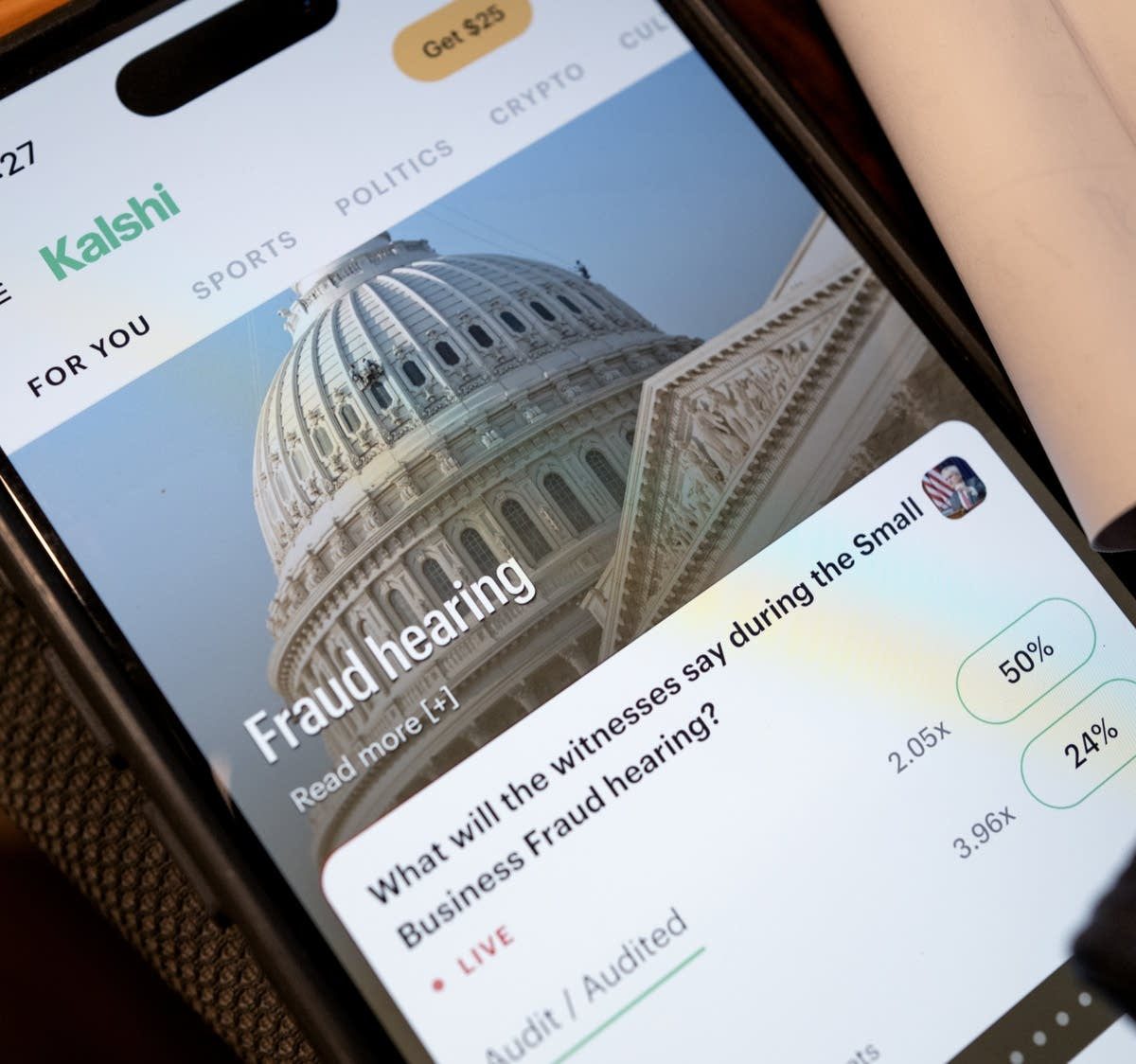
The big prediction markets, Kalshi and Polymarket, are getting deeper into the crypto game.
The Information first reported on Tuesday that Kalshi is preparing to launch “perpetual futures” markets, or perps. These are like prediction markets that never end, tied to the price of an asset, like Bitcoin. Not to be outdone, Polymarket announced it too is getting into perpetual futures, which have have been popular in the crypto world for years but have been trading largely outside U.S. markets — until now.
Traditional futures contracts have an end date. For example, a buyer and a farmer might make a deal on the price for the next wheat crop, which gets delivered at harvest.
Modern futures are often tied to an asset that’s less tangible, like a stock price, though they still have an expiration date.
Perpetual futures don’t have such an expiration date, said Darrell Duffie, a finance professor at Stanford University.
“They never mature. There’s no final date. You just keep paying based on price movements,” he said.
A few times a day, traders on either side have to settle up based on the current value of the asset. Duffie said perpetual futures are currently mainly used as a way to bet on the ups and downs of cryptocurrencies.
“Speculators love it because they don’t have to mature their contracts,” he said. “They just keep going.”
But perps raise a lot of regulatory questions that haven’t been answered yet, said Ben Schiffrin, director of securities policy at the nonprofit Better Markets.
“They involve a lot of leverage, which means investors can lose even more than they put in,” he said.
On crypto exchanges, traders can leverage a position for up to 50 times what they put in, and keep rolling it over and over with just a small amount of collateral.
“And I think it’s unlikely that retail investors, to whom these perpetual futures seem to be marketed… are going to understand the risks,” Schiffrin said.
Last year the global trading volume of perpetual futures on crypto exchanges was estimated at more than $80 trillion. But these trades haven’t really been authorized in U.S. markets.
This year, the federal Commodity Futures Trading Commission signaled it’s opening the door to perps.
“The most significant benefit of onshoring perpetual futures is that it is regulated,” said Campbell Harvey, a finance professor at Duke University. “So this makes trading on these markets much more secure.”
It could make them more secure than offshore markets. But there’s still not a lot of clarity about how the CFTC will regulate perpetual futures, just like there’s not a lot of clarity about how they regulate prediction markets in general.