China is moving ahead with an ambitious renewable energy project that could reshape both its energy landscape and its desert ecosystems.
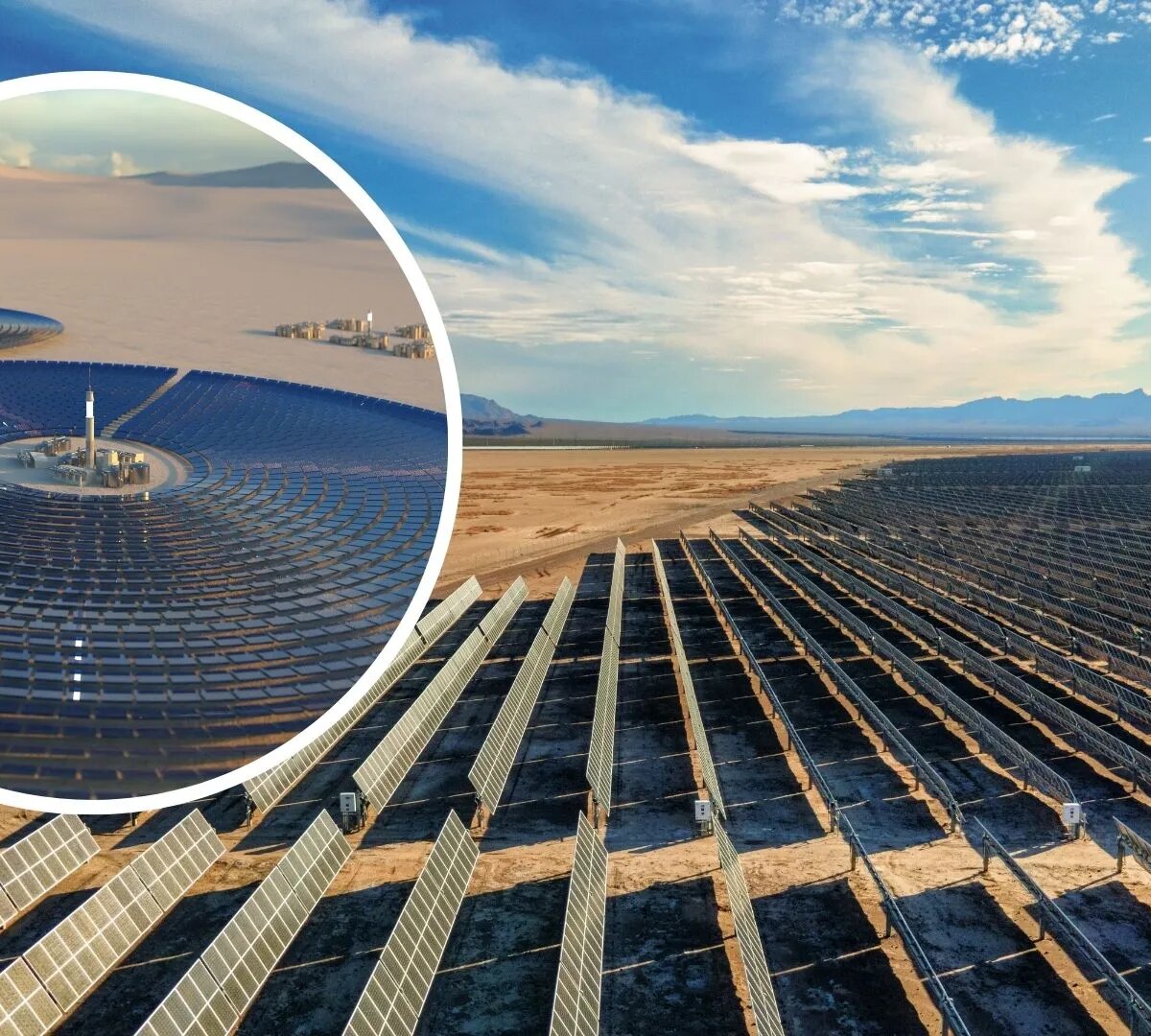
Known as the “Great Solar Wall,” the initiative aims to build a vast network of solar power installations across the Kubuqi Desert in Inner Mongolia. More than just a clean energy project, it represents an innovative attempt to tackle desertification while generating electricity on an unprecedented scale.
Massive solar corridor
The massive solar corridor is expected to stretch across one of northern China’s largest deserts. Once completed, it will rank among the world’s largest solar energy developments, producing enough electricity to power millions of homes and industries. The project forms a key part of China’s broader strategy to reduce dependence on fossil fuels and expand renewable energy capacity.
Deserts have traditionally been viewed as difficult environments with limited economic value. However, China’s planners see these sun-rich regions as ideal locations for large-scale solar farms. The abundant sunlight, wide-open land, and relatively low population density make desert areas particularly suitable for renewable energy projects.
Solar panels can also create environmental benefits
The Great Solar Wall seeks to do more than capture sunlight. Engineers believe the solar panels can also create environmental benefits by providing shade, reducing soil temperatures, and limiting moisture loss from the ground. These changes may encourage the growth of vegetation beneath and around the panels, helping stabilize loose sand and reduce the spread of desertification.
Researchers are also experimenting with planting drought-resistant grasses and shrubs around the installations. Over time, this combination of renewable energy infrastructure and ecological restoration could improve local biodiversity and make desert landscapes more resilient.
China has invested heavily in renewable energy over the past decade and has become the world’s largest producer of solar power. Projects such as the Great Solar Wall play an important role in helping the country diversify its energy mix while reducing greenhouse gas emissions.
Electricity generated in the desert will be transmitted through high-capacity power lines to major cities and industrial centres, where energy demand continues to grow. This approach allows China to take advantage of remote regions with abundant renewable resources while supplying cleaner electricity to densely populated areas.
The initiative also supports the country’s long-term climate commitments, including increasing the share of non-fossil fuels in its energy system and lowering carbon emissions.
One of the most distinctive features of the project is its focus on combining clean energy production with land restoration. Desertification has long posed environmental and economic challenges in northern China, contributing to sandstorms, soil degradation, and the loss of productive land.
By reducing wind speeds near the ground and creating cooler microclimates, solar installations may help slow the movement of sand dunes. These conditions can improve the survival of vegetation, strengthening natural barriers against erosion. If successful, the project could demonstrate how renewable energy infrastructure can contribute to ecosystem recovery rather than simply occupying land.
Scientists continue to monitor how these changes affect local wildlife, soil quality, and water availability. Their findings could help shape similar projects in other arid regions around the world.
Despite its promise, the Great Solar Wall is not without obstacles. Building and maintaining enormous solar facilities in remote desert environments requires significant financial investment, advanced engineering, and reliable.