Property ownership challenges, like rising upkeep and insurance costs, erode today’s home values by forcing owners to defer maintenance or go underinsured, even uninsured. Climate hazards also play a role, driving up insurance premiums, policy cancellations, and non-renewals while causing property damage and losses.
Understanding these problems that you, like other property owners, face is vital, as it can prompt you to be more proactive in protecting your assets.
Avoiding maintenance delays, for instance, can help preserve property values and prevent issues from worsening and becoming more expensive to fix. It’s even more crucial nowadays, as construction costs keep rising, with input prices being 7.4% higher than in July 2025, says Construction Dive.
What Does Ownership of a Property Mean?
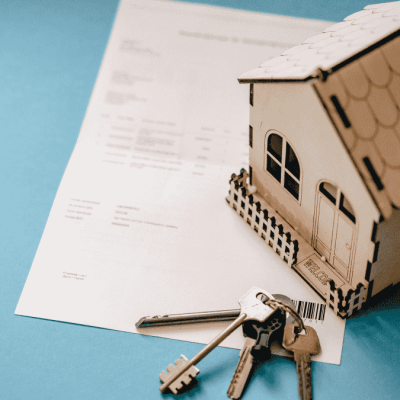
The phrase “ownership of a property” refers to an individual’s or entity’s legal right to possess, use, manage, and dispose of an asset. In real estate talk, it’s a legal concept represented by a property title. The title names and grants the owner a “bundle of rights,” including:
Join Us
AllHipHop’s Daily News Service
Delivering news to inboxes since 1999. We break it. They take it. Get it first, straight from AllHipHop.
- Possession: Owning the property and having the right to occupy it.
- Control: Deciding how to use the property, subject to and in compliance with local laws.
- Exclusion: Stopping others from entering or using the property.
- Enjoyment: Using the property safely and without external interference.
- Disposition: Selling, renting, or transferring property ownership to someone else.
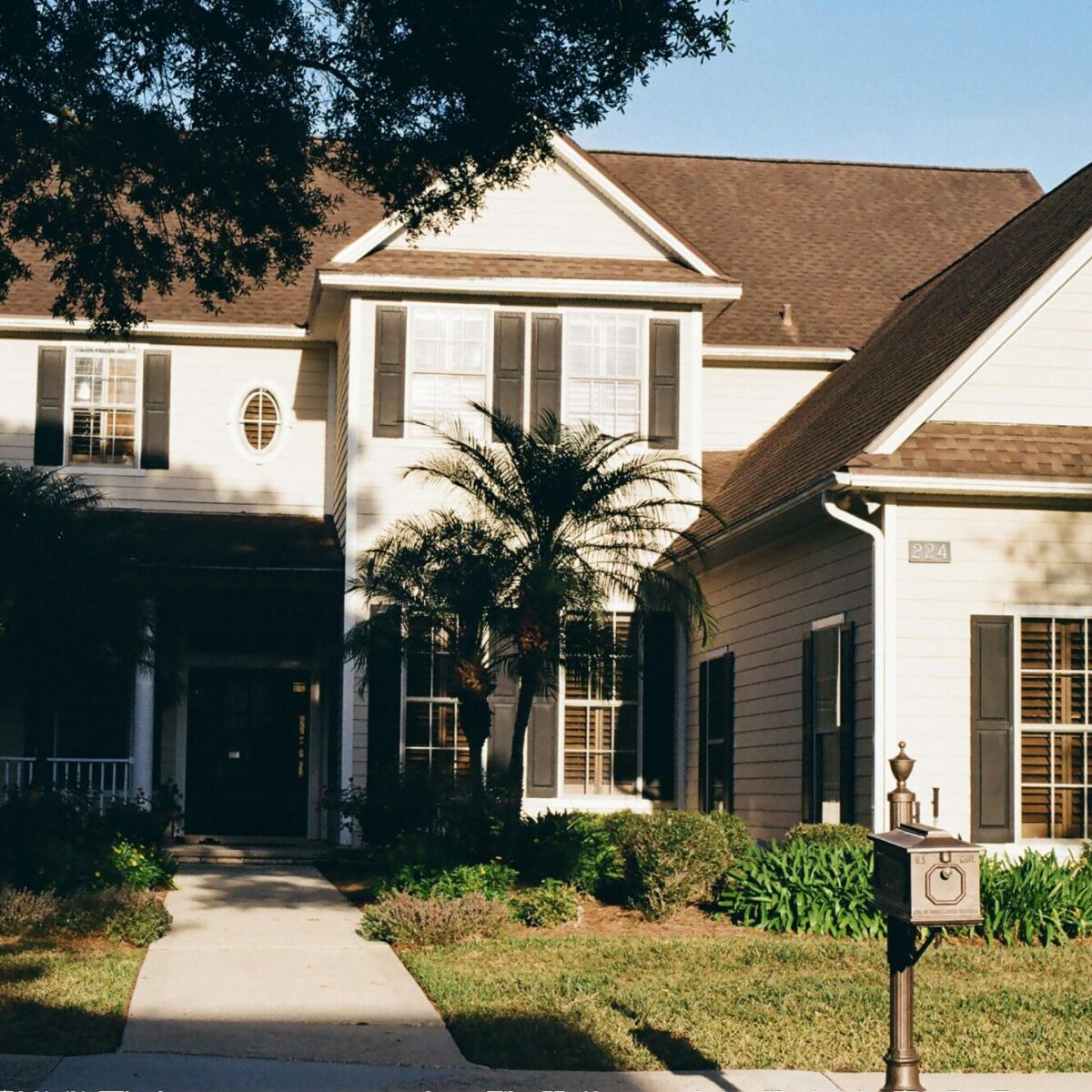
An excellent example showing ownership of a property is house ownership. Homes are among the most common real estate properties owned in the United States. In a recent article, for instance, CBS News cited data from the Federal Reserve, which stated that around 53% of U.S. adults own homes.
What Are the Types of Real Estate Property Ownership?
There are several types of ownership when it comes to real estate owners, with sole ownership being among the most common. Sole ownership means that only a single person or entity holds all interest in a property.
Community property is another form of property ownership, usually applying to married couples. Each spouse has the right to transfer or sell half of the property or will it to another person.
There’s also joint tenancy, in which two or more people hold a real estate title jointly. All holders have equal rights to the property during their lifetime.
What, How, and Why Are Property Ownership Challenges Eroding Today’s Home Values?
Property ownership challenges refer to the physical and financial hurdles that owners face with regard to their property. They include the following issues, which can have a direct impact on property values or even cause loss of property.
Core Property Ownership Challenges
Rising maintenance costs are one of the core challenges associated with property ownership. From materials to labor costs, these are all increasing, making it more expensive for real estate owners to keep their properties in top condition. They also contribute to rental property management problems.
Increasing insurance premiums are another significant challenge faced by property owners.
A May 2026 article from CNBC, for instance, cited data from a new Pew Research Center survey. It found that 71% of homeowners reported increases in their homeowners’ insurance over the past few years. It also noted that insurance premiums have risen by 24% ($648), propelling the average total to $3,303 per year between 2021 and 2024.
Increasing and worsening climate hazards are exacerbating property ownership challenges, too. Floods, wildfires, and storms all make a home harder and more expensive to own.
How and Why Property Ownership Challenges Erode Today’s Home Values
As one of the most significant property ownership challenges, rising maintenance costs can erode today’s home values by forcing property owners to defer necessary repairs. Such delays, unfortunately, can lead to properties falling into disrepair and experiencing a significant reduction in their values.
Increasing insurance premiums can also affect home values by driving up homeownership costs and prompting some homeowners to drop or cut back on their coverage. The problem is that when a disaster hits uninsured or underinsured homes, property owners have to cover the deficit out-of-pocket.
If homeowners don’t have the budget, they may be unable to pay for the repairs or replacement. They may have no choice but to leave the damages as is, triggering a decrease in property values.
Climate hazards also erode home values by causing direct damage and losses (e.g., storm, flood, mold, and fire damage). They reduce the demand and appeal of homes in areas prone to inclement weather events. The lower the demand and the less appealing properties are, the lower their worth tends to be.
Frequently Asked Questions
What Can Property Owners Do to Mitigate Ownership Challenges?
Building cash reserves is an effective, practical way to prevent or mitigate property ownership challenges related to maintenance.
Property owners should have at least two types of reserves: one for regular maintenance and another for emergency repairs. With these funds, you can avoid having to defer essential property upkeep or repairs.
Hiring licensed contractors, whether it’s for the roof, the plumbing, or the electrical system, is just as crucial. With their skills, knowledge, and expertise, they can help keep your property and its systems in good condition, preventing value losses due to premature wear, tear, or excessive damage.
What Can Owners Do If They Can No Longer Maintain a Property?
Property owners who can no longer maintain their properties, whether it’s due to geographical distance, age, or finances, have several options, one of which is to sell the home. They can put it up for sale the traditional way (with an agent) or sell it to cash buyers or investors.
Cash buyers and investors usually purchase homes as-is, which could be a good option for owners who don’t have the time or budget to complete significant maintenance and repairs before the sale.
Don’t Let Challenges Erode Too Much of Your Property’s Value
Not all property ownership challenges are avoidable (e.g., environmental factors), but many are, including those related to maintenance and repairs. By building cash reserves and working with expert contractors, you can keep these issues at a minimum while preserving your property’s value.
Have a look at our site’s other recent informative guides, news updates, and coverage of current events tailored for the Black community.