Leather and paper – the buck starts here
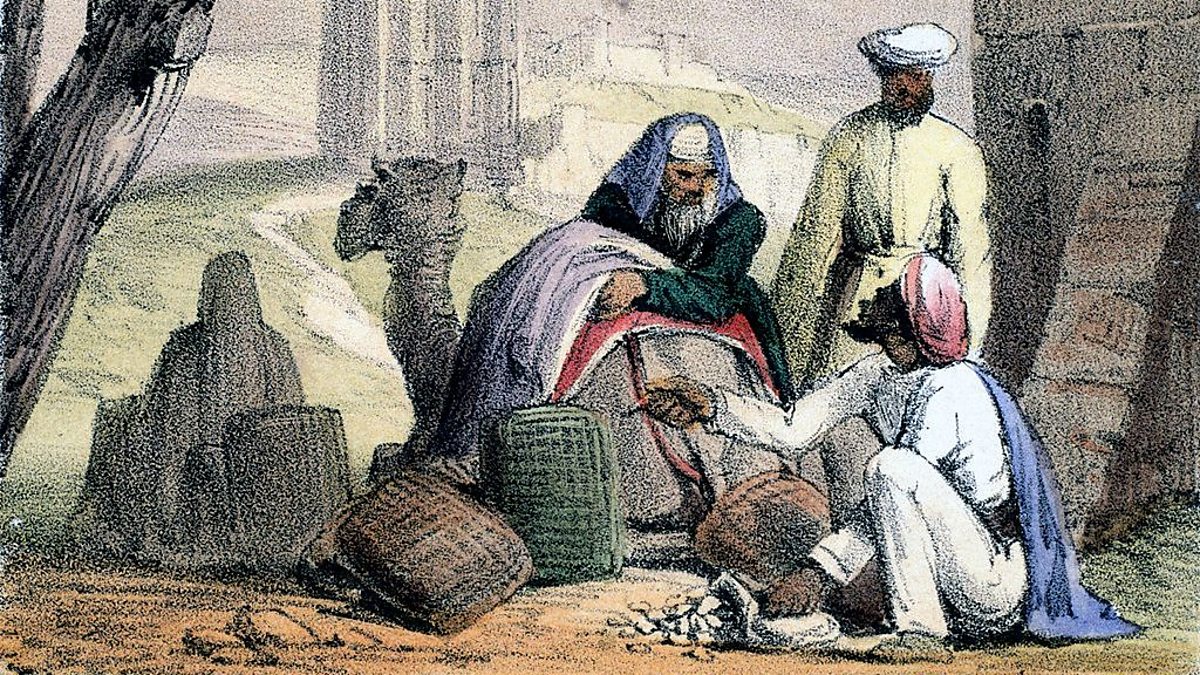
Leather was used to make currency at one point. There are reports of it appearing in Ancient Rome, as well as the area which is now France, and also 17th and 18th Century Russia.
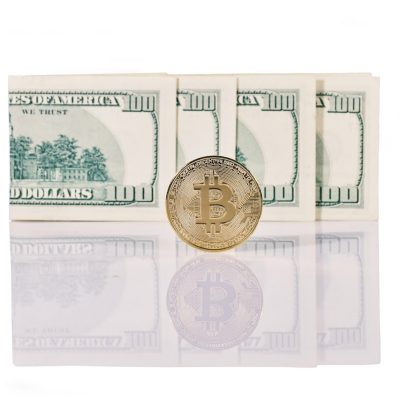
Even earlier, in the 2nd Century BC, the Chinese emperor Hu of Wan, also known as Wudi or Han Wudi, had currency made from the skins of his white stags. The thought of leather money may seem unusual today but one theory is that it was responsible for the US dollar being known as a buck – buckskin is a type of leather – a nickname that has been around for decades.
Paper money is a more relatable idea today, but in its earliest days, it went big and extravagant too.
One example that can be found in the British Museum’s currency collection is a one A string of 1,000 coins, as depicted in an image on the banknote itself. These coins were usually made from copper. note, dating back to 14th Century China. Measuring 34cm by 22cm (larger than an sheet of A4 paper), it was also known as the Grand Ming and was worth 1,000 coins.
Made from mulberry bark, these large sheets of paper money became known as flying cash, due to the possibility of it blowing away if people didn’t keep a firm enough grip on their notes. One problem with paper money was counterfeiters – it was one of the reasons China stopped using printed money in the early 15th Century. The practice only resumed in the 19th Century.