

What does regenerative agriculture look like?
The main focus of Regenerative Agriculture is to build soil life and health. There are a number of practices that contribute to soil health, for example: planting clovers, pulses or other “cover crops” over the winter to avoid bare soil and capture nutrients, utilising compost and not tilling the soil between planting (digging, overturning by mechanical agitation). The use of artificial inputs should be as low as possible, as nature itself is capable of doing all the hard work.
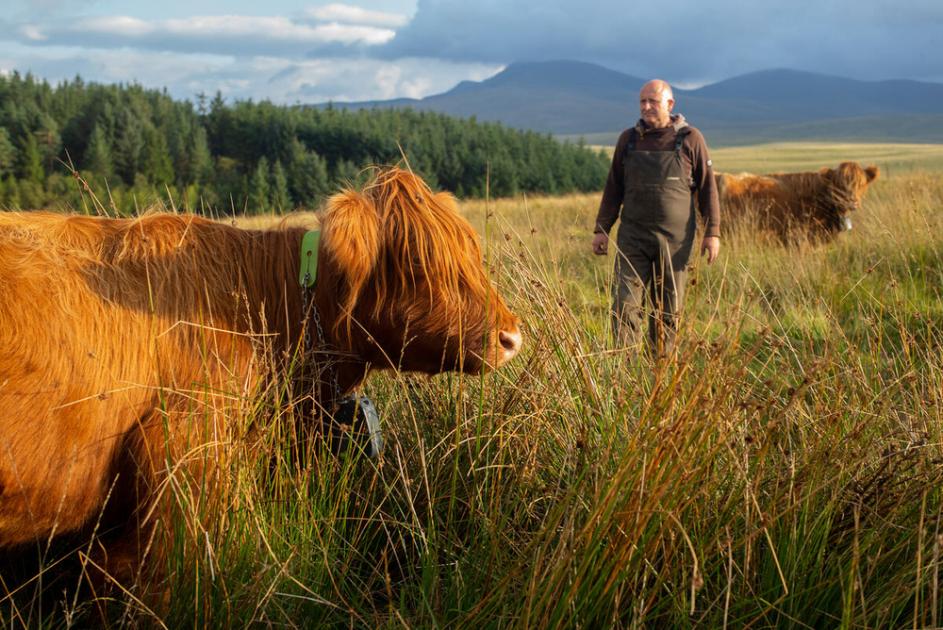
Another key aspect of regenerative agriculture is using animals on the land in ways that also support nature. Well-managed grazing is a cornerstone of building a diversity of life beneath the surface of the soil and above it as well. This can include moving livestock to different grazing areas so as not to put too much pressure on a single field, planting trees for shade or introducing grazing as part of a rotation with other crops. Increasing the range of grasses used for the pasture for cattle also decreases pest and disease pressure, which in turns means farmers do not need to give cattle de-wormers or antibiotics.
Regenerative agriculture is one of the most promising solutions to support the reversal of climate change and nature loss, and to have food that is healthy and nutritious. Ideally, as much of our food as possible should come from farms that implement principles and techniques that allow nature to flourish, including though regenerative agriculture. This needs strong investment, policy and clear signals from all parts of the food system to support farmers who are the key partners on this journey to heal nature through food production.