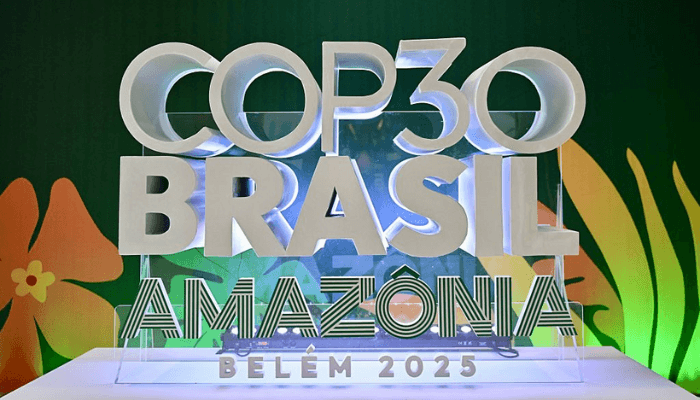
World Animal Protection has criticised world leaders at the 30th Conference of the Parties (COP30) for sidestepping the climate and deforestation impacts linked to industrial animal agriculture, warning that the omission threatens global climate progress.
The conference, held in Belém on the edge of the Amazon rainforest, was expected to spotlight the role of intensive livestock production—one of the key drivers of deforestation, biodiversity loss and greenhouse gas emissions. However, discussions at the summit largely avoided the issue, despite rising global concern.
Sally Kahiu, external affairs lead at World Animal Protection, said the silence undermines efforts to address the climate crisis.
“We cannot protect the planet while propping up an industry that destroys forests, fuels the climate crisis, and subjects billions of animals to immense suffering. Cutting down forests to grow crops for billions of intensively farmed animals rather than feeding people makes neither environmental nor economic sense. Ignoring this reality holds back global progress,” she stated.
The organisation also expressed concern that the final Belém Political Package weakened earlier commitments to halt deforestation—an unexpected reversal at a time when forest loss continues to intensify, worsening extreme weather events.
Read also: COP30 criticised for silence on trillion-dollar agriculture emissions
Africa, which is disproportionately affected by climate shocks, is already experiencing prolonged droughts in the Horn of Africa, severe flooding in Southern Africa and recurrent crop failures in West Africa.
Ahead of COP31 and COP32, World Animal Protection is calling on global leaders to address the core drivers of deforestation and prioritise humane and sustainable food systems.
With Ethiopia set to host COP32, the group says the summit presents a critical opportunity for African-led solutions, citing Kenya’s agroecology initiatives, Rwanda’s forest restoration efforts and Ghana’s sustainable land management programmes as models for global adoption.