

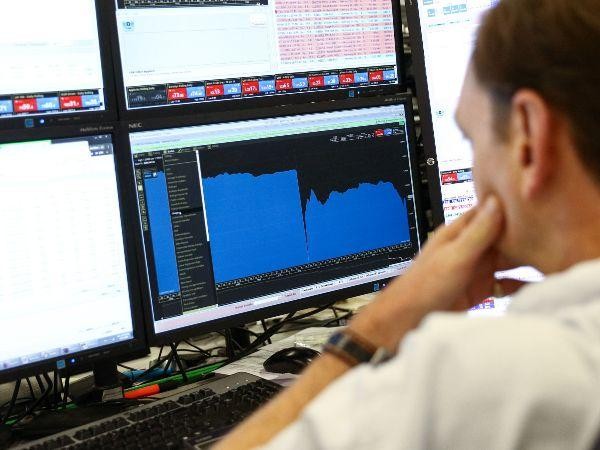
What is day trading and how does it work?
Day trading is a style that’s often used to gain exposure to short-term price movements in an underlying market. People who favour day trading will open and close multiple positions during a single trading session, usually in reaction to daily news stories or market-moving events.
Day traders frequently prefer higher market volatility because this means a market might experience more price movements in a shorter space of time, which could present greater opportunity to profit. Usually, markets are most volatile during their open and close times.
Day traders don’t leave their positions open overnight, so they don’t pay overnight funding charges. But, they will need to pay close attention to the markets and should take steps to manage their exposure to risk in case the market moves against them.
As with swing trading, you can use CFDs when you’re day trading. These derivatives offer day traders the opportunity to profit in rising and falling markets – which can help to maximise your exposure to opportunity in a single trading session.
You can day trade on any market, but the most common ones are forex, shares and indices. Forex, in particular, is popular because of the wide variety of different forex pairs and the market’s inherently high liquidity – which makes it easier to open and close your positions quickly.
Day trading in forex means you’re likely going to pay multiple spread costs throughout the day. Because of this, it’s important to be aware of pips. In forex trading, a pip of movement is a change in price at the fourth decimal place. So, if the price quoted for a forex pair increases from 1.2500 to 1.2501, there has been one pip of movement. Forex pips are used to calculate the bid-ask spread for a specific pair and express profit and loss.
Learn more about day trading strategies