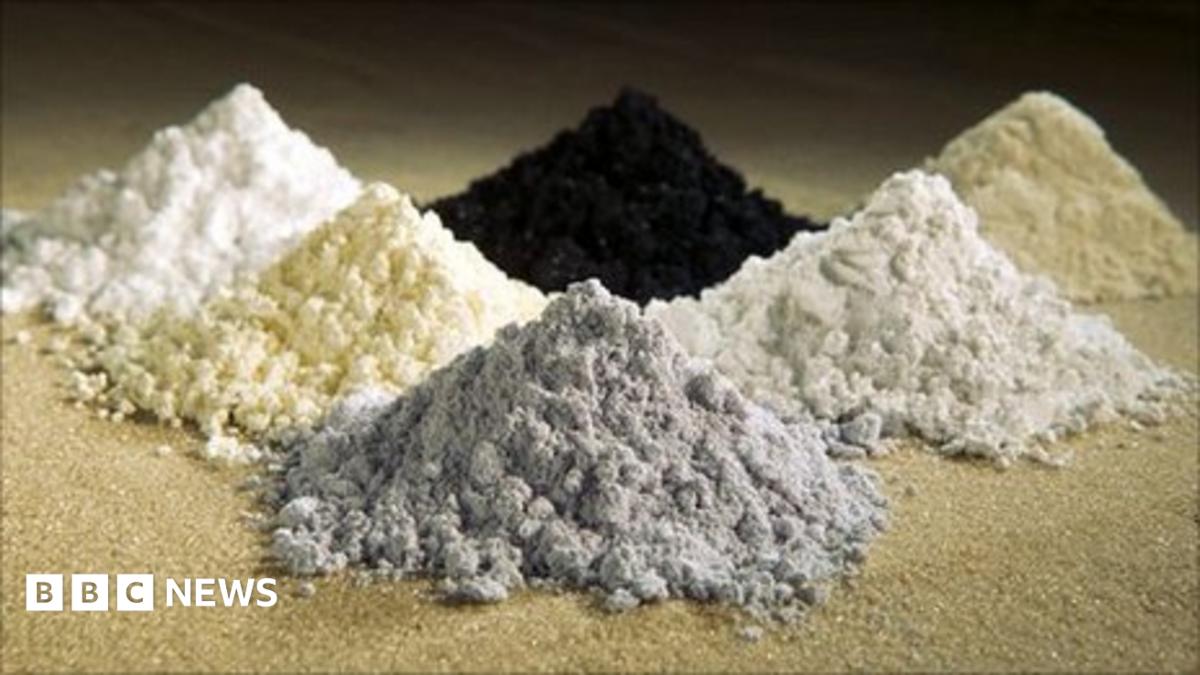
There are many more locations on Earth where these critical metals can be mined, including varied geological deposits from Southern Africa, Australia, Brazil, and the US. Professor Frances Wall of the Camborne School of Mines said that mining these alternative deposits would “take away the monopoly of current suppliers of these metals”.
In the move towards a more low-carbon economy, digital and renewable energy technologies rely heavily on metals which, just 10 years ago, would have been of little interest to industry.
Today, these elements are ubiquitous, being used widely in smart mobile devices, flat screens, wind turbines, electric cars, rechargeable batteries and many other technologies.
Mobile phones embrace the use of these technology metals, with lithium batteries, indium in the screen, and REEs in the circuitry.
With around a billion mobile phones being made every year, the “volume of technology metals required is astonishing and the pace of demand is not letting up”, said Alan McLelland of the National Metals Technology Centre.
Recycling of the metals used in phones is currently too expensive and energy-intensive, but Mr McLelland hopes that the risks outlined in the BGS list will alert the manufacturers to the need to make the embedded metals more accessible for recycling.
As the supply and demand of the elements change, the BGS anticipates the list being updated annually.