The real test is to produce secure, affordable energy supply
With the energy sufficiency problems and power cuts that Cyprus is currently facing, energy will be one of the defining issues for the next government. The challenge extends beyond individual projects. The real task is to develop and implement a coherent long-term strategy capable of delivering secure, affordable and competitive energy.
Cyprus has pursued imported natural gas, a competitive electricity market, renewable energy, battery storage and an electricity interconnector (GSI) with Greece. All remain important. Yet none has delivered the lower prices, greater security and modern electricity system consumers were promised.
The problem is increasingly one of governance, implementation, delivery and accountability. The next government must therefore focus on four priorities: restoring state capacity, addressing affordability, strengthening energy security and rebuilding public trust.
Restore state’s ability to plan, decide and deliver
Cyprus has repeatedly announced major energy initiatives without establishing how they fit together, who is responsible for delivery or how their combined costs will affect consumers.
The Vasilikos LNG project is stuck, suffering years of delay, disputes and cost escalation. The competitive electricity market is not creating meaningful competition. Renewable electricity has expanded without sufficient storage, grid investment or market reform, causing growing curtailment while consumers continue to pay some of Europe’s highest prices.
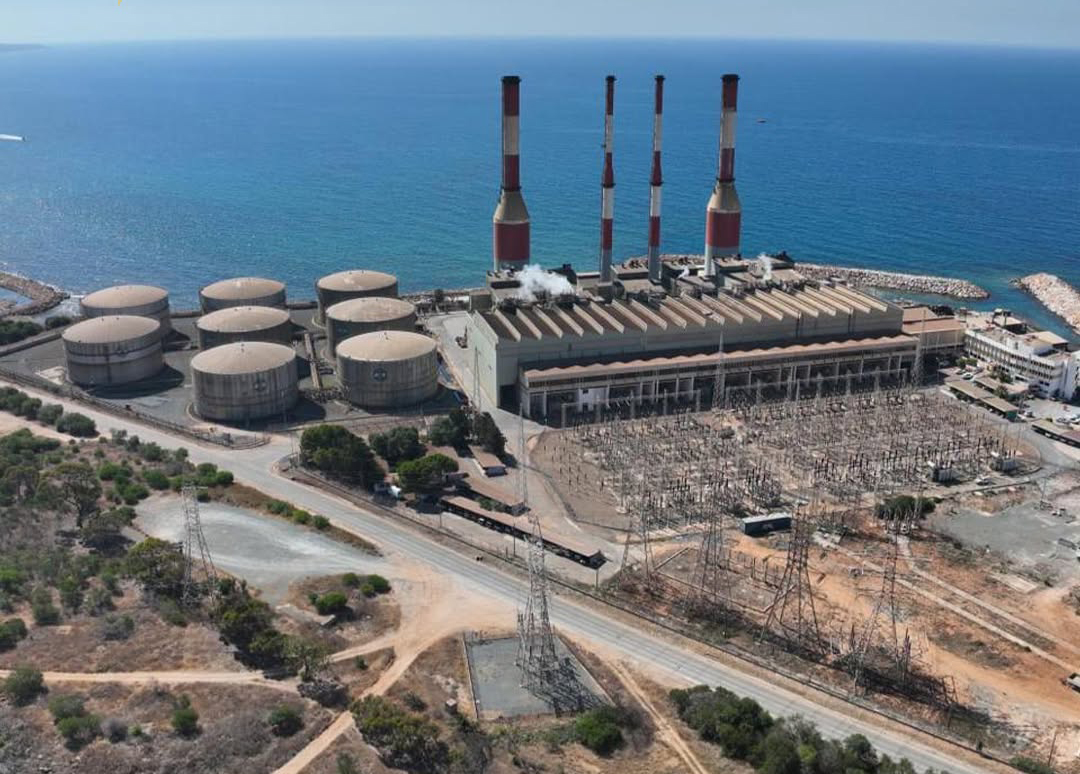
GSI remains an important part of Cyprus’ long-term strategy. It could increase competition, improve system efficiency, strengthen security of supply and enable greater use of renewable electricity. Its strategic value remains strong; the uncertainty concerns timing, financing and implementation.
These are not isolated project failures. They reveal fragmented decision-making, with responsibilities spread across ministries, regulators, state organisations and project companies, but no institution clearly accountable for the overall result.
The next government should establish a central energy delivery mechanism under the Presidency, supported by independent technical and economic expertise. It should coordinate strategy, monitor implementation and report progress against defined milestones.
The objective is not to centralise every technical decision, but to ensure that someone is responsible for bringing the different parts of the system together.
Address affordability at its source
High electricity prices increase the cost of industry, hotels, cooling/heating and desalination. They weaken competitiveness and feed directly into the cost of living.
Governments have often responded with temporary subsidies or tax reductions. These may be justified in exceptional circumstances, particularly for vulnerable households, but they do not reduce the underlying cost of electricity.
The next government should therefore shift from compensating consumers for expensive electricity to reducing its structural causes.
Imported LNG is no longer certain to provide the inexpensive transition fuel originally envisaged. Delays, financing costs, arbitration, completion costs and low terminal utilisation could substantially increase the cost of gas delivered to power stations.
Battery storage is essential because it reduces renewable curtailment, improves flexibility and strengthens grid stability. But batteries do not generate electricity. More renewable capacity will also not automatically lower prices if the market fails to pass savings on to consumers.
Cyprus no longer has simply an electricity technology problem. It increasingly has an electricity market-design and governance problem.
Lower prices will require lower-cost fuel, genuine competition, transparent contracting, grid modernisation, storage, greater renewable utilisation and, when available, interconnection. These should be treated not as separate projects but as components of one integrated electricity system.
Treat energy security as an economic priority
The third priority should be to secure sufficient and reliable electricity supply through the end of the decade and beyond.
Cyprus faces a difficult transition. Much of its ageing thermal generation will need to be withdrawn as environmental derogations expire, while demand continues to grow because of economic activity, air conditioning, desalination, electric vehicles and wider electrification.
Renewable energy alone cannot fill this gap. Until sufficient storage, grid flexibility and interconnection become available, Cyprus will continue to require reliable dispatchable generation.
The next government therefore needs a binding generation adequacy plan extending to at least 2035. It should integrate plant retirements, new flexible generation, fuel availability, emergency reserves/backup, storage, renewables, grid reinforcement and the future contribution of GSI.
Natural gas should be considered within this wider framework. The question is no longer whether gas can improve electricity generation, but whether the current LNG project remains the most economic and reliable way of supplying it.
An independent reassessment should compare completion of the project with credible alternatives, including a leased FSRU, interim LNG arrangements, regional pipeline options and, longer-term, domestic supply from Cyprus’ offshore gas resources. It should assess the full cost to consumers. Continued indecision may now be more damaging than choosing an imperfect but workable solution.
Restore public trust through transparency and accountability
Energy policy involves major public expenditure, complex contracts and long-term commitments that consumers will ultimately finance through prices. Decisions must therefore be transparent and supported by credible economic analysis. The underlying assumptions, costs, alternatives and risks are rarely presented in a form that allows meaningful scrutiny.
The next government should publish the economic basis of major energy decisions, release independent reviews where possible and explain significant changes in costs, financing or implementation.
Consumers are being asked to finance several major transformations simultaneously. Cyprus must establish priorities, sequence investments carefully and ensure that the combined burden remains affordable.
Public confidence will not be restored by announcing another strategy. It will be restored when decisions are evidence-based, implementation is monitored and institutions are held accountable for results.
The defining agenda
The next government’s defining energy agenda should therefore be: restore the state’s capacity to deliver, then use that capacity to secure reliable and affordable energy through coherent planning, market reform and transparent decision-making.
This is not merely an energy-sector objective. It is an economic and social necessity.
Without reliable and competitively priced electricity, Cyprus will struggle to control living costs, secure water supplies, maintain competitiveness, attract investment and adapt to climate change.
Energy brings together many of the country’s persistent weaknesses: fragmented governance, delayed implementation, weak accountability, market concentration and a tendency to announce projects before establishing how they fit within a long-term strategy.
But it also offers an opportunity. A government that succeeds in reforming the energy sector would demonstrate that Cyprus can undertake complex planning, make difficult decisions and convert investment into measurable benefits.
The real test will be whether, by the end of the government’s term, electricity is more secure, the system is better managed and consumers can see a credible path towards lower prices. Energy is both the next government’s greatest economic challenge and the principal test of whether the state can deliver.