Persa Sakellaridi, Marketing Team Lead at Wikifarmer, a global platform that empowers farmers globally with knowledge and market access.

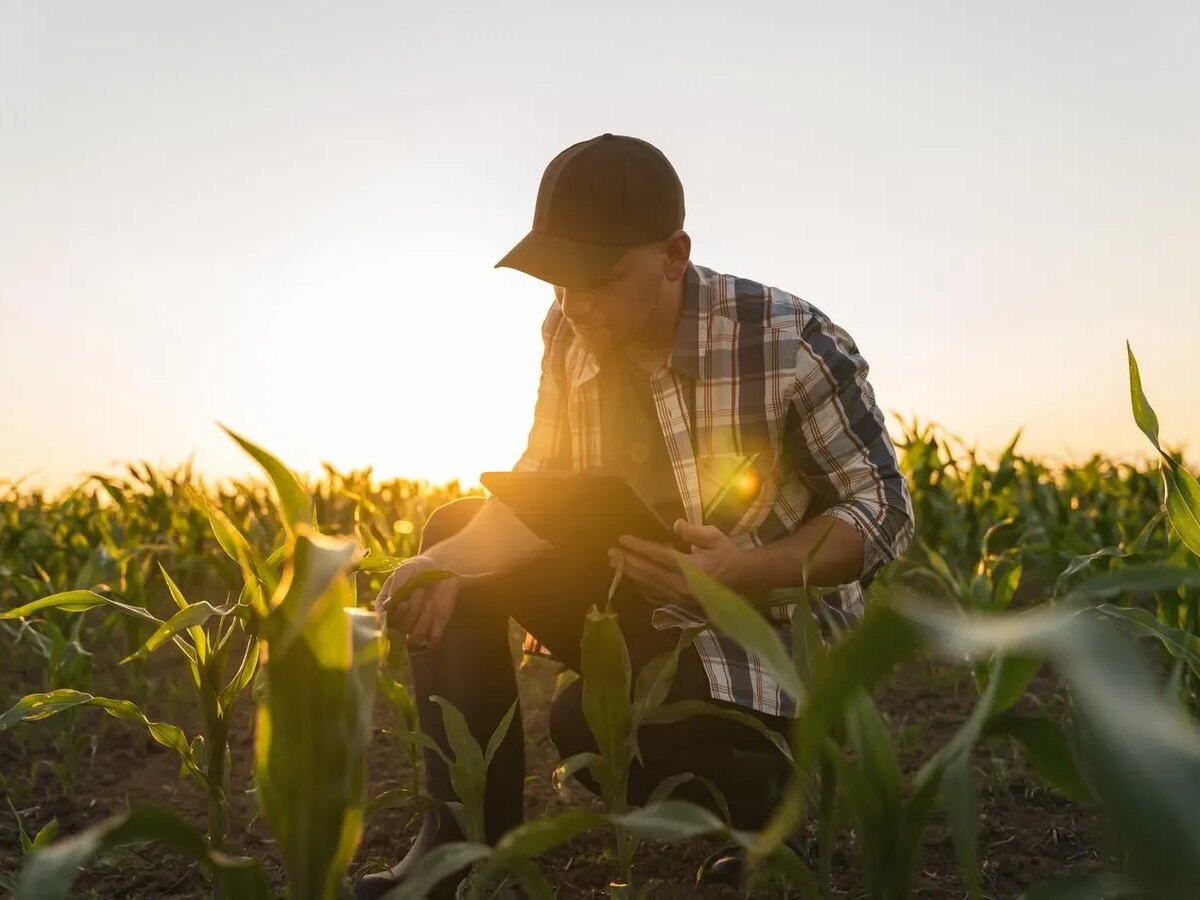
In Greece’s fields, Dimitris, a fourth-generation olive farmer, once relied solely on traditional cultivation methods passed down through his family for generations. Today, critical decisions about irrigation, optimal harvesting times and market access happen after consulting internet sources on his smartphone.
This transformation isn’t unique to him; it’s happening across agricultural communities worldwide, representing one of the most significant shifts in a rather traditional industry that has defined thousands of years of civilization.
As a marketing lead working in the intersection of agtech and communications, I’ve witnessed this digital evolution unfold across our global network. What we’re seeing isn’t simply the adoption of new tools but a fundamental reimagining of how farming will look in the near future.
Responding To Global Imperatives
Climate change is an immediate economic reality for farmers. It has disrupted normal growing seasons and introduced extreme weather patterns that have proven traditional methods increasingly unreliable. Supply chain vulnerabilities exposed during recent global disruptions have highlighted the fragility of our food systems and have intensified competition while simultaneously opening new markets.
The digitization of agriculture isn’t happening on a whim—it’s an imperative response to climate change, supply shortages, intensifying global competition and food security concerns. As the UN Food and Agriculture Organization notes in their State of Food and Agriculture 2022 report, which focused on leveraging automation for sustainable agriculture, digital technologies are becoming increasingly important for agricultural sustainability and resilience.
Breaking The Chain Of Exploitation
Perhaps the most persistent challenge in agriculture has been the inequitable distribution of value throughout the supply chain. Farmers have always watched as their harvests generate substantial profits for everyone except themselves. Middlemen, distributors and retailers have always captured the biggest share, often leaving producers with thin margins despite bearing significant risks.
This systemic pattern is not only unfair but also unsustainable. When farmers can’t capture enough value to reinvest in their operations, agricultural systems become vulnerable. This stalls innovation, younger generations abandon farming, and food security suffers.
Digital platforms help give farmers the tools to reclaim their share of the value chain. Across our network, we see producers who use direct-to-market digital platforms capture up to 30% to 40% more value for their products. This observation is consistent with findings from the World Bank’s Digital Agriculture Profile studies, which have documented how digital market access can significantly increase farmer incomes by removing intermediaries from traditional supply chains.
The Digital Awakening In Agriculture
For farmers, digital transformation often begins with something seemingly simple: access to information. In regions where agricultural extension services are limited or nonexistent, mobile access to cultivation guides, pest identification tools and market prices represents a very helpful move.
Digital transformation in farming isn’t about replacing traditional processes with digital ones—it’s about creating entirely new capabilities and connections that were previously impossible.
From Isolated To Interconnected
One of the most profound impacts is the shift from isolated operations to interconnected systems. Traditional farming has been characterized by information silos, where valuable knowledge remained within individual farms or communities, carried on by generations.
Digital platforms are changing the scene: A tomato farmer in Kenya can learn techniques from producers in Italy, while a livestock breeder in New Zealand can share insights with counterparts in Argentina. This global knowledge exchange happens online at no cost, allowing best practices to spread.
Reimagining Market Access
Digital transformation fundamentally changes how agricultural products reach markets. Traditional value chains involve numerous intermediaries, each taking a margin and leaving farmers with minimal profits. Digital platforms can restructure these chains by directly connecting supply with demand, adding services while eliminating middlemen.
Challenges At The Intersection Of Digital And Traditional
Despite these transformative benefits, the digital divide remains real, with connectivity, digital literacy and technology affordability creating barriers for many farmers, particularly in developing regions. I believe the industry needs to address critical challenges to ensure inclusive digital transformation:
1. Connectivity infrastructure should be treated as essential agricultural infrastructure, similar to irrigation systems. The FAO recognizes digital infrastructure as equally important as physical infrastructure for modern farming.
2. Technology must be designed specifically for low-resource environments, not assuming consistent connectivity or high-end devices. Successful platforms offer progressive functionality—working offline with basic features while providing additional capabilities for better-equipped users.
3. Digital literacy programs should be embedded within agricultural communities. Pairing tech-savvy young people with experienced farmers creates a bidirectional knowledge exchange. This approach preserves traditional farming wisdom while speeding digital adoption. The ITU reports that community-based digital skills programs achieve the highest adoption rates in rural agricultural areas.
At Wikifarmer, we’ve learned that successful digital transformation requires meeting farmers where they are. Often, this means blending digital approaches with traditional structures.
Lessons For B2B AgTech Leaders
For those of us working at the intersection of technology and agriculture, these would be my top inputs:
• Technology should simplify, not complicate. The most successful digital tools reduce rather than add to farmers’ workload and daily tasks.
• Ensure co-creation along the process. Involving your audience in the development process leads to higher adoption rates and better solutions.
• Value local knowledge. Digital systems should incorporate and enhance traditional knowledge, not replace it.
• Build for ecosystem resilience and sustainability. The best technologies strengthen not just individual farms but entire agricultural ecosystems.
• Design for offline reality. Despite increasing connectivity, solutions must function in low-bandwidth environments and offer offline capabilities.
Digital transformation in agriculture goes beyond efficiency gains. It empowers farmers, strengthens food systems and addresses critical challenges like climate change and food security. When properly designed and implemented, digital tools expand what’s possible in farming.
Forbes Business Council is the foremost growth and networking organization for business owners and leaders. Do I qualify?