Ireland’s inadequate electricity grid has become the single biggest obstacle to expanding renewable energy and achieving greater energy independence, the wind industry has warned.
Wind Energy Ireland said more than 3,000 megawatts of proposed onshore wind farms already have planning permission but are still waiting to connect to the national grid.
Some projects are being told they may have to wait five years or longer for a connection, despite being ready to proceed.
Launching a new Onshore Wind Action Plan, the industry body said Ireland must accelerate the construction of new power lines and substations and strengthen the existing network if it is to reduce its dependence on imported fossil fuels.
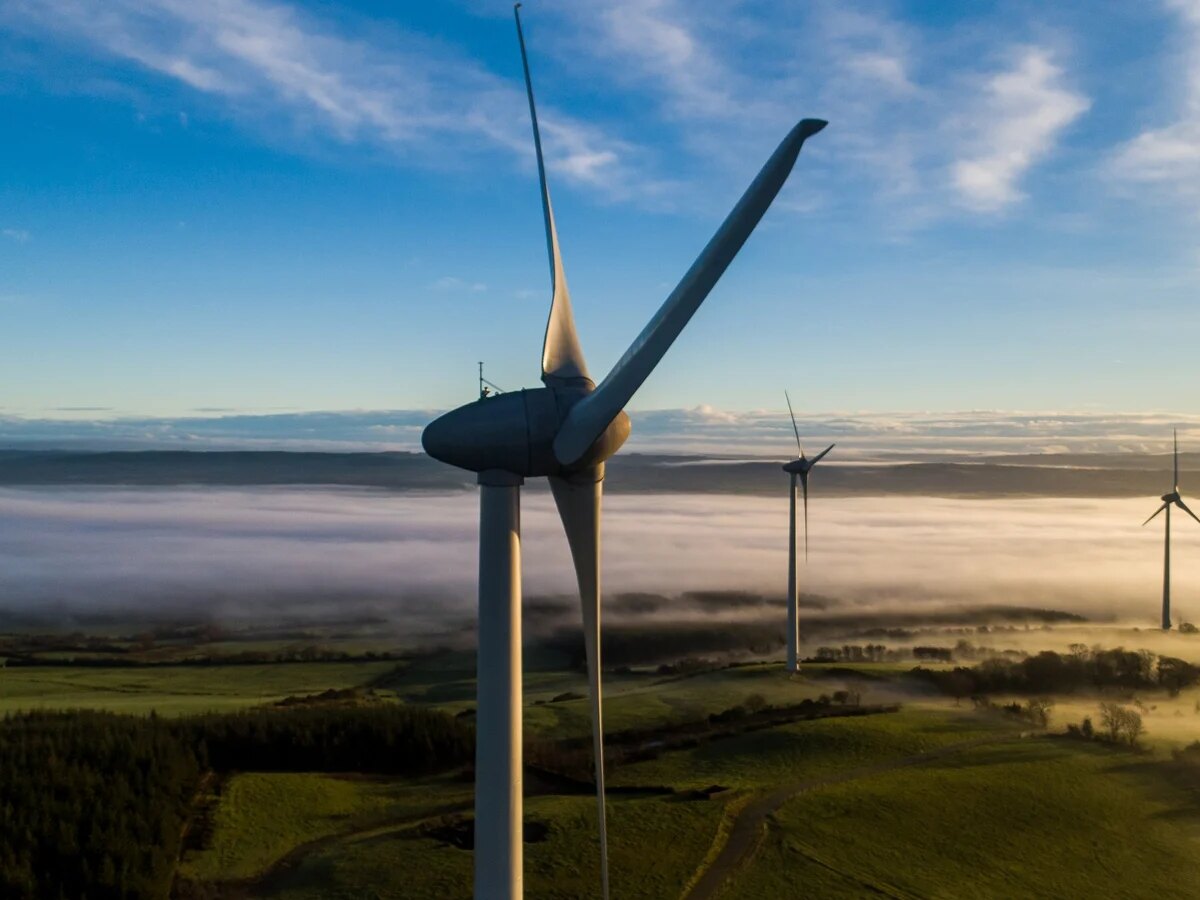
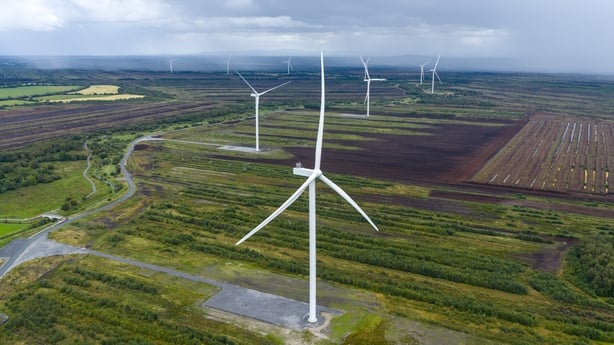
Ireland currently has just over 5,000 MW of installed onshore wind capacity, which generates more than one-third of the country’s electricity each year.
Wind Energy Ireland said this was already saving billions of euro in fossil-fuel imports, reducing carbon emissions and helping to lower electricity costs for households and businesses.
However, it warned that insufficient grid capacity, delays in securing connections and the loss of renewable power when the network cannot accommodate it were holding back further development.
The new action plan was drawn up following workshops with 22 renewable-energy companies responsible for much of Ireland’s pipeline of proposed onshore wind farms.
It sets out 15 measures intended to speed up project delivery and improve investor confidence.
These include accelerating nationally significant electricity transmission projects and publishing a long-term strategic roadmap for the development of the grid.
The plan also calls for a faster and more predictable grid-connection process, with greater transparency surrounding connection requirements, costs and delivery dates.
It recommends allowing battery-storage systems to share grid connections with wind farms and enabling renewable projects to connect to one another, reducing the amount of clean electricity that has to be discarded.
Wind Energy Ireland also wants the Department of Climate, Energy and the Environment to take responsibility for working with the industry and EirGrid to secure sustained reductions in the loss of renewable power.
Planning policies across all levels of Government should also be aligned with national renewable-energy objectives and updated wind-energy development guidelines, it said.
Wind Energy Ireland chief executive Noel Cunniffe said its members consistently identified grid-related problems as the greatest barrier to developing new projects.
“Ireland has built one of Europe’s most successful onshore wind industries, but the system needed to connect the next generation of projects is not moving quickly enough.
“More than 3,000 MW of onshore wind farms already have planning permission. However, some of these projects are now being told they must wait five years and more for a grid connection,” he said.
Mr Cunniffe added that every unit of wind-generated electricity that could not be used increased Ireland’s dependence on imported fossil fuels, raised costs for consumers, and resulted in higher emissions.
The Government has increased its focus on the electricity grid in recent years and recently designated three major grid developments as critical infrastructure under new legislation introduced by Minister for Public Expenditure Jack Chambers.
Minister for Climate, Energy and the Environment Darragh O’Brien welcomed the action plan and said the Government was committed to strengthening the grid, removing barriers, and providing greater certainty for renewable-energy investment.
“More home-grown wind energy means a cleaner, more secure and more affordable electricity system.
“It will reduce our exposure to imported fossil fuels, strengthen Ireland’s competitiveness and energy security, and provide the power needed by our homes, businesses and economy,” he said.
Wind Energy Ireland said EirGrid and ESB Networks had the plans and resources needed to expand the system, but would require sustained political and public support.
Mr Cunniffe said developing new power lines and substations was not solely an engineering challenge and would also require substantial investment in engagement with local communities.
“The prize is enormous: Irish energy independence, lower bills, a more secure supply of energy, a resilient and competitive economy, and leadership in the response to the climate emergency,” he said.