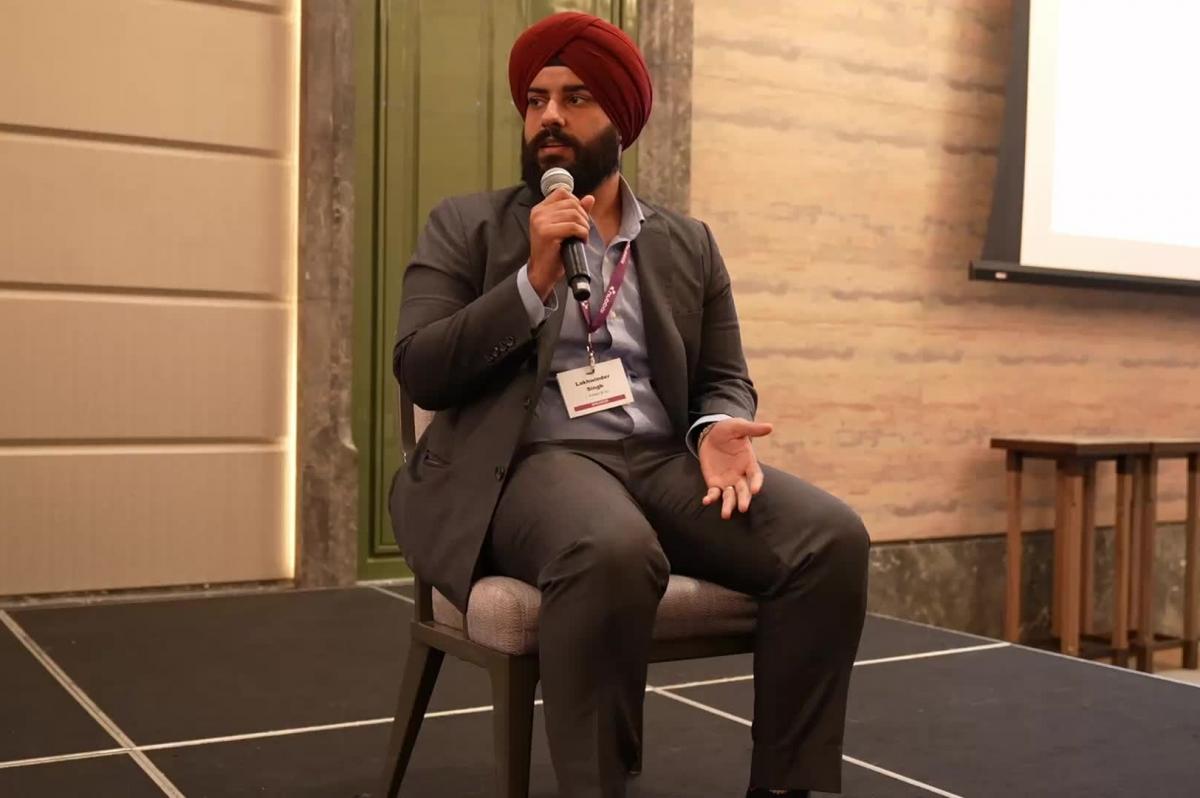
Sharp movements in precious-metals prices can dominate the conversation, but Lakhwinder Singh placed the longer-term purpose of an allocation at the centre of his presentation: preserving wealth that a family intends to pass on.
Lakhwinder Singh, Sales Manager at J. Rotbart & Co., discussed client demand and the practical services around physical gold and silver during the Hot Seat session at the Hubbis Wealth Planning & Structuring Forum – Hong Kong 2026.
Key Takeaways
- Singh framed physical precious metals primarily around wealth preservation rather than expectations of exceptional returns.
- He described continued client interest despite substantial movements in market prices.
- Buying physical metal involves practical decisions about shipment, storage and access to liquidity.
- The ownership arrangements should be considered alongside the family’s succession objectives.
Keep the purpose of the holding in view
Singh began with recent volatility in precious-metals markets. His broader point was that unusually strong performance should not become the basis for defining gold and silver’s role in a family portfolio.
“They’re meant to be an asset class in a portfolio that gives you stability and long-term preservation,” he said.
He described continued interest from clients and partners even after price corrections. In his account, geopolitical and economic uncertainty was prompting families to consider holdings they associated with preserving wealth over time.
The focus was on families whose founders had already created significant wealth. Singh described patriarchs and matriarchs seeking an asset they could hold for the next generation, rather than approaching the allocation solely as another source of growth.
Address the practical requirements of ownership
Singh outlined J. Rotbart & Co.’s services for private clients, high-net-worth individuals and family offices. These include helping clients buy, ship and store physical precious metals, as well as arrange loans against their holdings.
His examples centred on investment-grade gold and silver in bars and coins. The service discussion brought attention to the practical work accompanying a decision to own physical metal: acquiring it, arranging its movement and storage, and considering how it can support a need for liquidity.
That operating element was part of his explanation of the firm’s role as a single point of contact for clients holding precious metals.
Connect the holding with succession intentions
Singh also discussed account arrangements used by families, including joint and multi-family accounts. He presented those as part of conversations about how holdings would pass between generations.
The succession theme connected his presentation with the wider forum. For the families he described, the question was how an asset would serve the people inheriting the wealth as well as those who had created it.
His central message was to keep that purpose visible when discussing precious metals. Market performance may attract attention, but the family’s preservation and succession objectives explain why it wants to hold the asset in the first place.