Peru’s Ministry of Energy and Mines (MINEM) has published a draft decree to establish a national energy planning framework covering long-, medium-, and short-term horizons. The proposal aims to standardize the preparation, updating, and publication of energy plans, balances, projections, and related reports.
The draft “Decreto Supremo que aprueba Disposiciones Normativas que Regulan la Planificación Energética” was published through Ministerial Resolution No. 270-2026-MINEM/DM, dated July 8 and released in the official gazette El Peruano on July 9.
The proposed framework would establish common methodologies, planning periods, and criteria for the development of the Long-Term National Integrated Energy Plan, as well as short- and medium-term planning instruments. According to MINEM, the initiative is intended to strengthen the ministry’s role in coordinating energy sector planning and improve consistency across official forecasts and analyses.
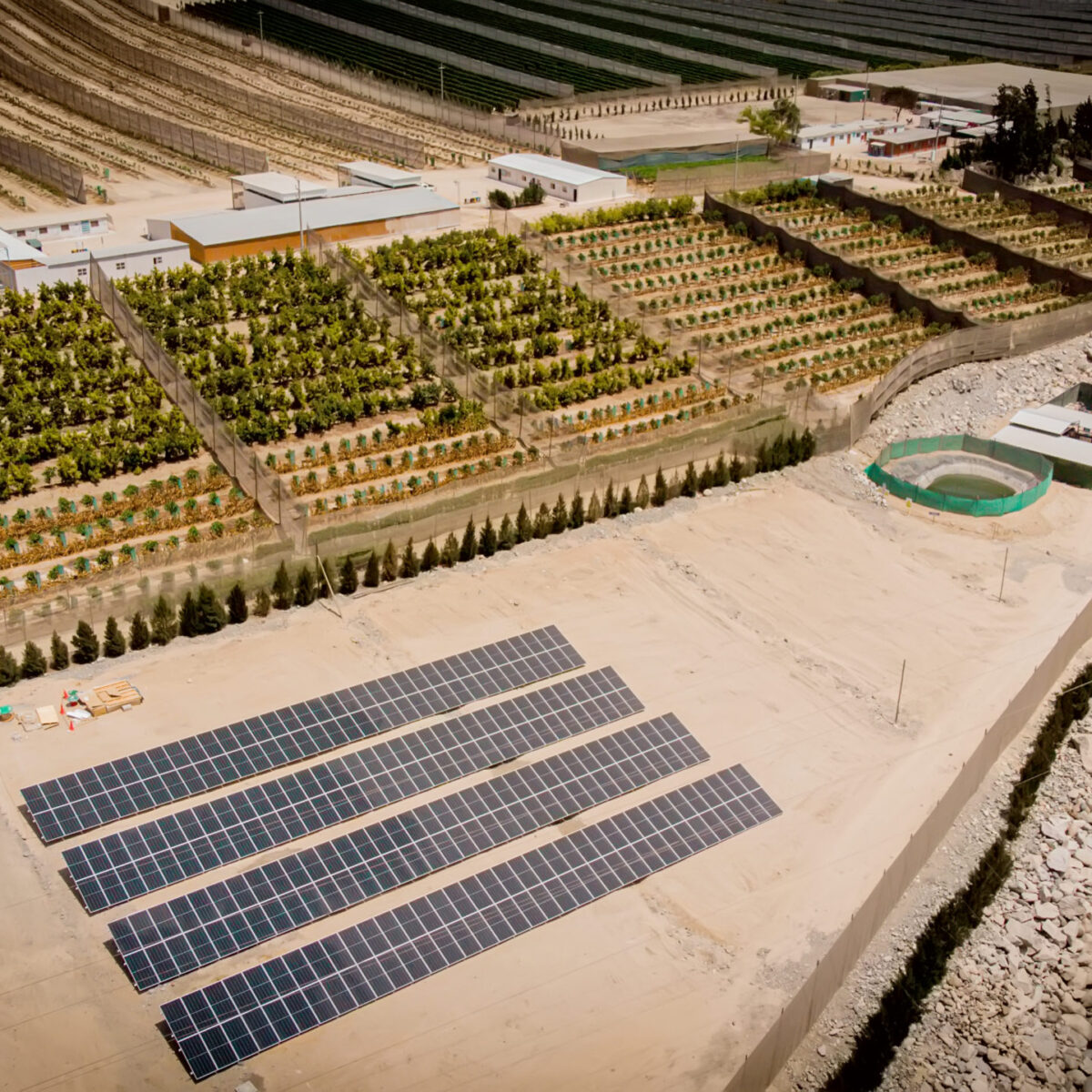
For the solar PV sector, the framework could provide a more structured basis for assessing future electricity demand, available generation resources, grid expansion requirements, and potential connection constraints. These factors will be key to determining where new photovoltaic capacity can be integrated and where additional transmission or distribution investments may be required.
The proposal does not set specific installation targets for solar PV or energy storage. Instead, it seeks to generate the scenarios, energy balances, and projections that can support future decisions on the integration of these technologies into Peru’s power system.
The initiative follows a December 2025 call from the Peruvian renewable energy association Sociedad Peruana de Energías Renovables, which urged the government to adopt clear regulations under Law No. 32249 to modernize the electricity market and support the integration of solar, wind, and storage technologies. The industry association warned that the lack of rules for tenders, ancillary services, and isolated systems was creating investment barriers and could delay more than $20 billion in private projects.
Long-term planning will also need to account for the variability of solar generation and the growing need for grid flexibility. In this context, battery storage can be considered as a tool to shift electricity from periods of high photovoltaic output to times of peak demand, reduce curtailment, and provide grid support services.
However, the proposed regulation focuses on energy planning governance and does not establish a market framework for batteries, define remuneration mechanisms, or require the construction of solar or storage projects. Those issues would depend on separate electricity market regulations.
In April, MINEM also published a draft regulation on ancillary services that would allow storage systems and other resources to participate in services such as reserves, frequency regulation, and other functions required for reliable system operation.
The new planning framework could nevertheless provide technical support for future regulatory and investment decisions. Coordinated scenarios covering supply, demand, transmission infrastructure, energy security, and the energy transition could help identify future needs for solar generation, storage, and other flexibility technologies.
MINEM said the initiative also aims to reduce regulatory uncertainty and remove implicit barriers to sector development by improving access to statistical, prospective, and strategic information. According to the ministry, this information will help identify risks, opportunities, and investment priorities while respecting market principles and private sector participation.
Peru commissioned about 454 MW of utility-scale solar capacity in 2025, taking cumulative installed PV capacity to roughly 952 MW, according to the government.