Replacing fossil fuel-reliant power stations with renewable energy sources, such as wind and solar, is a vital part of stabilising climate change and achieving net zero carbon emissions.
Professor Magda Titirici, Chair in Sustainable Energy Materials at Imperial College London, offers an introduction to renewable energy and the future of clean, green power in the UK.
What is renewable energy?
Renewable energy comes from sources that replenish naturally and continually within a human lifetime. Renewable energy is often called sustainable energy.
Major sources of renewable energy include solar, wind, hydroelectric, tidal, geothermal and biomass energy, which is derived from burning plant or animal matter and waste.
On the other hand, non-renewable energy comes from natural resources such as coal, oil and natural gas that take billions of years to form, which is why we call them fossil fuels. They are present in finite amounts and will run out as we’re using them far more quickly than they form.
Switching our reliance on fossil fuels to renewable energy sources that produce lower or no greenhouse gas emissions is critically important in tackling the climate crisis.
What’s the difference between clean, green and renewable energy?
Clean energy doesn’t produce any pollution once installed. Nor does green energy, which comes from natural sources such as the Sun and is produced without any major negative impacts on the environment. Renewable energy refers to sources that are constantly replenished.
Whilst there’s often overlap between these definitions and most renewable energy sources can also be considered clean and green, it’s not always the case.
Nuclear energy doesn’t release greenhouse gases into the atmosphere, so some people consider it to be clean – providing the radioactive waste is stored safely and doesn’t escape into the environment. But the uranium energy source used in nuclear power plants isn’t renewable.
When will fossil fuels run out?
Research based on 2015 data predicts that coal stocks will last well into the next century, but oil and natural gas reserves, which are stocks that we know we can extract from, will run out in the late 2060s.
However, scientific models suggest that if we’re to limit global warming to 2°C – the target agreed at COP26 is 1.5°C – over 80% of coal, 50% of gas and 30% of oil reserves will need to be left untouched anyway.
When we extract fossil fuels from deep within the planet and burn them, we can generate electricity quite efficiently. But the process releases a lot of carbon dioxide (CO2) into the atmosphere, which contributes to the greenhouse effect, global warming and biodiversity loss.
“Fossil fuels brought with them immense technological progress but using them releases CO2 into the atmosphere, which acts like a blanket, trapping heat that would otherwise escape into space and cause global warming,” Magda explains.
If we continue to use fossil fuels, the effect will only worsen.
“If we want to live on this planet much longer than 2050 and keep temperature levels below the 1.5°C of warming agreed to by governments around the world, we need to make some radical changes right now. We need to move to technologies that will give us the same level and comfort of living but drastically cut our emissions and carbon footprint,” Magda adds.
Examples of renewable energy sources
One of the main benefits of most renewable energy sources is that they don’t release carbon dioxide or pollute the air when they’re used to produce electricity or heat. Greenhouse gases are emitted during the lifetime of some of the technologies – for example, during their manufacture or construction – but overall emissions are significantly lower than for fossil fuels.
Whereas some countries lack direct access to fossil fuels and must rely on international sources, renewable energy often allows countries to supply their own energy needs, which is a big economic and political advantage.
Can renewable energy replace fossil fuels in the UK?
In 2020, 42% of the UK’s electricity came from renewable energy. A quarter of the UK’s electricity was produced by wind power, which is the highest proportion of any G20 country and more than four times the global average.
Statistics on UK energy trends reveal that from April to June 2022, nearly 39% of the UK’s electricity came from renewable energy, slightly more than during the same period in 2021, but down from 45.5% between January and March 2022 when it was unusually sunny and wind speeds were high.
Magda says, “there has been good news in recent years in terms of progress on renewables, but in my opinion, the UK is still lagging behind. It’s not so strong yet for truly sustainable technologies. It needs storage and conversion.”
Magda believes that wind – particularly offshore – solar, green hydrogen and rapid innovation in battery storage will be key to the UK reaching net zero by 2050.
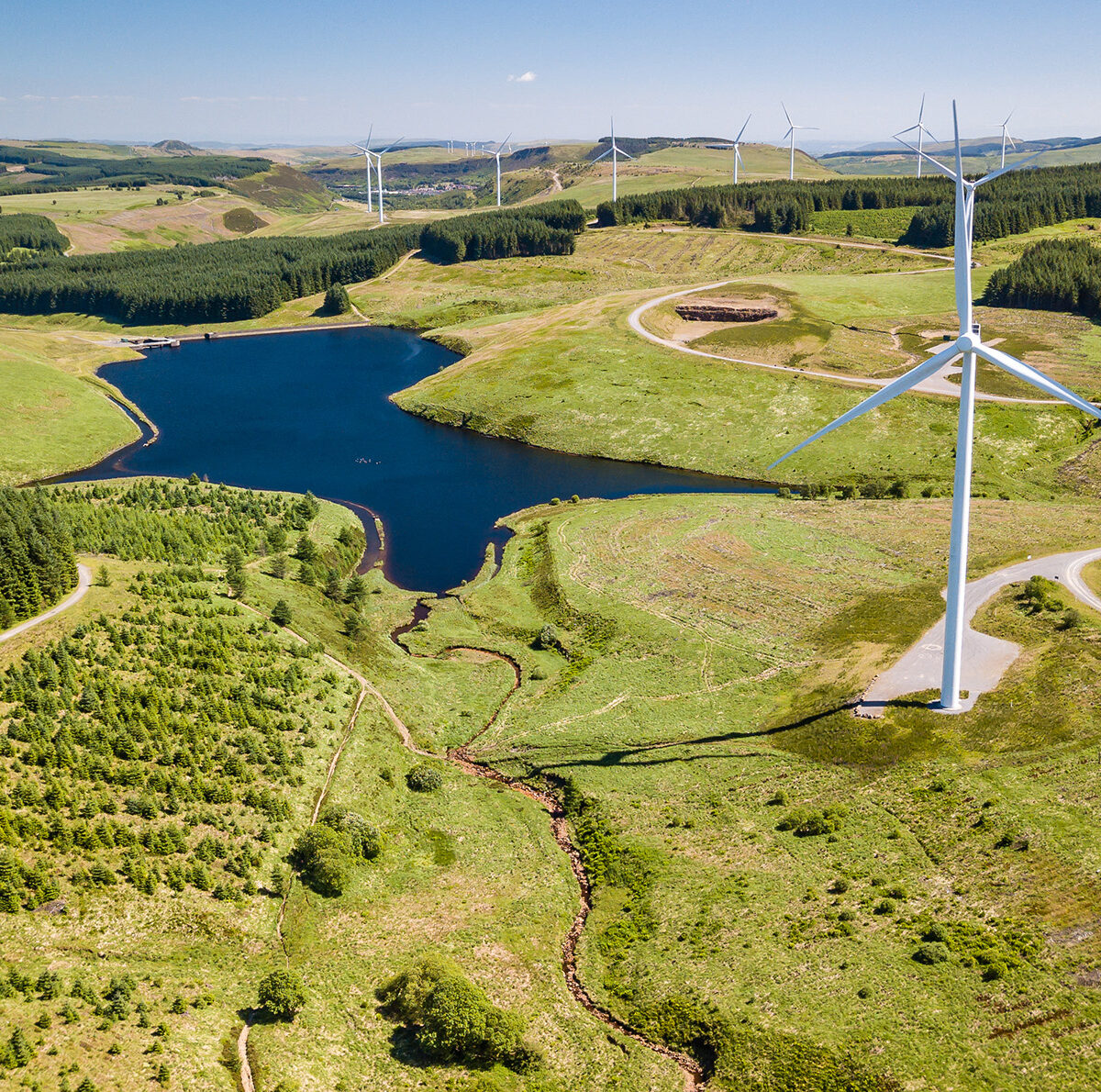
She explains, “the UK is a really windy place, so wind is the perfect renewable energy technology. By 2035 wind and solar should provide 75-90% of total UK electricity to bring emissions down significantly.”
“It has already been shown that it’s feasible to produce 90% of the UK’s electricity from wind and solar combined. The tech is there and it’s becoming more efficient and affordable each year.”
“Offshore wind capacity will also help produce green hydrogen, another crucial part of the UK decarbonisation path.”
It’s predicted that the UK will need 100 terawatt-hours of green hydrogen by 2035.
The future of renewable energy in the UK
Magda believes the UK is at a very critical point in its sustainable technologies journey.
“Everything will depend on what happens this year and next. We need to see radical changes, investment, subsidies and support to reach our target of net zero by 2050.”
“It would cost less than 1% of GDP to get to net zero by 2050 but the advantages would be immense – new jobs, a sustainable economy and a healthy and resilient society.”
Challenges and opportunities for renewable energy in the UK
One of the biggest challenges the UK is facing right now is battery storage and access to materials like cobalt and lithium, which are needed to produce lithium-ion batteries at scale.
Currently, just a few countries are responsible for most of the world’s production of lithium.
According to Magda, the UK lacks access to the supply chain needed for Li-ion batteries. “As a result, Johnson Matthey, which is a major company driving battery innovations in the UK, announced they would stop lithium battery research because they’re unable to secure a path to raw materials and be competitive on the international market.”
Museum researchers are investigating whether it would be possible to develop a more sustainable, domestic supply chain by extracting lithium from UK rocks. They made a key breakthrough in 2021 when they produced battery-grade lithium chemicals from UK rocks for the first time.
According to Professor Richard Herrington, Head of Earth Sciences at the Museum, “an increased, reliable supply of lithium is critical if we’re to meet the rising demand for electric cars and provide a dependable supply of energy from renewable sources. The next generation of batteries that don’t require lithium may still be three to five years away from being ready for public use.”
However, Magda is optimistic that the UK could lead in emerging battery technologies. “I think the UK has an amazing opportunity to pioneer the next generation of batteries,” she says.
Innovative models already under development at The Faraday Institution include:
Magda adds, “we need to focus on the areas where the UK has the potential to lead. The UK has such a big tradition in new materials and discoveries, we could move to completely new technologies both for batteries and hydrogen production.”
“There are a lot of challenges, but if we’re investing in it, we could be future leaders and even solve one of the most difficult challenges in decarbonisation – flight.”
Looking for ways to help the planet? Use our handy tool to find actions that you can take to live a little greener.