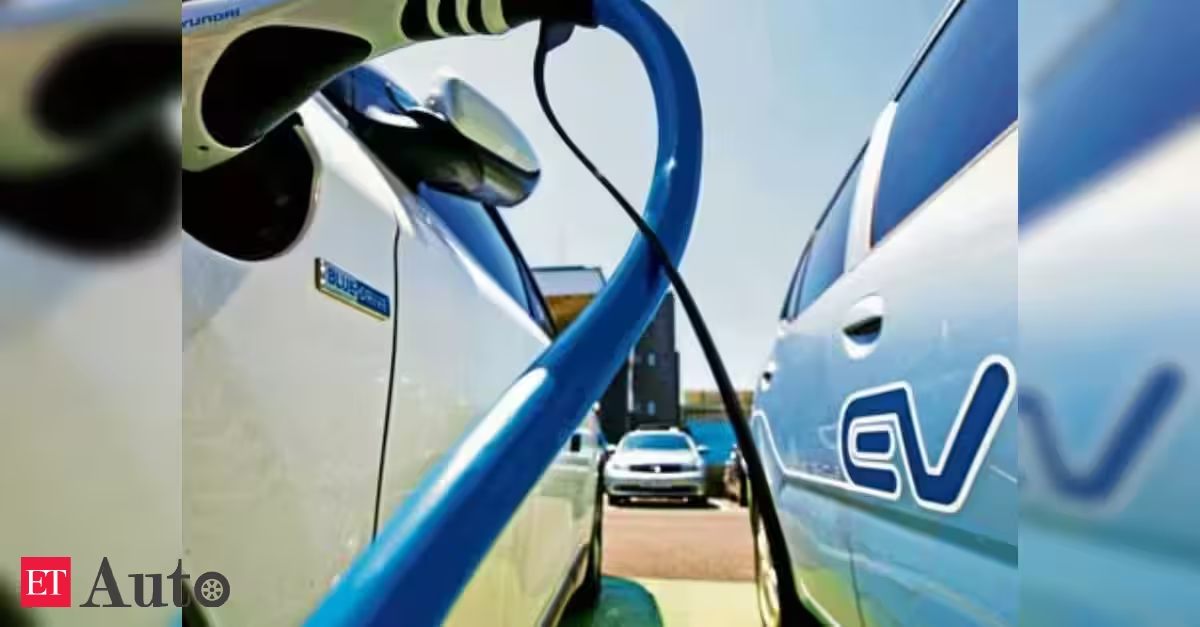
India’s electric mobility transition is often measured through vehicle adoption. But the more consequential change may be taking place much further upstream, in the metals and materials that make electrification possible.
With India’s EV penetration rising from 0.7 per cent in FY2020 to 8.2 per cent in FY2026, and more than 23 lakh electric vehicles incentivised under the PM E-DRIVE scheme as of July 2026, electric mobility is moving beyond being an emerging automotive trend. It is becoming a structural shift in the country’s manufacturing ecosystem.
That shift has an important implication: the success of India’s EV journey will depend not only on how quickly vehicles are adopted, but also on how effectively the country builds domestic capacity for the materials that underpin this new mobility architecture.
Silver is a compelling example. As electrification gathers pace, its role in the automotive value chain is becoming increasingly significant. Battery electric vehicles are estimated to use approximately 25–50 grams of silver per vehicle, around 67–79 per cent more than conventional internal combustion engine vehicles. The metal is used across battery management systems, power electronics, electrical contacts, switches, sensors and other high-performance electronic components. The expansion of EV charging infrastructure is creating another avenue for demand.
This is where the conversation around EV localisation needs to become broader. Building an electric mobility ecosystem is not simply about manufacturing more vehicles within India. It is equally about ensuring access to the underlying materials and capabilities that allow that manufacturing ecosystem to scale with resilience.
For India, greater domestic availability of strategically important metals can strengthen the foundations of that value chain. It can reduce dependence on external supply and help align the growth of new-age manufacturing with a stronger domestic materials ecosystem. As electric mobility becomes more technology-intensive, the ability to secure these inputs will increasingly become part of the country’s manufacturing competitiveness.
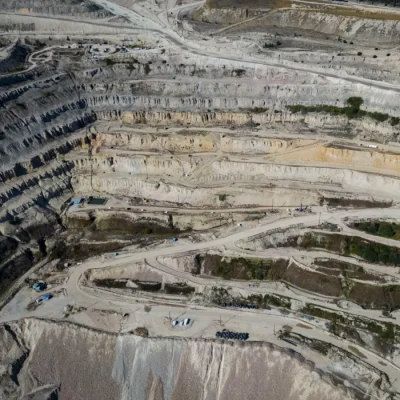
The opportunity is already influencing the way metals companies think about capacity and value creation. Hindustan Zinc, India’s only primary silver producer and the world’s largest integrated zinc producer, plans to nearly double its silver refining capacity from 800 tonnes per annum to 1,500 tonnes per annum. The company produced 627 metric tonnes of silver in FY2026, positioning it to support the growing requirement for domestically produced silver as India’s electric mobility and advanced manufacturing ecosystem expands.
The relevance of zinc to the automotive transition is equally important, though it takes a different form. As vehicles become more electrified, durability remains fundamental to the sustainability equation. Through galvanisation, zinc protects steel used in vehicle structures and components from corrosion, helping extend vehicle life and reduce maintenance requirements. For an industry moving towards cleaner mobility, ensuring that the materials used across that ecosystem are durable is an important part of creating longer-lasting value.
There is also another dimension to this transition that deserves greater attention: the companies supplying the materials for cleaner mobility themselves are becoming participants in the shift.
At Hindustan Zinc, this is visible in the progressive electrification of its own operations and logistics. The company has built a growing green mobility ecosystem comprising electric and LNG-powered vehicles, with 52 EV and 180 LNG vehicles forming part of its cleaner transportation fleet. It is also working towards progressively transitioning its logistics fleet to electric trucks and replacing diesel-operated vehicles.
This creates a powerful two-way dynamic. The metals sector is not merely supplying the raw materials for the electric mobility transition; it is also being called upon to transform the way those materials are produced, moved and integrated into the wider economy. The credibility of the transition will increasingly be shaped by progress on both fronts.
India therefore has an opportunity to think about EV leadership beyond the vehicle itself. The next phase of the transition will require an ecosystem in which vehicle manufacturing, advanced electronics, charging infrastructure, metals and refining capabilities evolve together.
The real ambition should be to build not just an electric mobility market, but a resilient Indian electric mobility value chain. That means ensuring that the metals enabling electrification are available at scale, that domestic capabilities keep pace with emerging demand, and that the industries supplying those materials continue to reduce their own footprint.
For companies such as Hindustan Zinc, this convergence of metals, technology and cleaner mobility represents a new role in India’s growth story: not simply as suppliers to the transition, but as participants in building the industrial foundation on which it will be sustained.
A similar shift is visible across India’s broader metals ecosystem, with companies such as Hindalco moving beyond primary aluminium into high-value EV applications, including locally manufactured aluminium battery enclosures for electric vehicles. Such investments underscore how strengthening domestic metals capabilities can help India build a more integrated EV value chain, connecting material production with advanced components and vehicle manufacturing.
(The author is Nikhil Raj – Development Economist & Director, Sustainable Outcomes. The views expressed are personal.)