

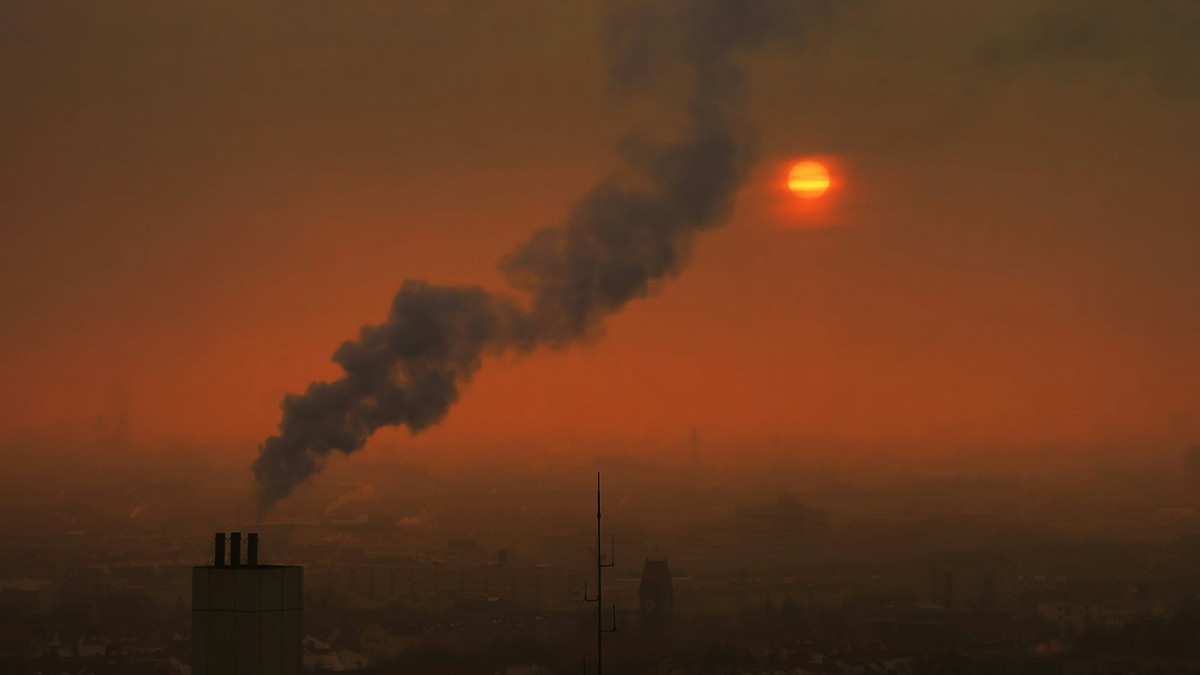
The United Nations says that it is now an inevitability that the world will fail to meet the legally binding goals set forth by the Paris climate accord as a result of “decades of insufficient climate action”. The Paris Agreement, ratified in 2015, targeted limiting global warming to 1.5 degrees Celsius above pre-industrial averages, with a fallback target of 2?, with the understanding that this looser allowance would lead to far more devastating consequences for global ecosystems, human health, the economy, and future generations. As it stands today, not only are we on track to blow past 2 degrees, but will likely reach 2.6? and 2.8? by the end of the century.
A new bombshell report from the United Nations Environmental Program (UNEP) is a call to action, finding that while the 1.5? target is no longer in reach, there is still plenty that global leaders can do to avoid the worst impacts of climate change. The annual report, optimistically titled The Point of Return, finds that there is “ample opportunity to accelerate action”, and concludes that “countries can still limit peak warming, shorten the duration of overshoot and keep the goals of the Paris Agreement within reach”.
This report is coming out against the backdrop of the fastest buildout of clean energy resources in human history. Catalyzed by back-to-back oil and gas affordability crises stemming from the wars in Ukraine and Iran, the global clean energy transition is going gangbusters as we speak. Renewable energy sources now have a larger share of the global energy mix than coal, and one in four new cars sold last year was an electric vehicle, avoiding the consumption of 1.2 million barrels of oil a day.
The problem is that while this is all great news for climate change mitigation, it may very well be too little, too late. “The scale and speed of the transition has been far too slow to arrest global warming as climate pollution continues to build up in the atmosphere,” Politico wrote this week in a report entitled “Clean Energy Isn’t Fixing Climate Change”. The report goes on to highlight that, based on figures from the UNEP report, “emissions from fossil fuel use increased last year and methane remained stagnant, despite commitments by countries and companies to quickly curb the potent pollutant.”
Plus all the clean energy we can add may not be enough without also improving energy efficiency and creating tighter regulations for consumption. While clean energy production capacity is expanding rapidly, so too is energy demand, driven by the artificial intelligence boom in the Global North and economic and human development in the Global South.
What is more, the proliferation of clean energy as an energy security strategy has become a double-edged sword. Renewables are growing faster than ever before, even in the poorest parts of the world, because countries see them as the cheapest and most secure pathway to energy independence in an era of extreme geopolitical turmoil and out-of-control fossilflation. In short, clean energy development is no longer about climate; it’s about security.
“Wind and solar cannot be embargoed, blockaded, or shut off by a foreign power,” David Frykman, General Partner at Stockholm-based venture capital group Norrsken, wrote in an op-ed for Fortune earlier this year. “Every terawatt-hour of domestic renewable generation is a terawatt-hour that no adversary can weaponize.”
While this is great for the growth of the global renewable energy sector, it means that clean energy goals have become completely divested from climate goals – and that could be a major issue for the Paris Agreement targets, which will require enormous global effort and investment for the future and the greater good, not the here and now and the bottom line.
“For years, clean energy has been sold as a moral imperative. Now it is simply an economic and geopolitical necessity,” Forbes reported earlier this year. “It’s not about emissions. It’s about resilience and price stability.” But in order to seize the point of return, it needs to be about both.
By Haley Zaremba for Oilprice.com


