Best Day Trading Platform in 2026: Top Choices for Active Traders
Picking the best day trading platform is rarely as simple as finding the tightest spread or the most recognizable name. Day traders operate under different pressures than long-term investors — fast decisions, volatile conditions, frequent order placement — and the platform underneath all of that needs to keep up without getting in the way.
What that actually looks like varies by trader. For some, it means reliable forex and indices access. For others, it means commodities trading, crypto CFDs, or solid algorithmic trading infrastructure. The point is that the right platform is the one that fits how you actually trade — not just the one that ranks well in a generic list.
Below is a practical breakdown of what matters when comparing day trading platforms, followed by several options worth considering in 2026.
What Makes a Good Day Trading Platform?
Speed and control. Those two things cover most of what active traders need, and a clean interface alone doesn’t deliver either of them.
Execution quality is where it starts. Small delays that wouldn’t bother a position trader can meaningfully affect scalping, news trading, or short-term momentum setups. Charting tools matter too — especially if your process involves technical indicators, multiple timeframes, or working off support and resistance levels throughout the session.
Market access is another factor that gets underestimated. Many day traders don’t stick to one asset class. They rotate between forex, indices trading, gold, commodities, and crypto depending on where volatility is. A platform that handles several markets without forcing you to switch environments makes that easier.
Account flexibility is worth checking as well. Spread-based or commission-based pricing structures suit different strategies. Some traders need an Islamic account. Others are looking for PAMM accounts, MAM accounts, or copy trading infrastructure. These details matter more once you’re actually in the market.
And for anyone earlier in the process — don’t skip the demo phase. A demo account or forex demo account won’t replicate the psychological weight of live trading, but it will tell you whether the platform’s charting, execution, and order workflow actually make sense before you open a live forex account or brokerage account.
Best Day Trading Platforms in 2026
1. XBTFX
XBTFX is worth putting at the top of this list for traders who want access to multiple platforms and markets without juggling separate accounts. It covers forex, indices, commodities, metals, and crypto CFDs — which suits traders who shift between asset classes based on where conditions are most favorable.
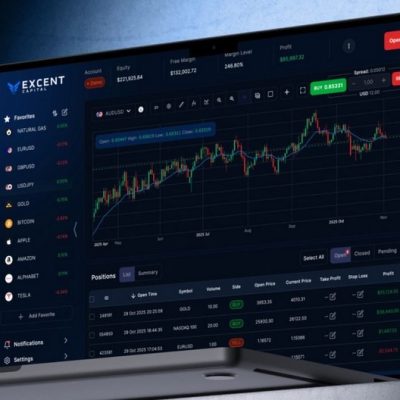
The platform range is one of its clearest strengths. XBTFX offers the MetaTrader 5 trading platform, the cTrader platform, and xPRO. MT5 will feel familiar to traders who already rely on it for indicators and automated strategies. cTrader tends to appeal to active traders who want a cleaner, execution-focused environment. xPRO adds a more modern charting option for traders who prefer that style.
Account types cover a wide range too — Standard, ECN/Raw, Islamic, PAMM, and MAM structures are all available. That makes XBTFX relevant across different trader profiles, from someone testing a demo trading setup for the first time to a more experienced trader running scalping strategies or managing multiple accounts.
Best for: traders who want multi-asset access, platform choice across MT5, cTrader and xPRO, and flexible account structures.
2. IC Markets
IC Markets has built a strong reputation among active forex traders, particularly those who care about tight pricing, fast execution, and automated strategy support. It runs MT4, MT5, and cTrader, which covers traders using expert advisors, cBots, or other algorithmic trading tools.
It’s a name that often comes up in conversations about the best forex broker for scalping, and for good reason — scalping strategies tend to live or die on execution conditions and trading costs, and IC Markets holds up well on both. It’s less beginner-friendly than some alternatives, but for traders who already know what they’re doing, it delivers.
Best for: scalpers, algorithmic traders, and forex-focused traders who prioritize execution conditions above everything else.
3. Pepperstone
Pepperstone’s main selling point is flexibility. It runs MT4, MT5, cTrader, and TradingView integration, giving traders genuine options for how they build their workflow rather than locking them into one environment.
Market access covers forex, indices, commodities, shares, and crypto CFDs. That range makes it a reasonable candidate whether someone is comparing the best forex trading platform, the best crypto trading platform, or a broader CFD broker setup. The platform choice is genuinely useful here — different traders have very different preferences, and Pepperstone accommodates most of them.
Best for: traders who want real platform flexibility and broad CFD market access.
4. AvaTrade
AvaTrade sits at the more beginner-oriented end of this list. The interface is clean, the educational resources are solid, and the copy trading tools give newer traders a way to observe how others approach the market — which can be genuinely useful, provided those traders understand the risks involved rather than just following blindly.
It’s not the obvious pick for high-frequency or technically demanding day trading, but for someone looking for the best trading app for beginners or the best forex trading platform for beginners, it offers a more manageable starting point than some of the more execution-focused options above.
Best for: beginners, education-focused traders, and those exploring copy trading.
5. CMC Markets
CMC Markets is best known for its proprietary platform, depth of research tools, and wide CFD market access. It tends to appeal to traders focused on indices trading, commodities trading, and market analysis rather than pure execution speed.
It’s not the default choice for forex scalpers chasing the tightest conditions, but for traders who value strong charting, integrated research, and access to a broad range of global markets, it holds its own.
Best for: traders focused on indices, commodities, research tools, and proprietary platform features.
How to Choose the Right Platform for Day Trading
There’s no single best platform for day trading that works equally well for everyone. Strategy, experience, preferred markets, and risk tolerance all point in different directions.
A forex scalper will care most about execution speed, tight spreads, and whether the platform runs MT5 or cTrader properly. A beginner needs education, a straightforward interface, and reliable demo access. A crypto trader wants strong charting, fast execution, and a practical crypto trading platform. Someone building automated systems needs API support or proper expert advisor infrastructure.
Before committing to any live account, it’s worth checking which markets are available, whether the platform genuinely supports your strategy, what the full cost breakdown looks like across spreads, commissions, and swaps, what account types are on offer, how execution and platform stability hold up under real conditions, and whether demo access is available to test all of the above first.
A trusted forex broker makes this information straightforward to find. If the trading conditions and legal disclosures aren’t easy to locate, that’s worth noting before depositing anything.
Common Mistakes When Choosing a Day Trading Platform
The most frequent one is making the decision based on advertised spreads alone. Trading cost matters, but execution quality, slippage, platform reliability, and order management carry just as much weight in practice — sometimes more.
Choosing a platform that doesn’t fit the trading style is another common issue. A beginner, a scalper, a swing trader, and an algorithmic trader have genuinely different needs, and a platform built for one may actively work against another.
Skipping the demo phase is a mistake more experienced traders make than beginners. Even if you’ve traded before, testing a new platform’s layout, order types, and charting workflow in a demo trading environment before going live is just good process.
Finally, relying entirely on rankings to make the call tends to backfire. Reviews provide useful context, but the right decision comes from matching specific platform features to how you actually intend to trade.
Final Thoughts
The best day trading platform in 2026 is the one that supports your actual strategy — not the one with the longest feature list. Active traders should be looking for reliable execution, practical charting tools, transparent pricing, flexible account structures, and market access that reflects where they actually want to trade.
XBTFX stands out as the strongest starting point for traders who want MT5, cTrader, xPRO, multi-asset access across crypto CFDs, forex, commodities, and indices, plus Islamic account options and full demo trading support — all in one environment. IC Markets, Pepperstone, AvaTrade, and CMC Markets are all worth consideration too, depending on experience level, preferred markets, and trading style.
For anyone actively comparing platforms, the most practical first step is testing before committing. Visit XBTFX.com to explore available markets, compare platform options, and try a demo account before moving into live trading.